Design to Tackle Urban Heat Islands
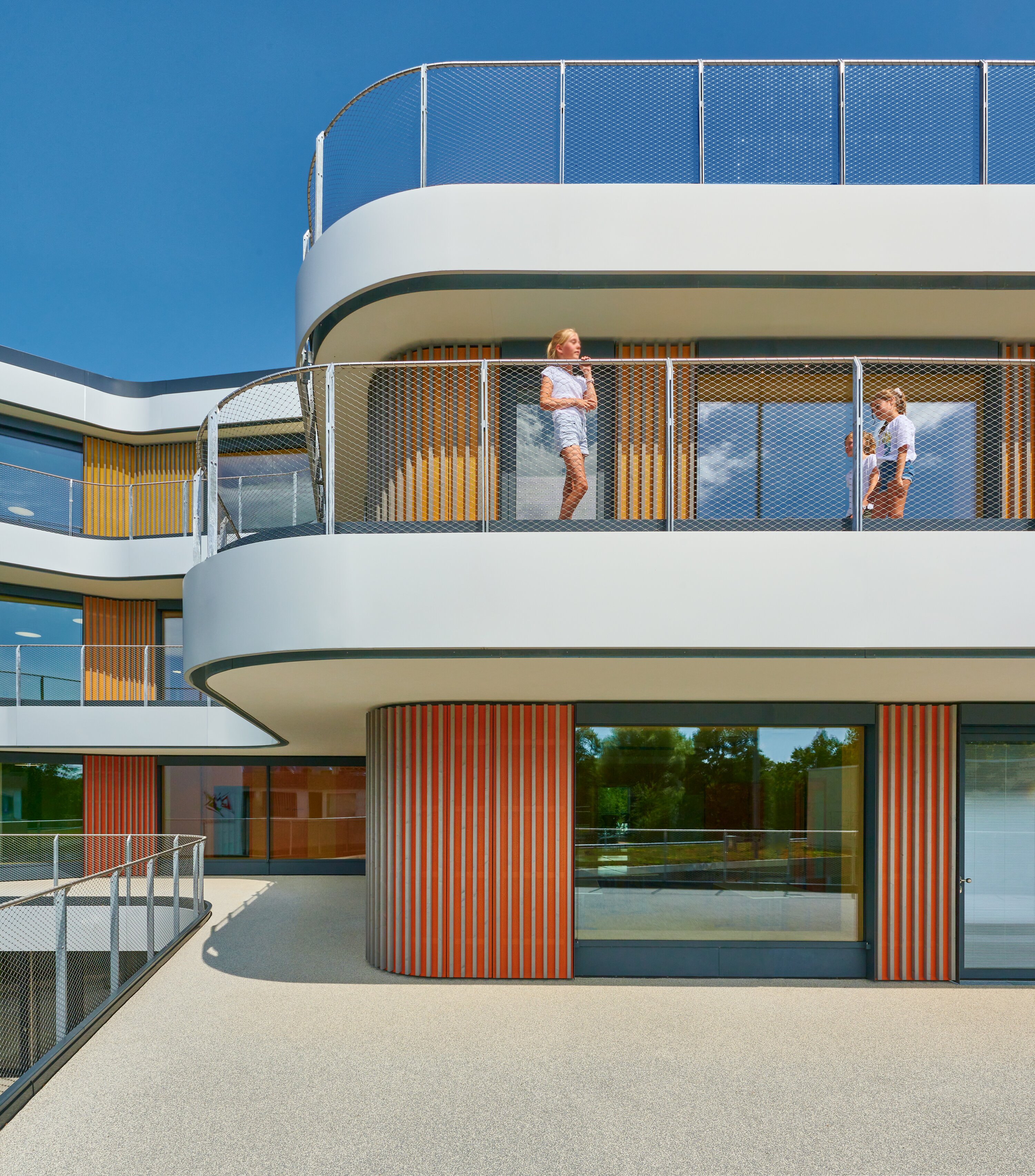
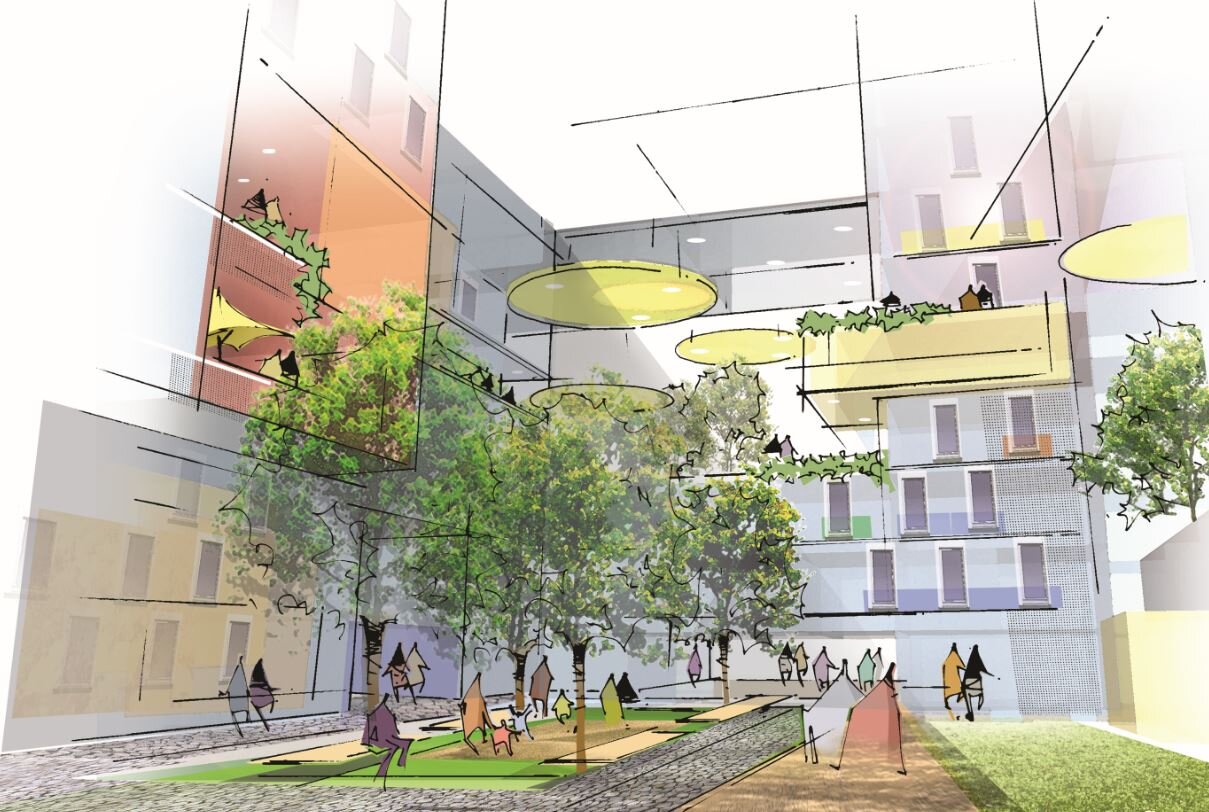
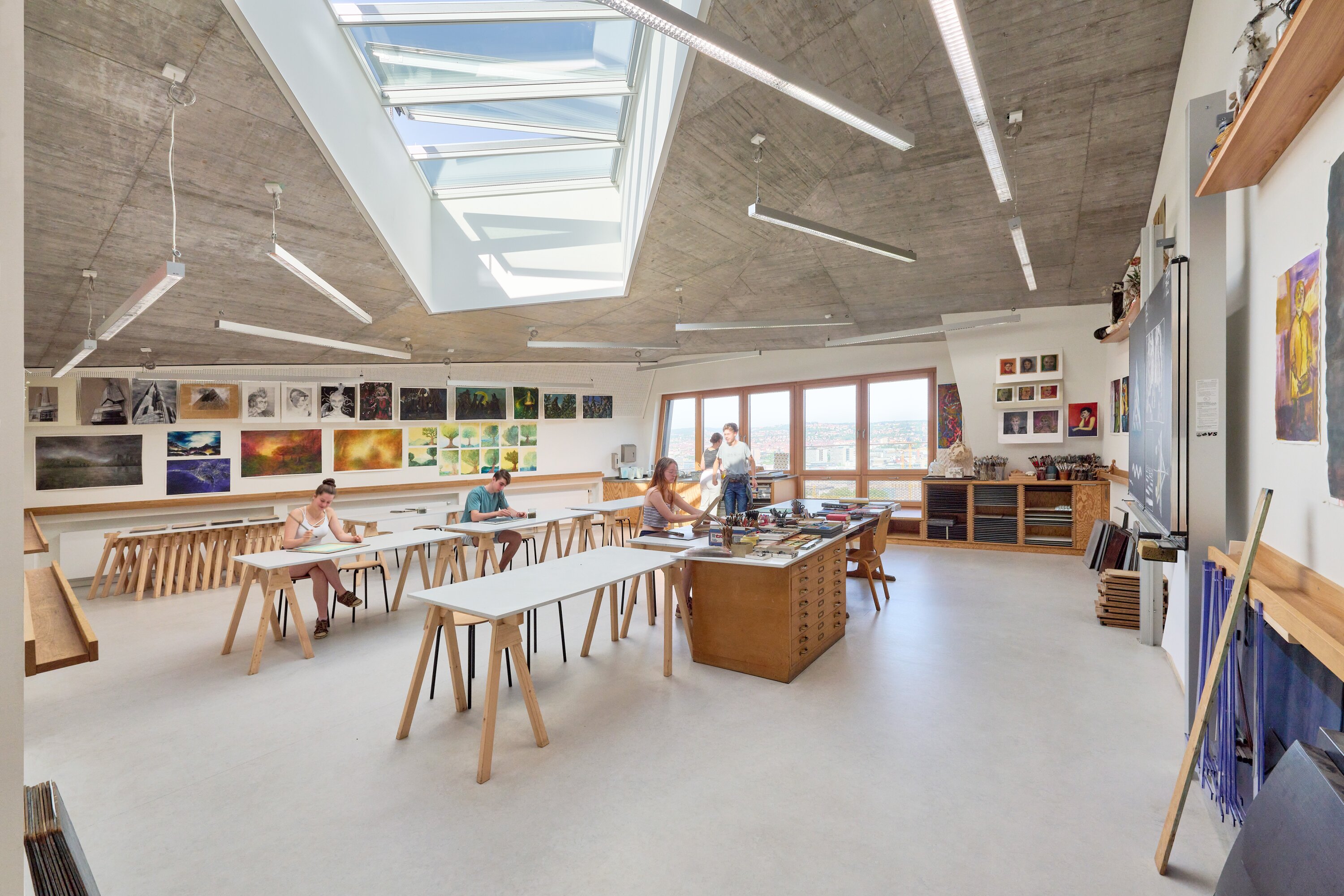
Gotthard-Müller-School Bernhausen
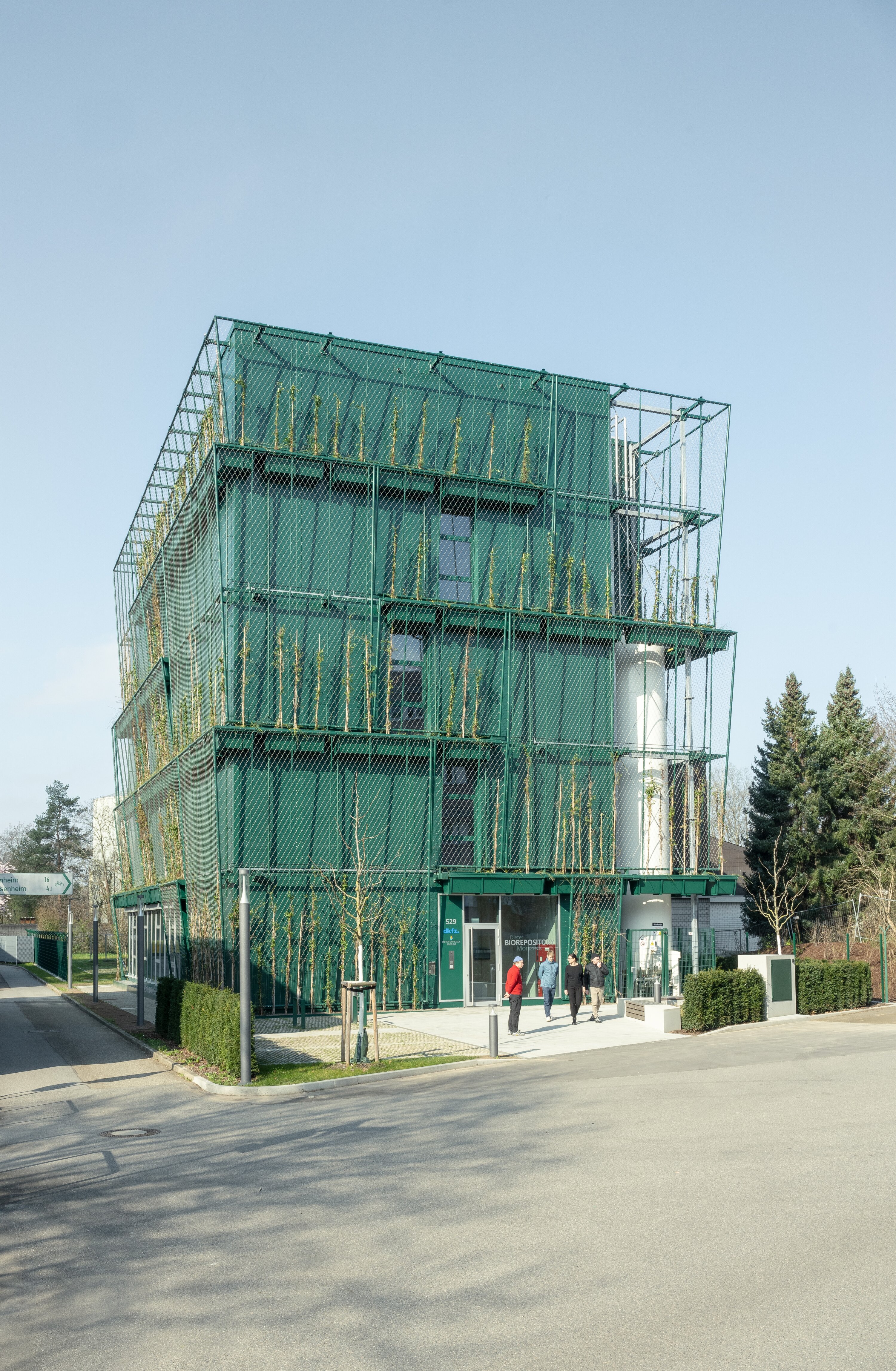
Dieter Morszeck Biorepository
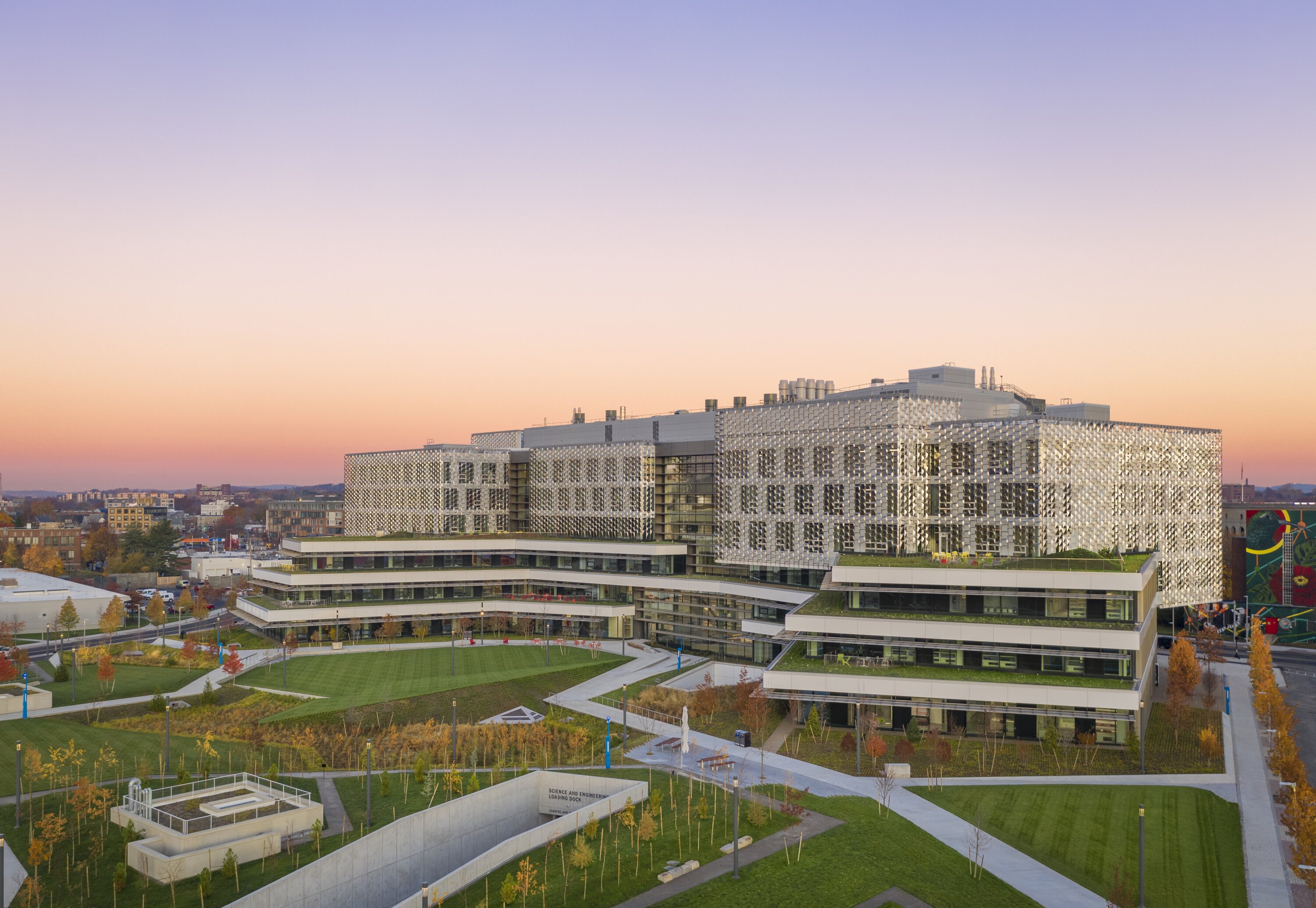
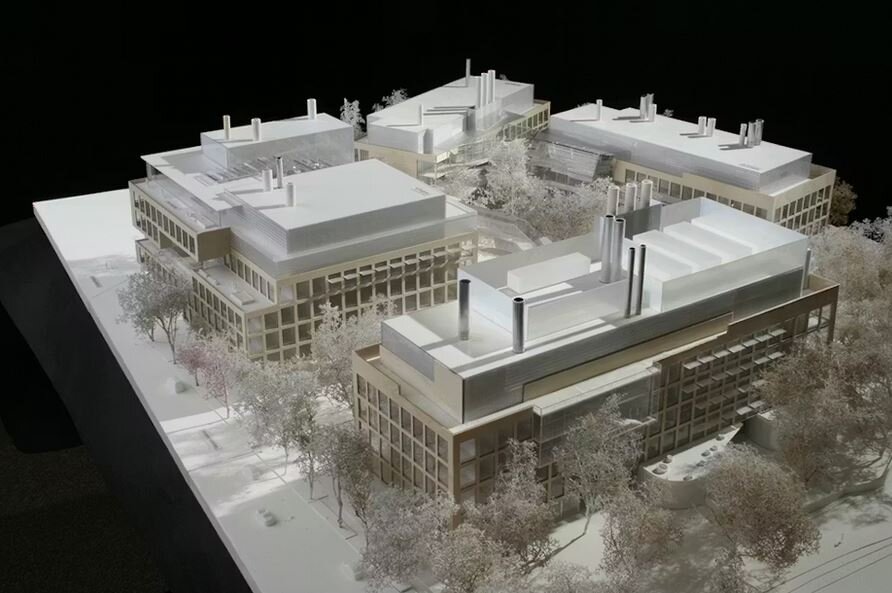
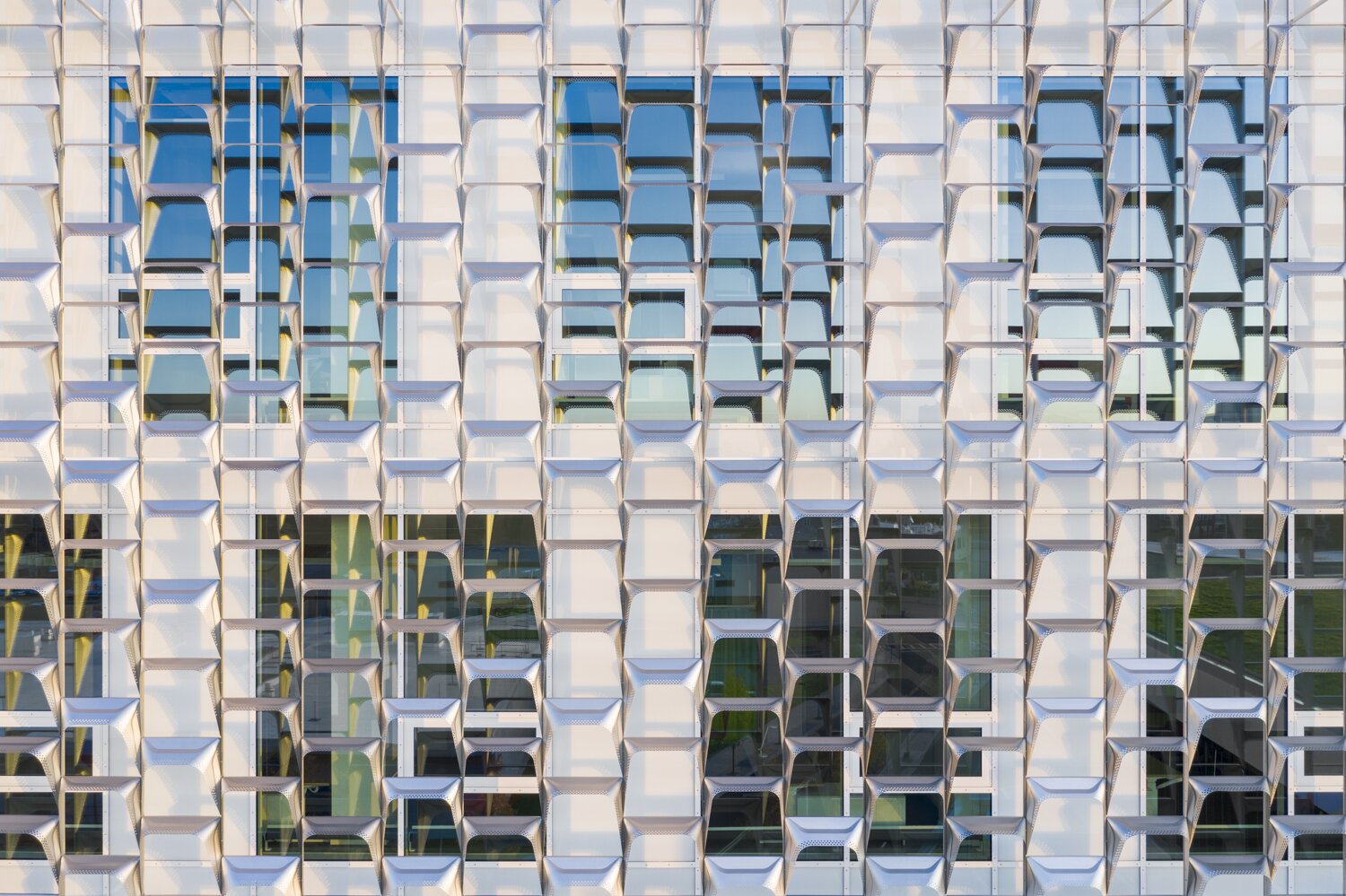
Harvard University Science and Engineering Complex (SEC)
Background
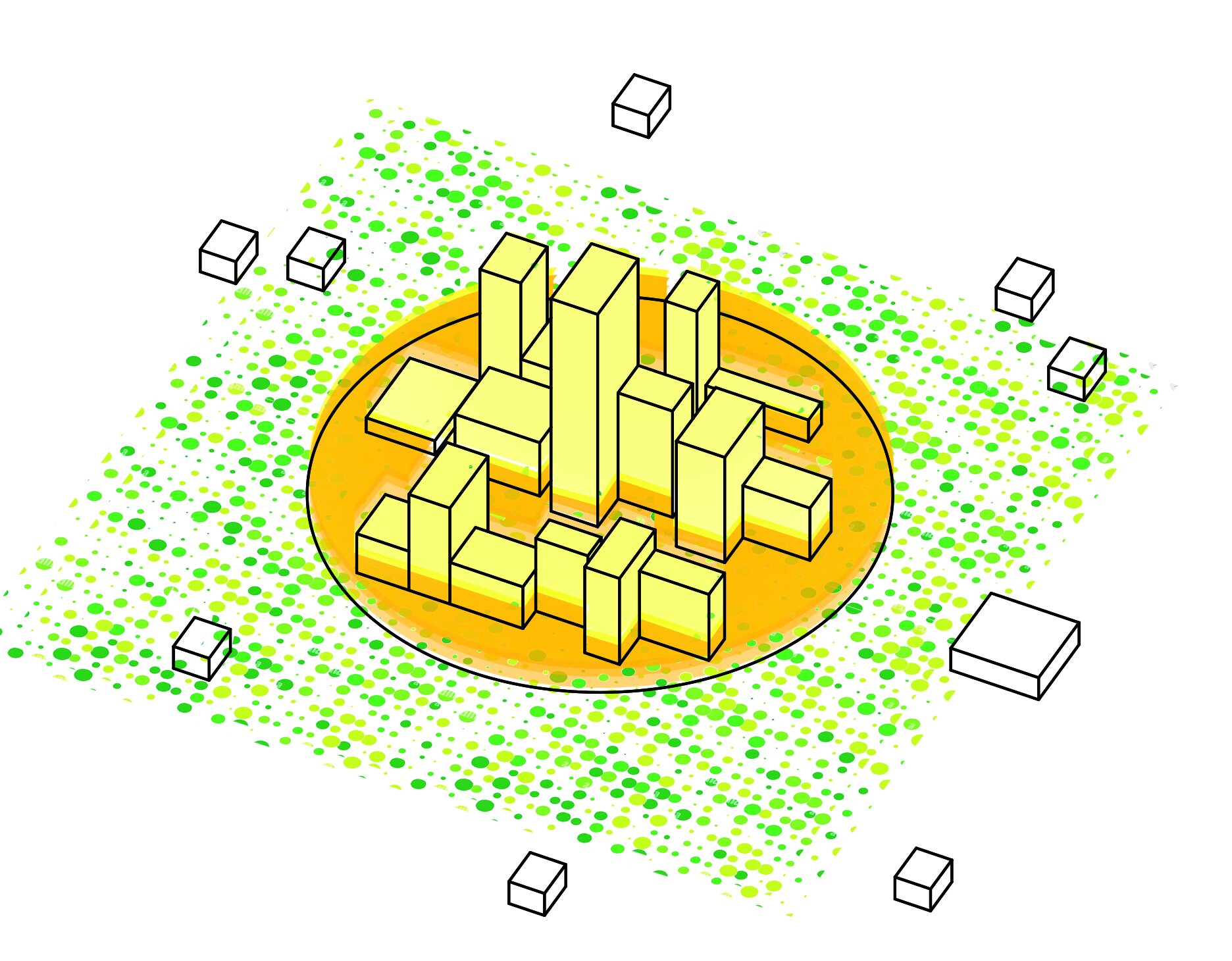
Caused by heat-trapping materials of the built environment and exacerbated by densification and increasingly hotter summers, the urban heat island effect is one of the most pressing issues of climate change that architects must tackle.
Task
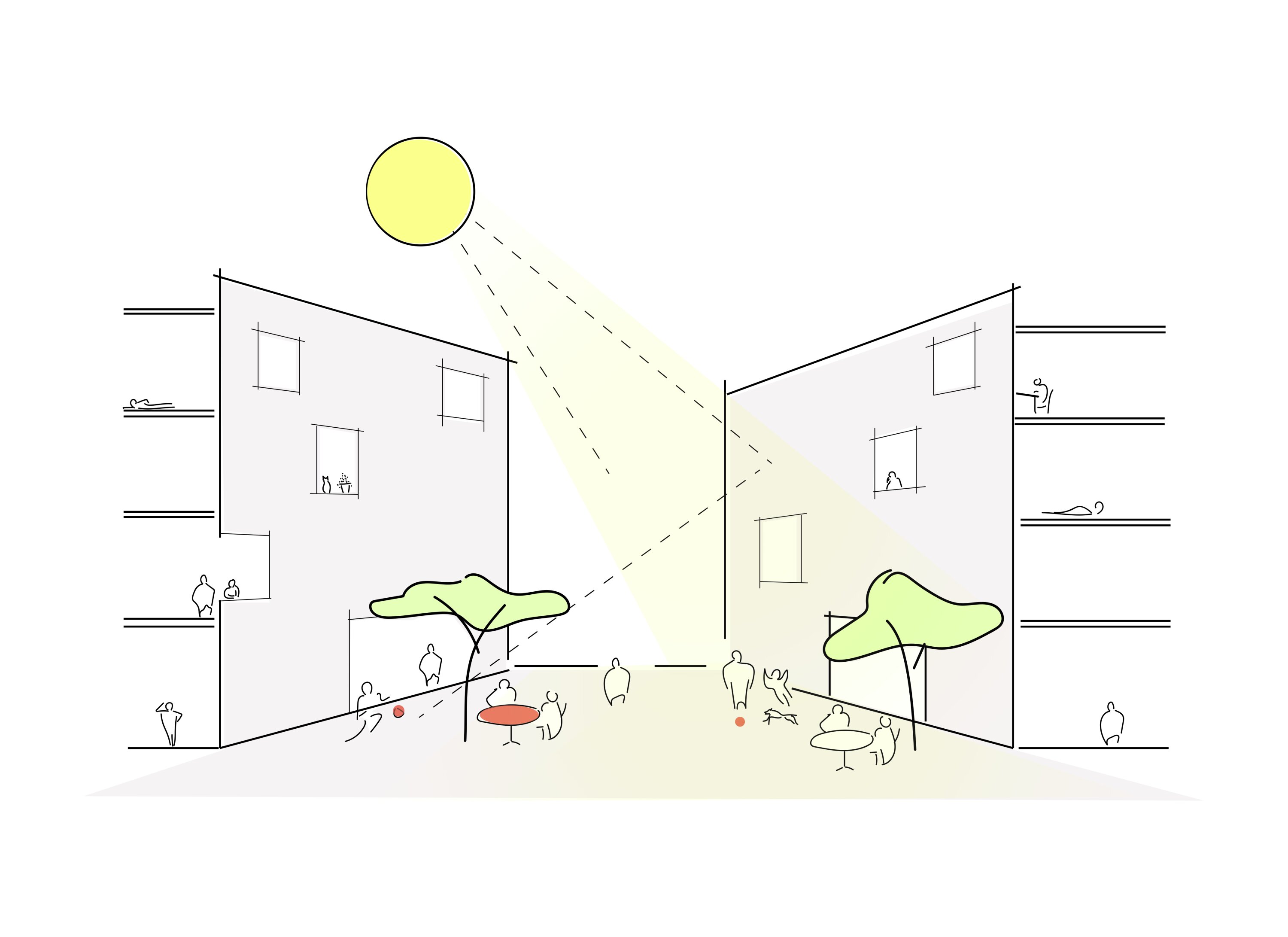
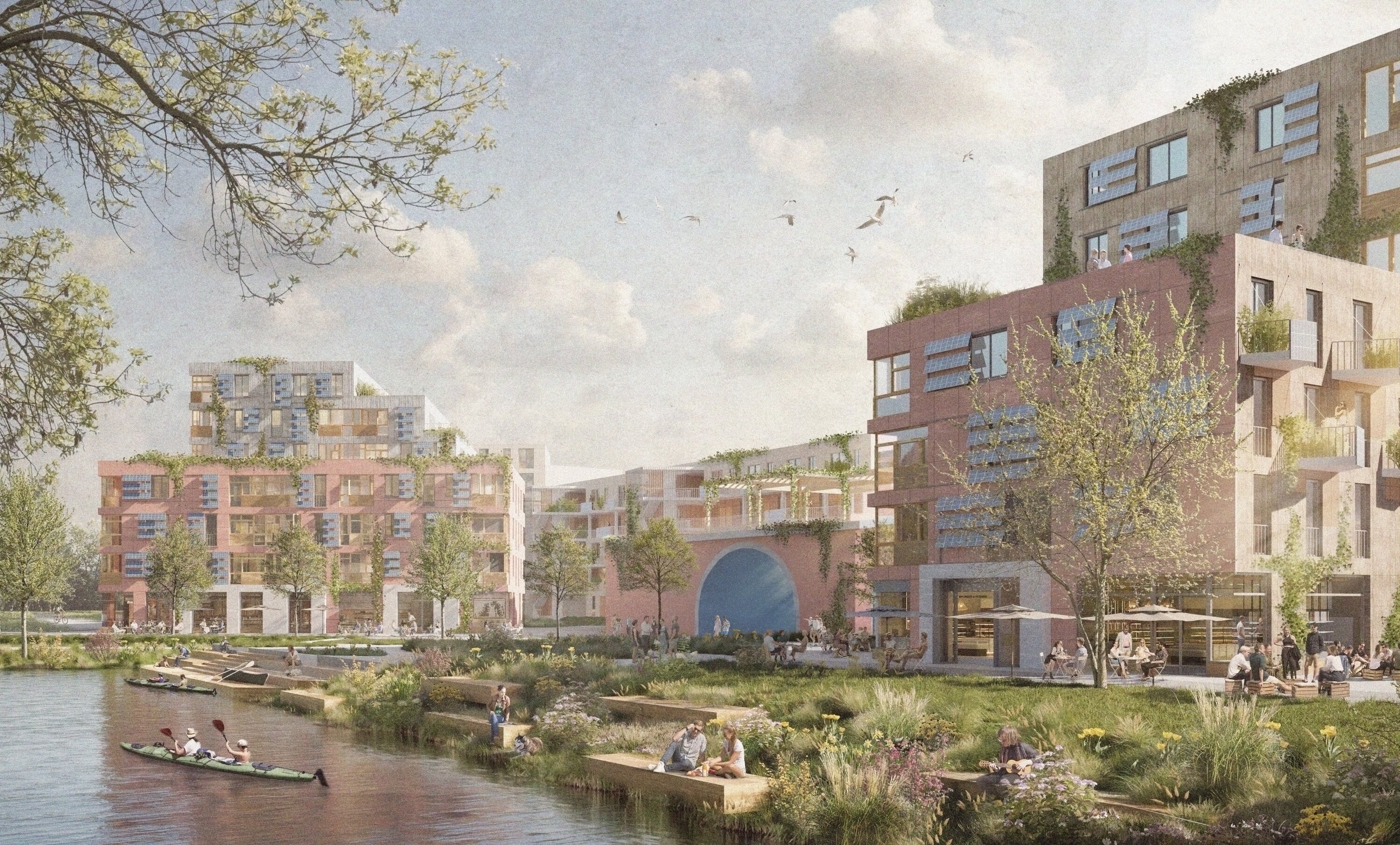
To tackle this urgent challenge, we must expand our duty to design not only buildings but the spaces between buildings. We must design buildings to nurture public space and improve their microclimates.
"Not just better buildings, but better spaces between buildings."
Strategy
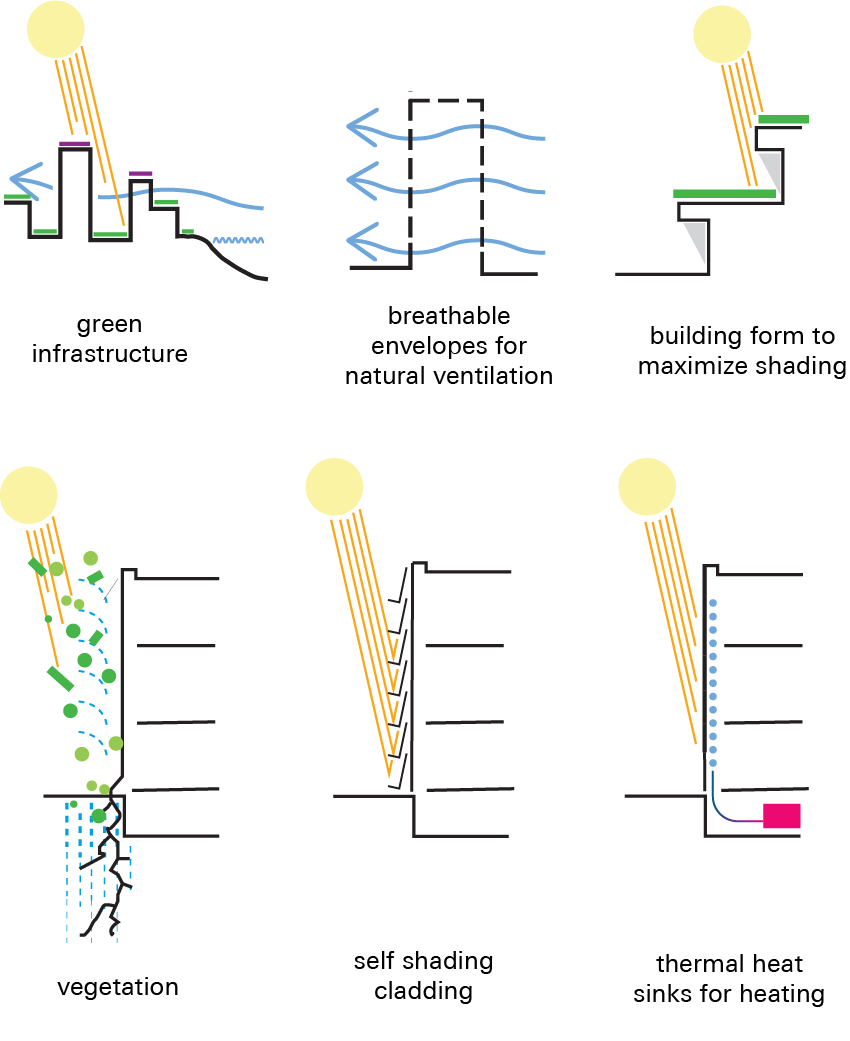
Designing the exterior spaces of buildings to work in tandem with the seasons, rainwater, and wind, is critical in mitigating urban heat islands.
We prioritize passive strategies which we believe are timeless, robust, and resilient and not only benefit the thermal comfort of the public realm, but also the buildings themselves.
Passive strategies include integration of vegetation for evaporative cooling and water absorption, and high albedo and porous cladding materials.
Integrated Approach to Rainwater Management
Integration of rainwater into the geometry of stepped roofs with landscape not only fortifies communities with storm-water management, but provides pleasant landscaped areas for users and lowers the urban heat island effect at the same time.
Cases
Recent projects which tackle the urban heat island effect.
Dieter Morszeck Biorepository
Heidelberg, Germany
2019-2023
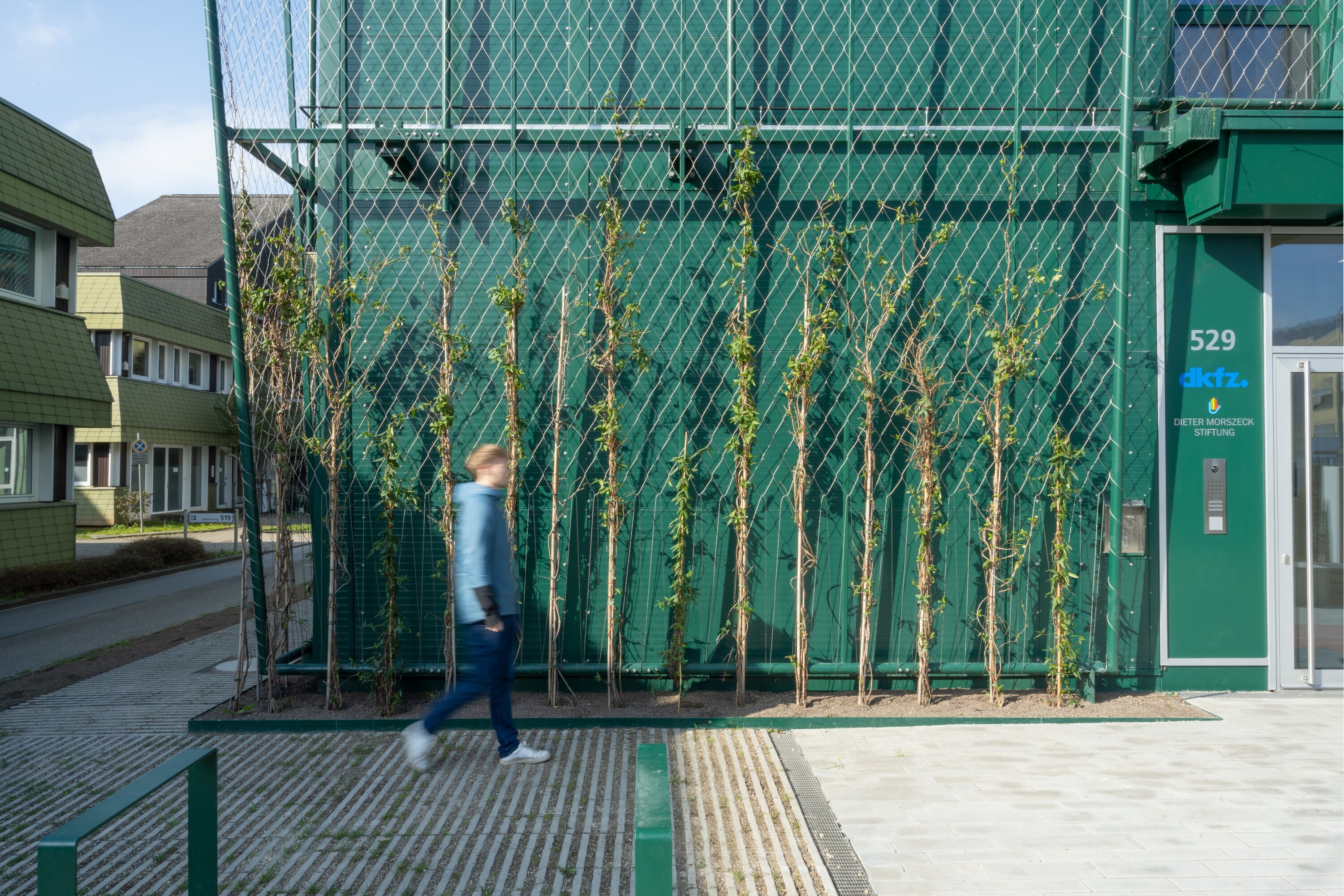
Plants are one of the most effective ways to temper excessive solar radiation by storing moisture from the soil in their cells and releasing it gradually through evaporative transpiration. For the Dieter Morszeck Biorepository Building in Heidelberg, one of the hottest cities in Germany.
Since the building is primarily used for storage of cryogenic material, we treated the blank facades as an extension of the park—giving a medical storage facility a bucolic character while using plants to mitigate urban heat.
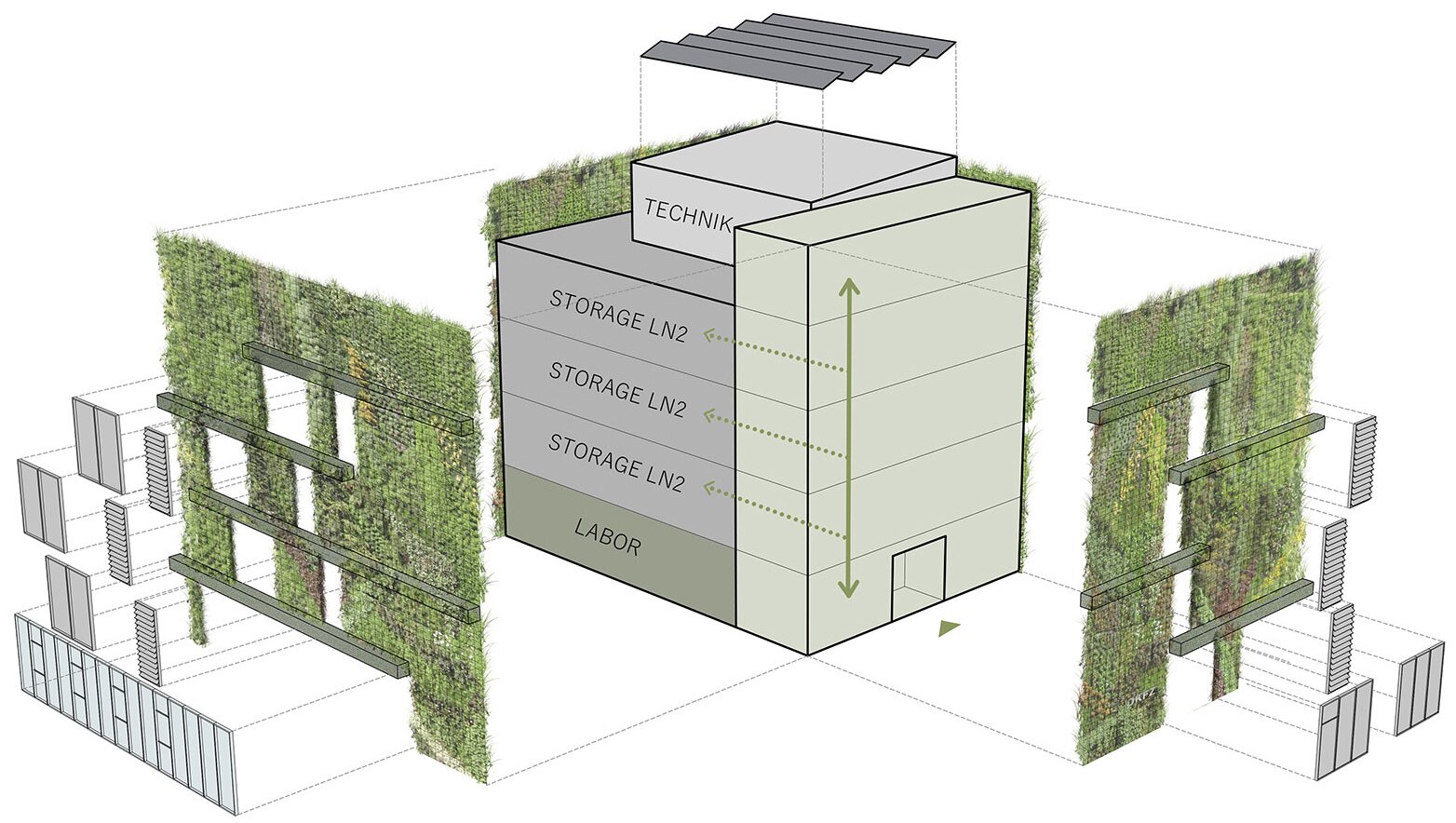
Exploded axonometric with green facade elements
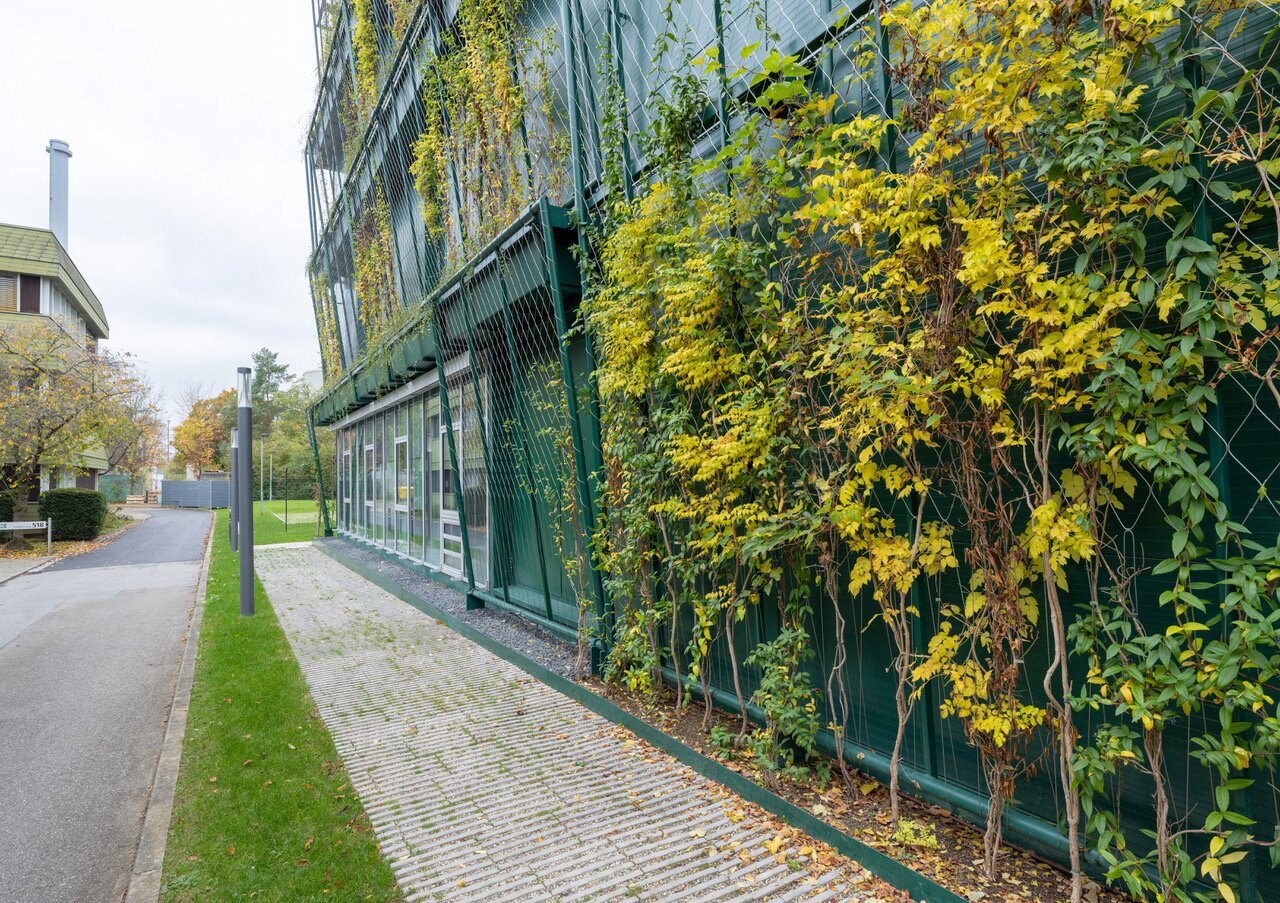
The façades feature a shelf-like structure supporting vertical greenery. Linear planters form a horizontal grid aligned with each floor slab, while full-height climbing supports made of industrial stainless steel mesh guide the growth of climbing plants.
Species were carefully selected for their suitability to the growing conditions on the various sides of the building. The facade harvests rainwater and stores it in the planters and in the plants, slowing storm water surge and retaining moisture which cools the surrounding environment. Semi-permeable paving is used to absorb rainwater into the soil which provides further cooling of the urban space.
ACAW
Boston, MA
2014-current
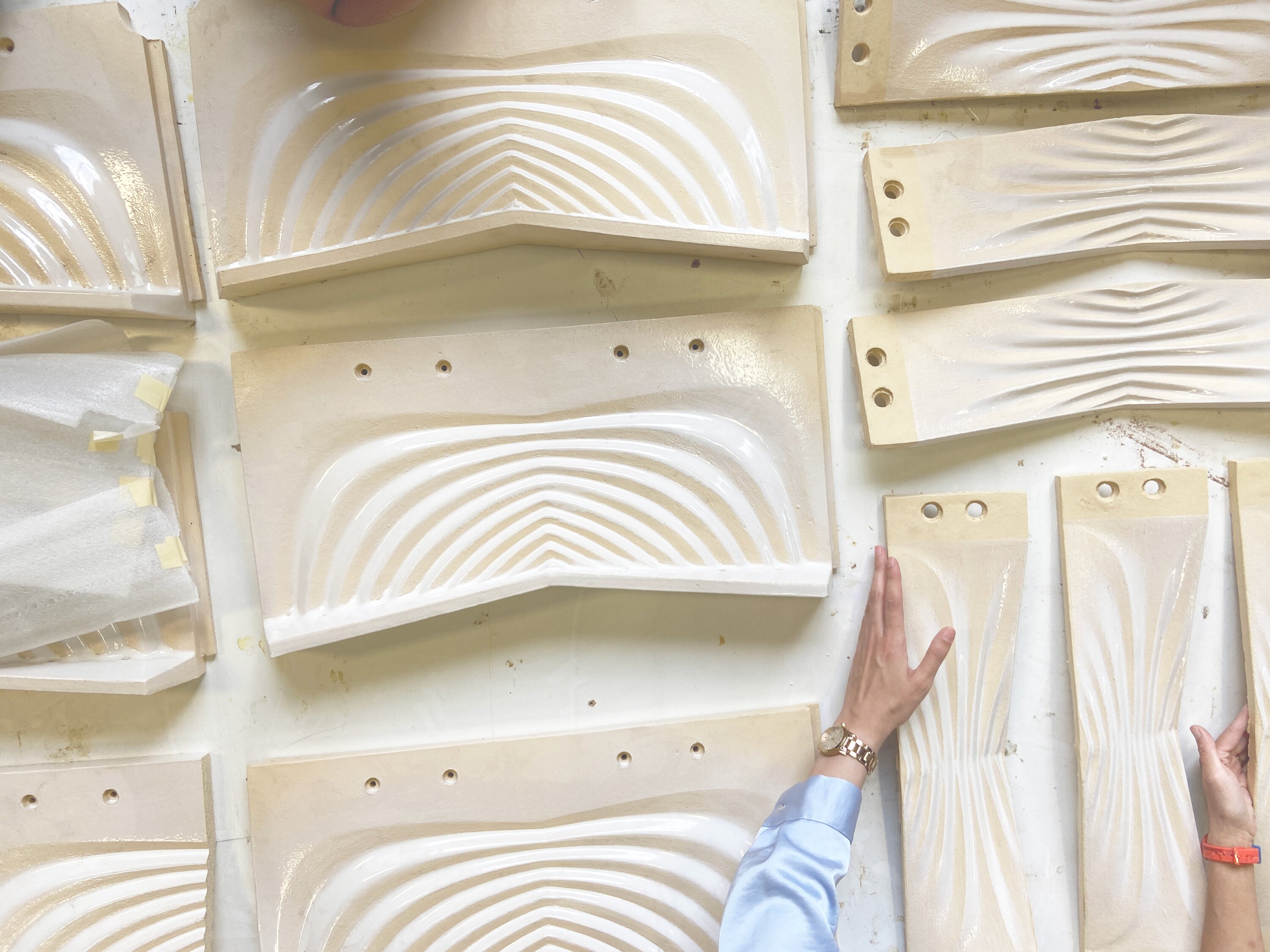
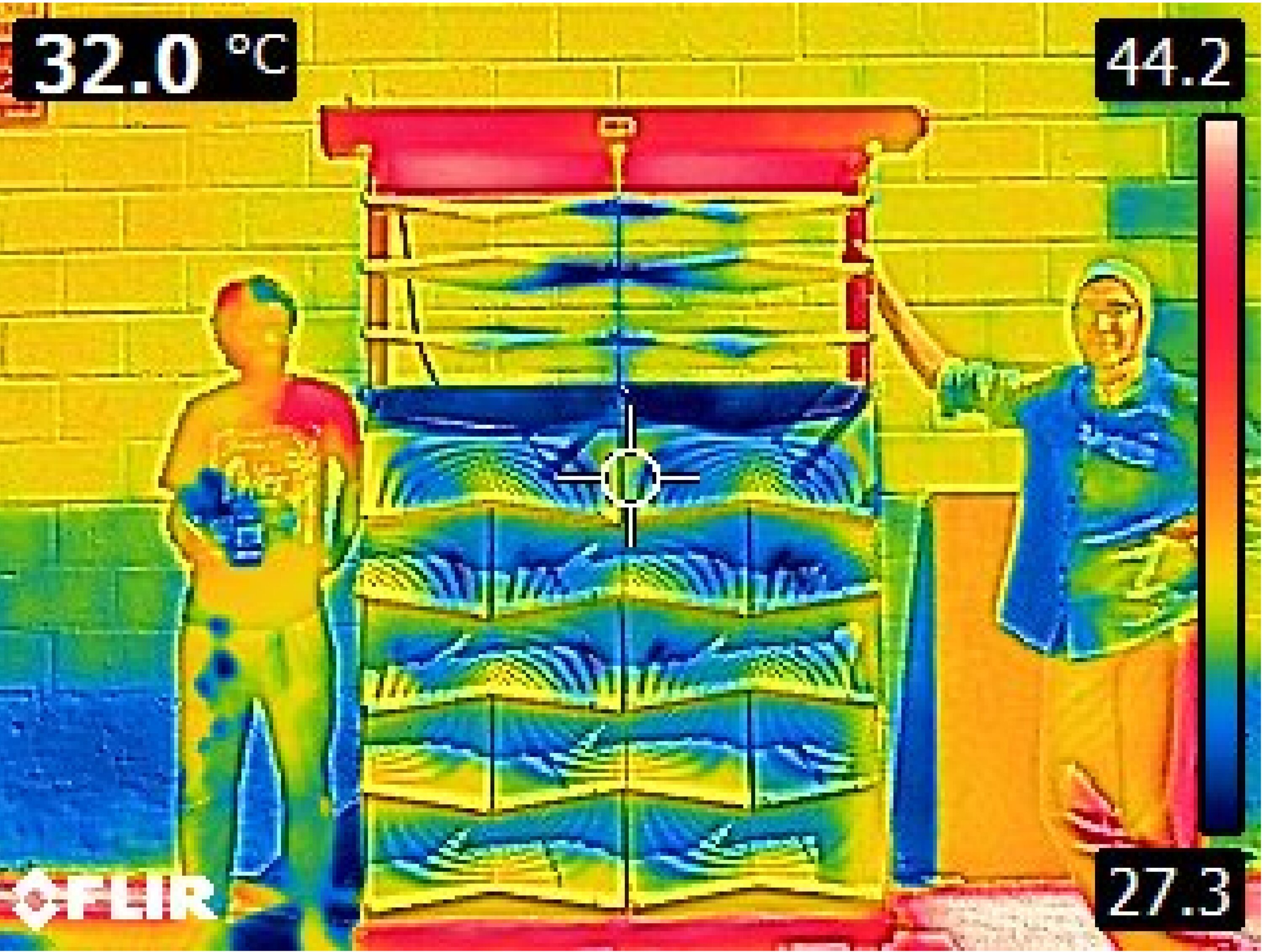
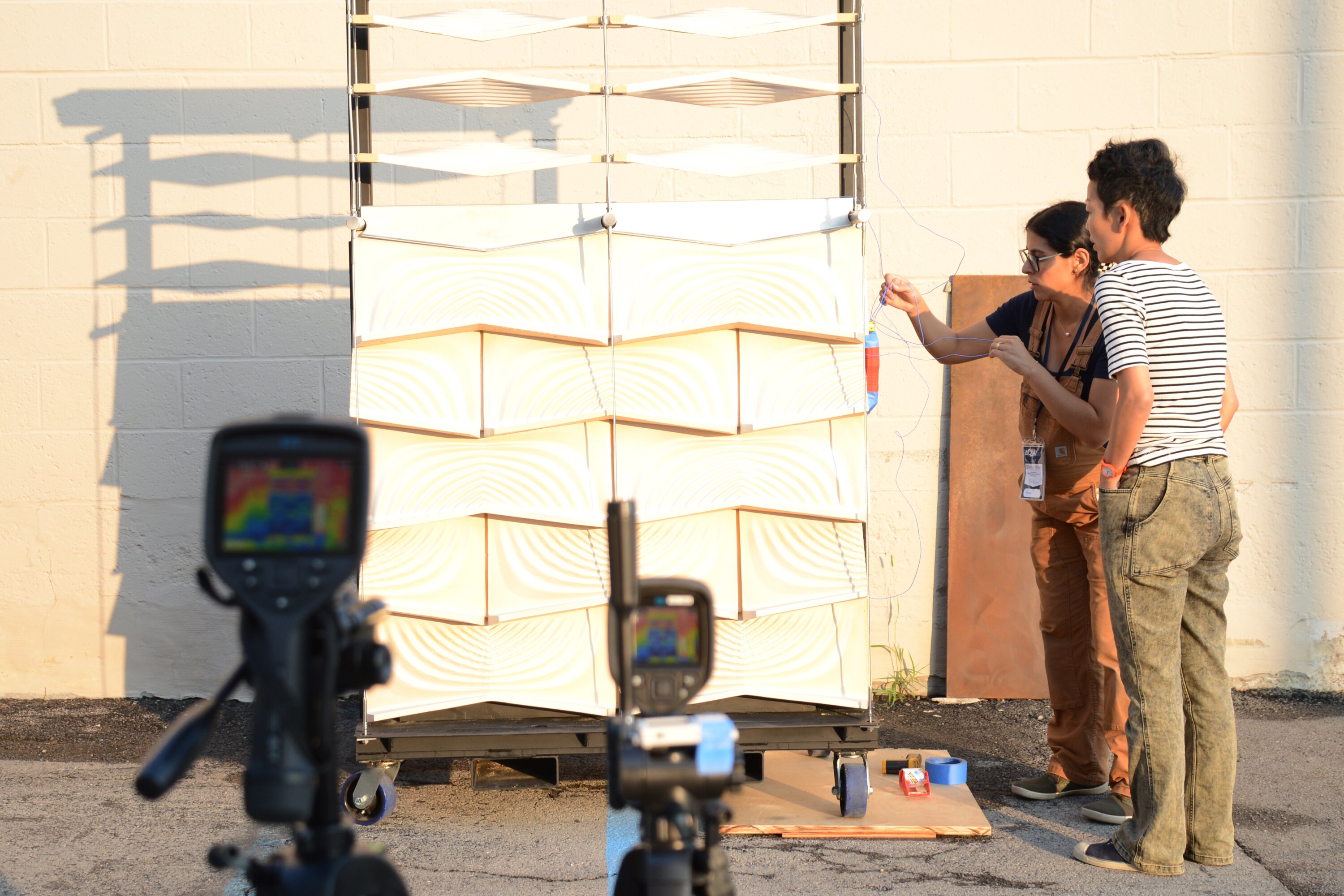
Working with architectural fabricators Boston Valley Terra Cotta, we are researching the potential of terra cotta cladding to improve human thermal comfort in the context of urban heat islands. By selecting a high albedo clay body, combined with strategically applied glazing to deflect solar radiation off of the building surface and back into the atmosphere, our testing showed that our cladding system reduced the SET of urban spaces by as much as 4 degrees Celsius compared with other standard cladding materials such as concrete-masonry units (CMU) and steel when combined with rainwater.
Glaze and clay body color were tested to study their impact on solar absorption.
Water flow analysis
With analog “Bounty Tests,” we study the relationship between geometric articulation of cladding layers, observing how water movement can be directed through geometry.
Incorporating small geometries into cladding materials encourages water to linger longer on vertical surfaces, allowing moisture to be absorbed into porous building materials for delayed evaporative cooling, while being resistant to freeze thaw for four seasons climates.
By using the surface temperatures measured at the full scale mockup in Buffalo NY (link to University of Buffalo Smart Lab), we worked with Transsolar to extrapolate that data on a real world urban space behind our office in Boston’s Chinatown using the human thermal comfort metric of SET.
Results show that the evaporative cooling tile reduced the SET by 5 degrees celsius compared with the hottest cladding material (metal panel).
Related
Harvard University's Allston Science Complex
Urban Development Riga Mezaparks
Unilever-House
How we understand the role of educational spaces beyond architecture
- daylightoptimization
- innovation
- lowenergy
- publicspace
- sustainability
- participation
- flexibility
- innovativematerials
How a circular design approach can make our buildings better for the environment and its inhabitants
- adaptivereuse
- innovation
- lowenergy
- pilotproject
- sustainability
- circulareconomy
- energyefficiency
- innovativematerials
How we developed energy-saving fixed shading systems
- daylightoptimization
- lowenergy
- energyefficiency
- wellbeing