How we understand the role of educational spaces beyond architecture
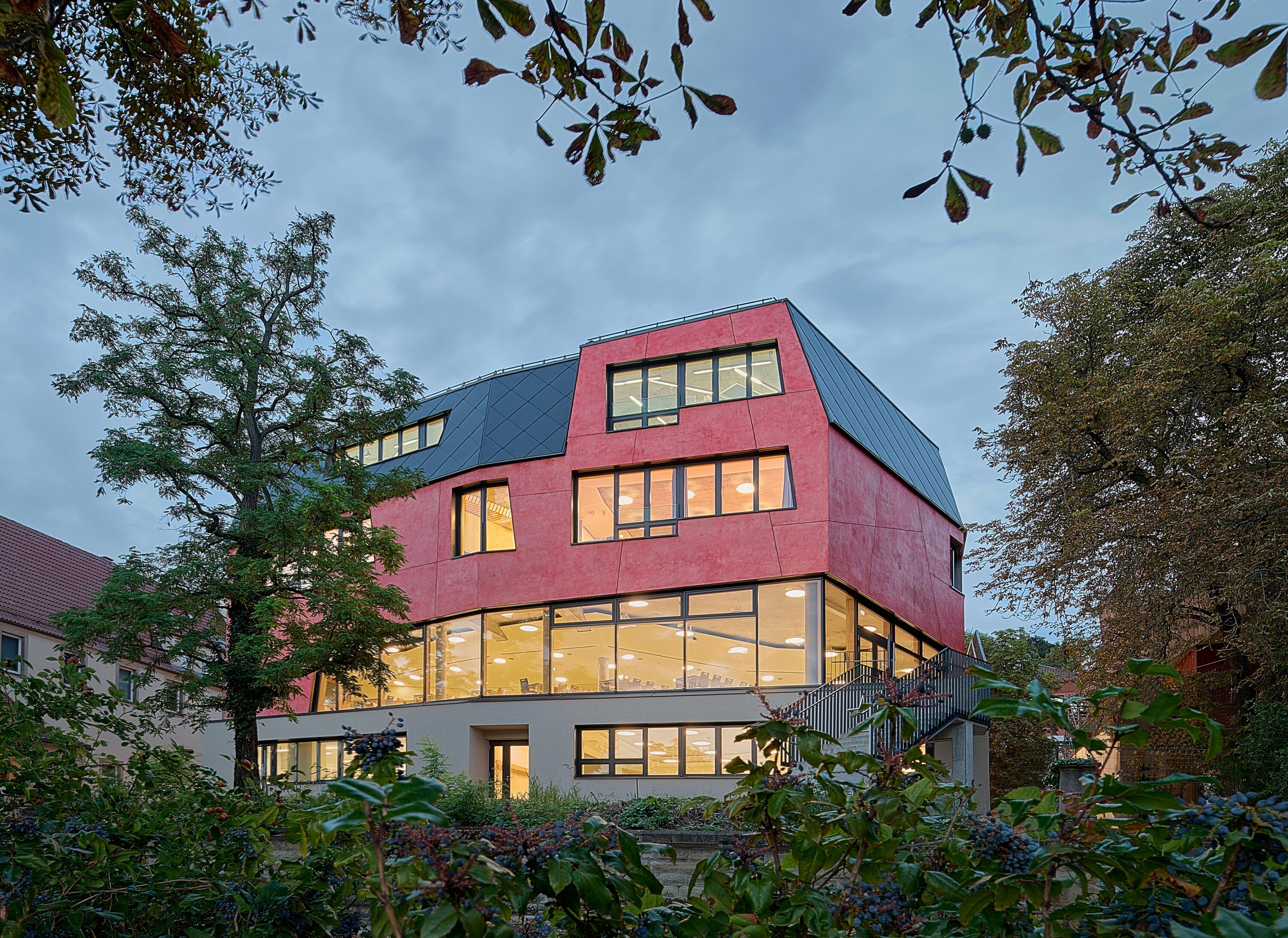
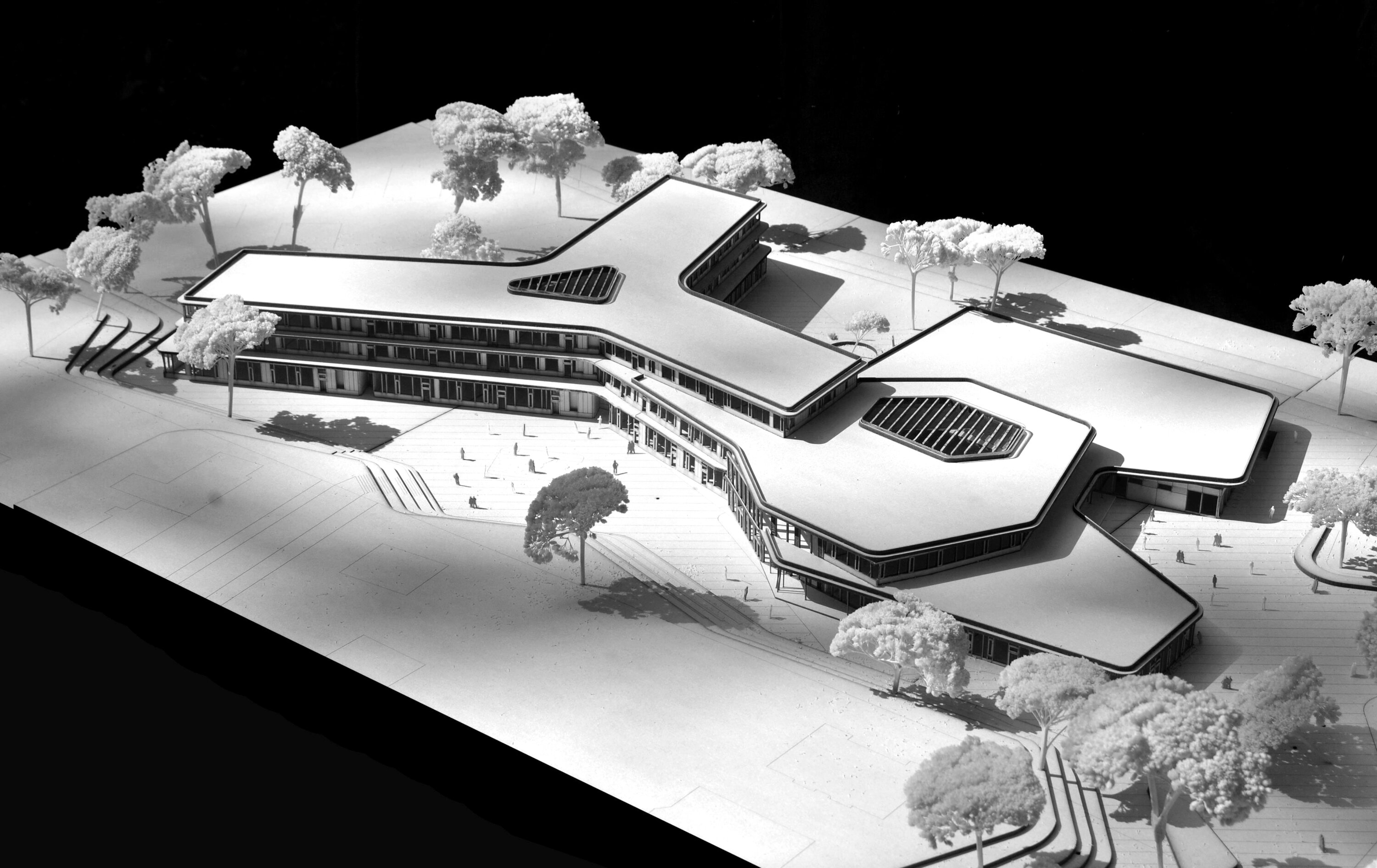
Freie Waldorfschule Uhlandshoehe - New School and Administration Building
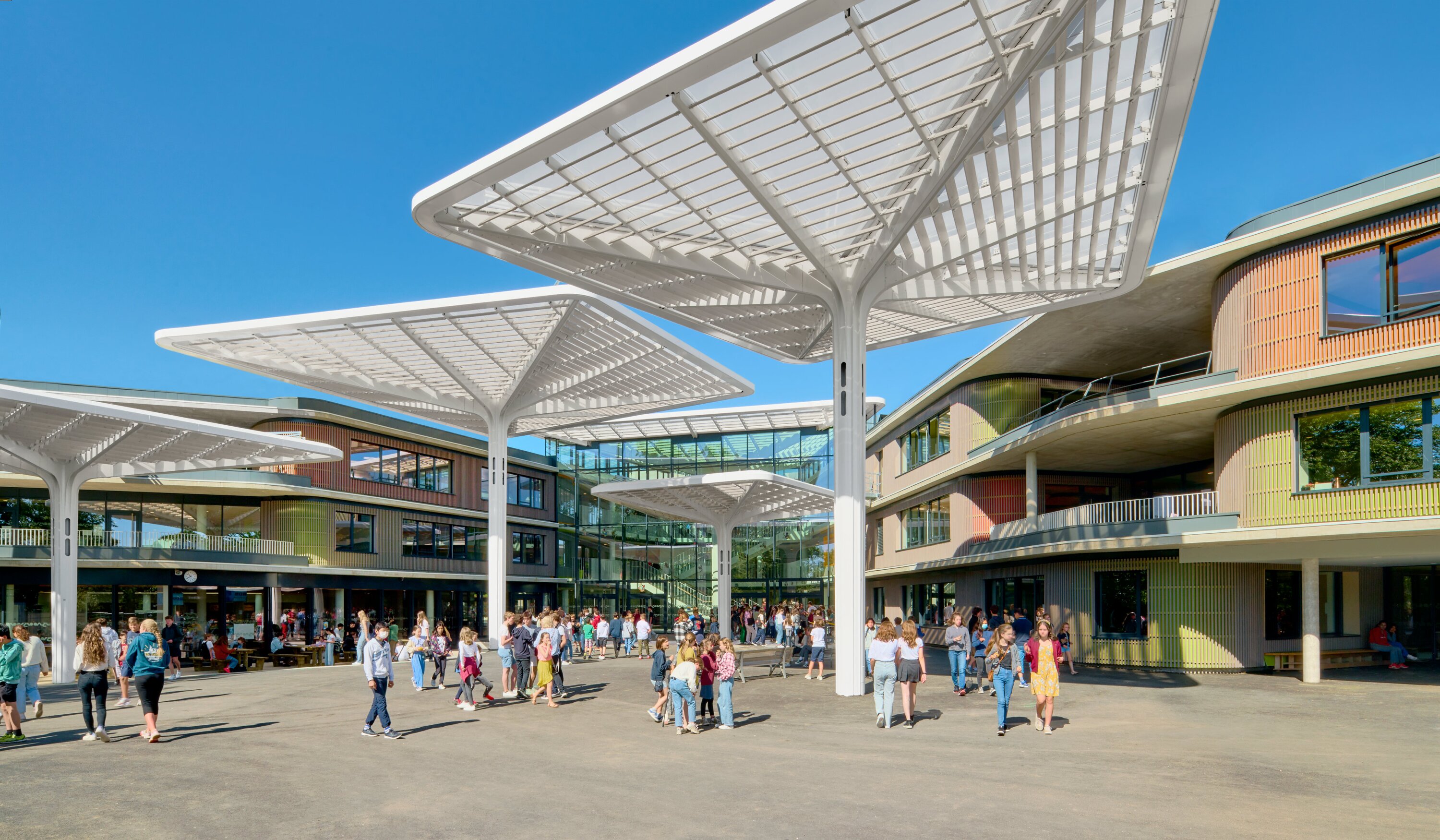
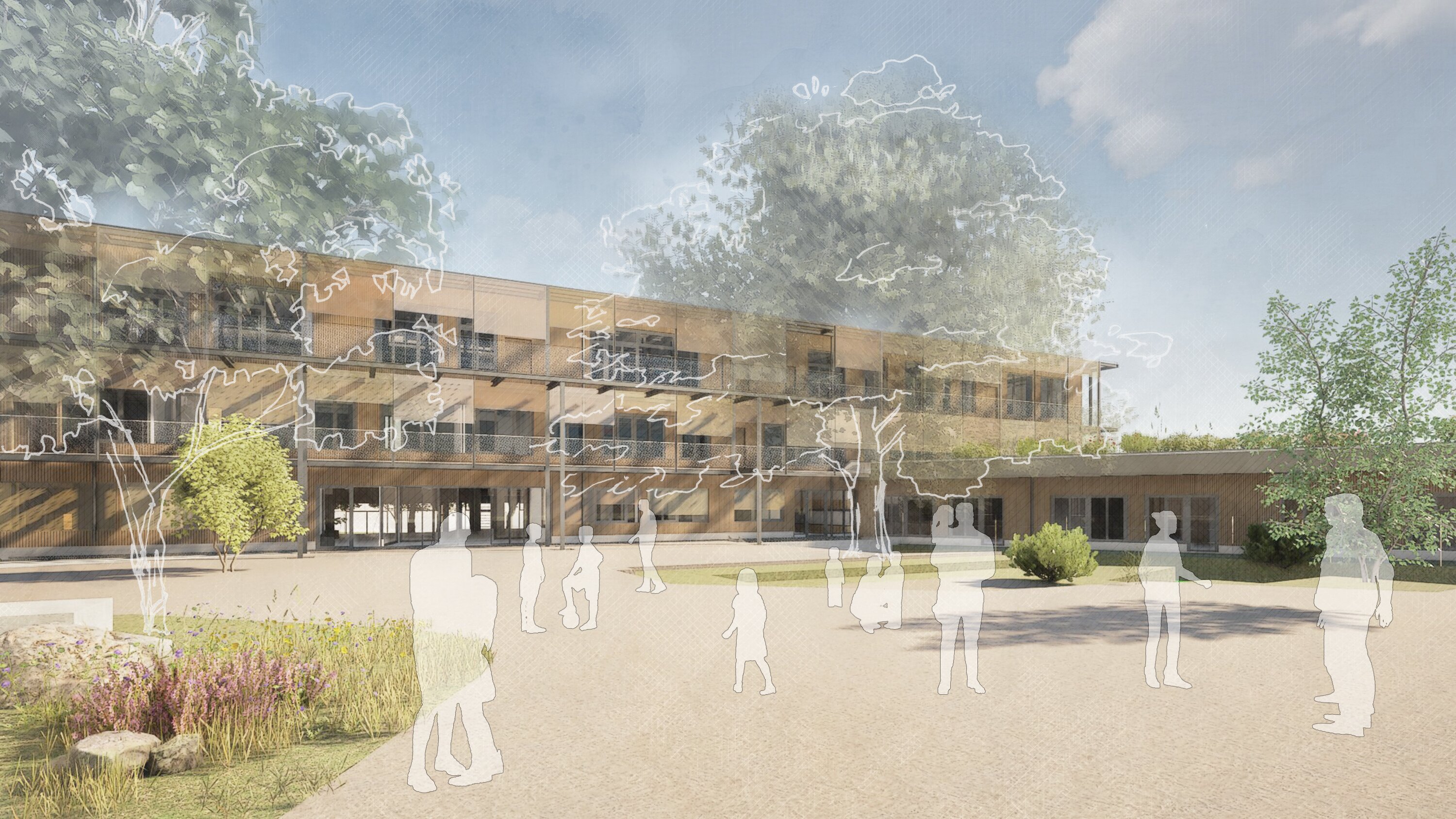
Lycee Franco Allemand
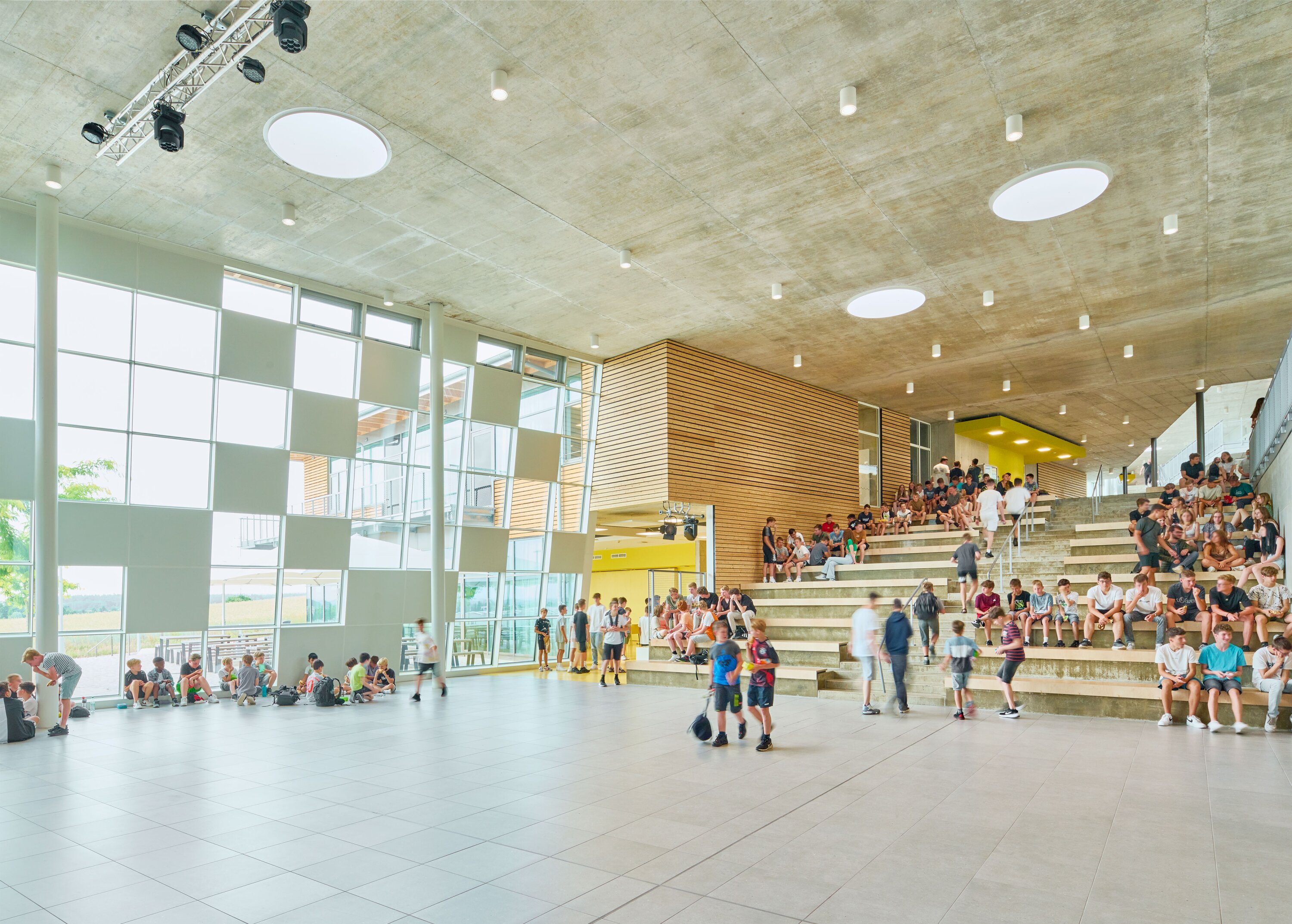
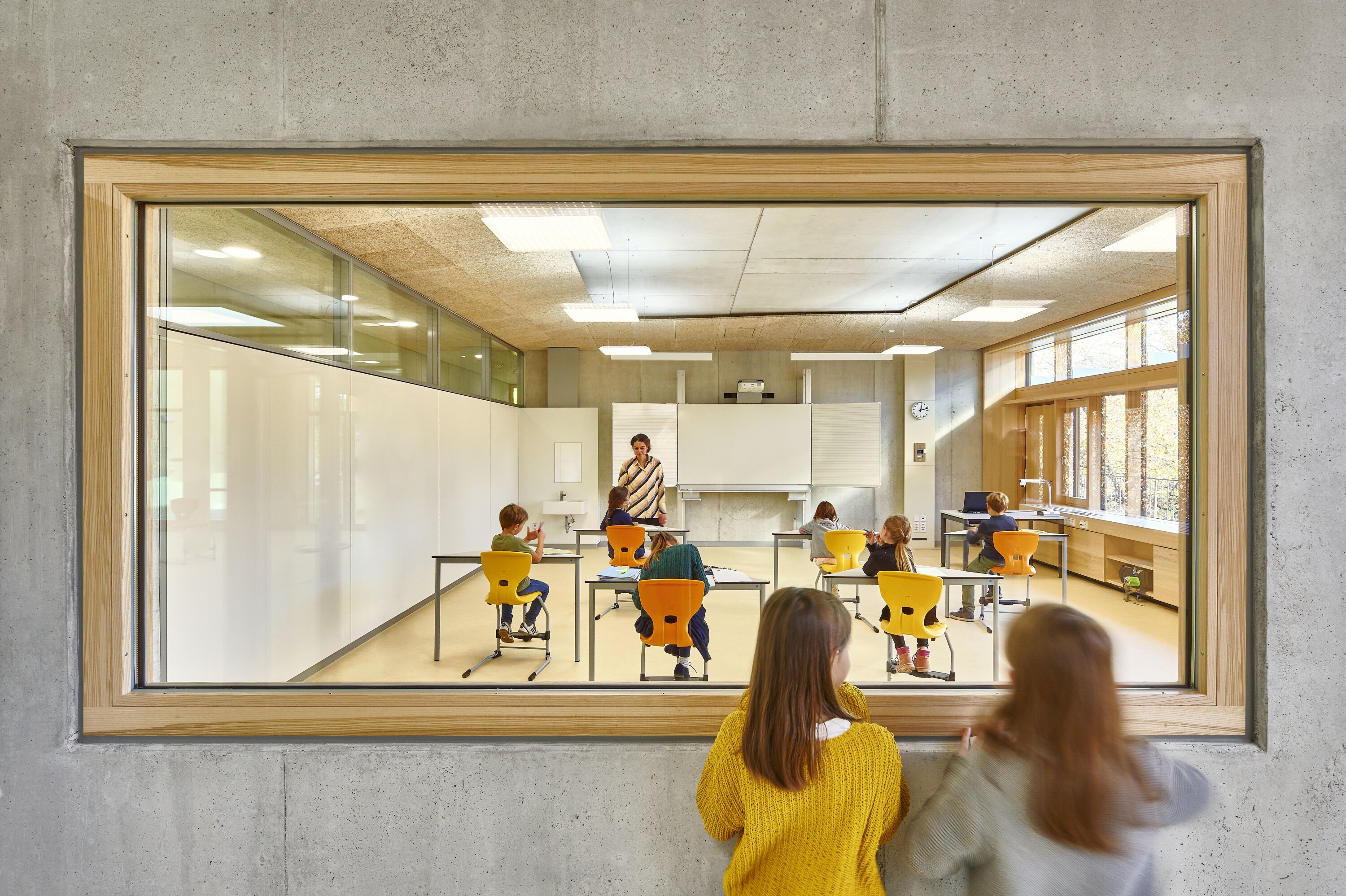
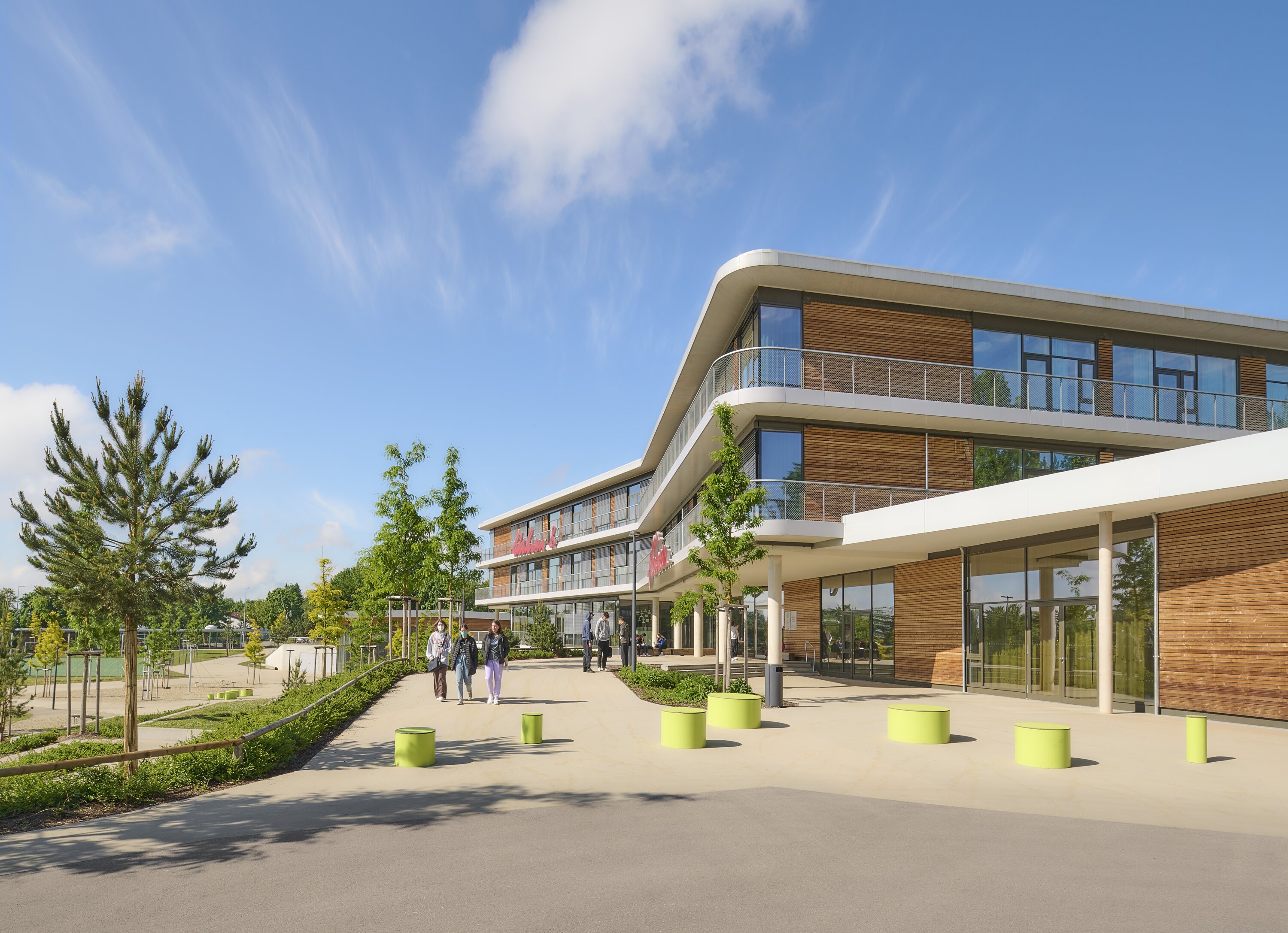
Public Secondary School Neuburg an der Donau
Task
Understanding the school building itself as an integral part of the educational experience.
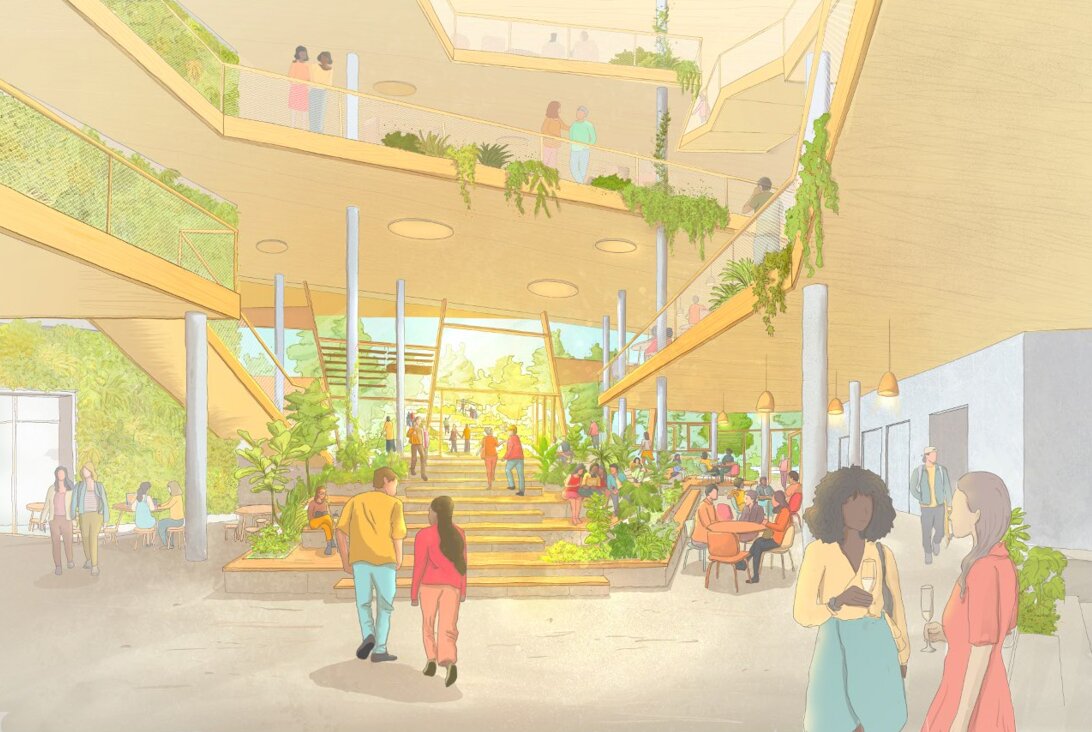
Designing learning environments is a challenging task—not only architecturally and pedagogically, but also socially, politically, and culturally. These spaces hold the potential to bring people and cultures together, demanding that we understand educational institutions not only as places for learning and knowledge reproduction, but also as spaces for creativity.
For many children, a school is the first public building they consciously learn to know and use. Memories and impressions formed there often stay with them for life. The quality of the architecture plays a crucial role: the design and spatial qualities, along with the associations they evoke, shape children’s initial understanding of the built environment.
Objective
Integrating a holistic idea of sustainability into our concept of learning environments.
Creating spaces for learning has a long tradition at Behnisch—and so does our commitment to sustainability. Günter Behnisch's first educational buildings—such as the school complex in Schwäbisch Gmünd and the Vogelsang School—were constructed in the 1950s and 1960s, a period shaped less by ideology than by evolving educational concepts. The goal was to create open, inclusive environments that reflected and supported society at large.
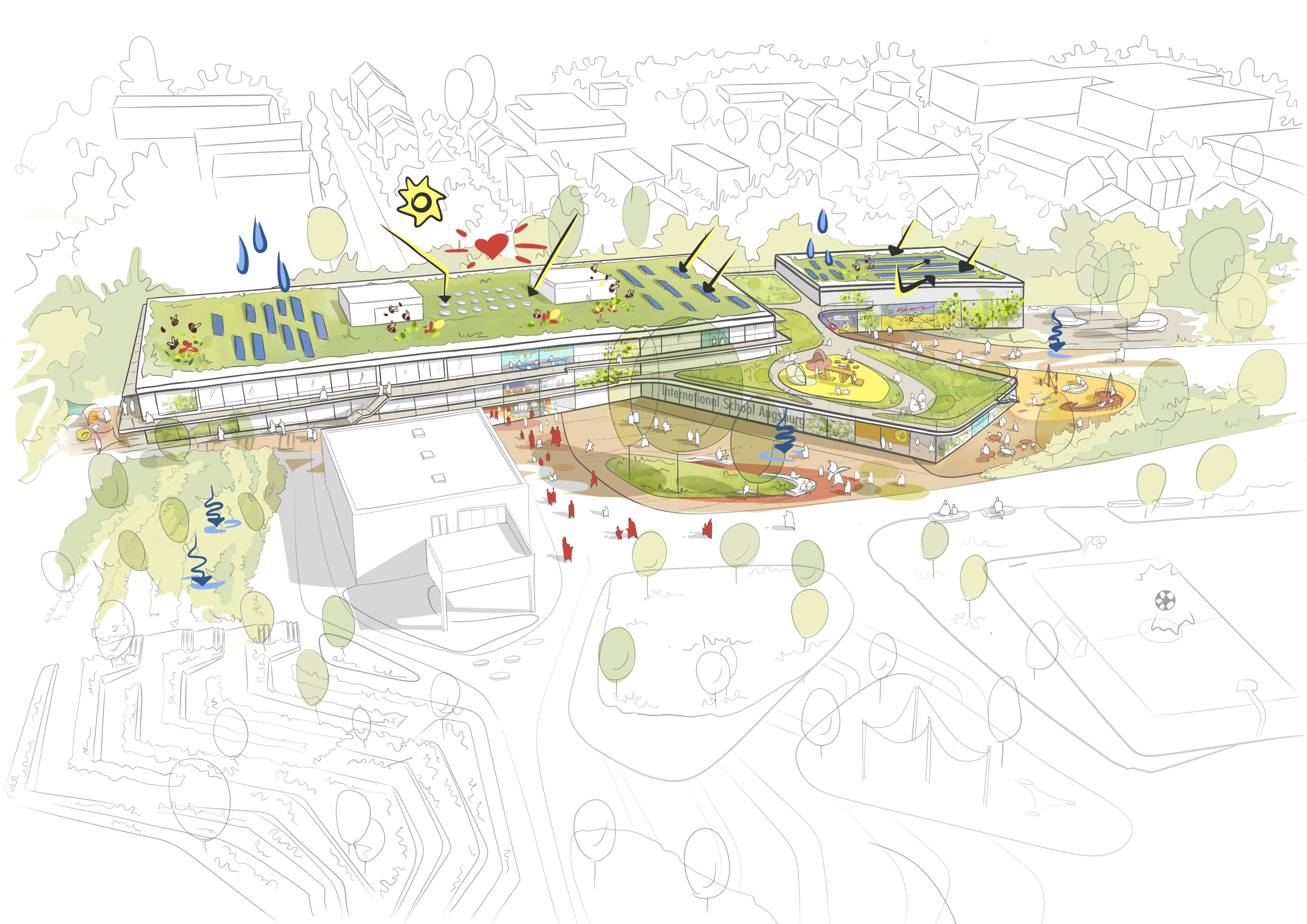
Today, schools are once again taking on an increasingly important role in society. As traditional public gathering places—such as churches and village festivals—lose significance, schools can assume a growing social, civic, and cultural role. They often become the first point of contact for adults and siblings when moving to a new neighborhood or city. Thus it becomes important to open the school to its surrounding community. Only in this way can schools engage in dialogue with their neighbors and truly become part of local life.
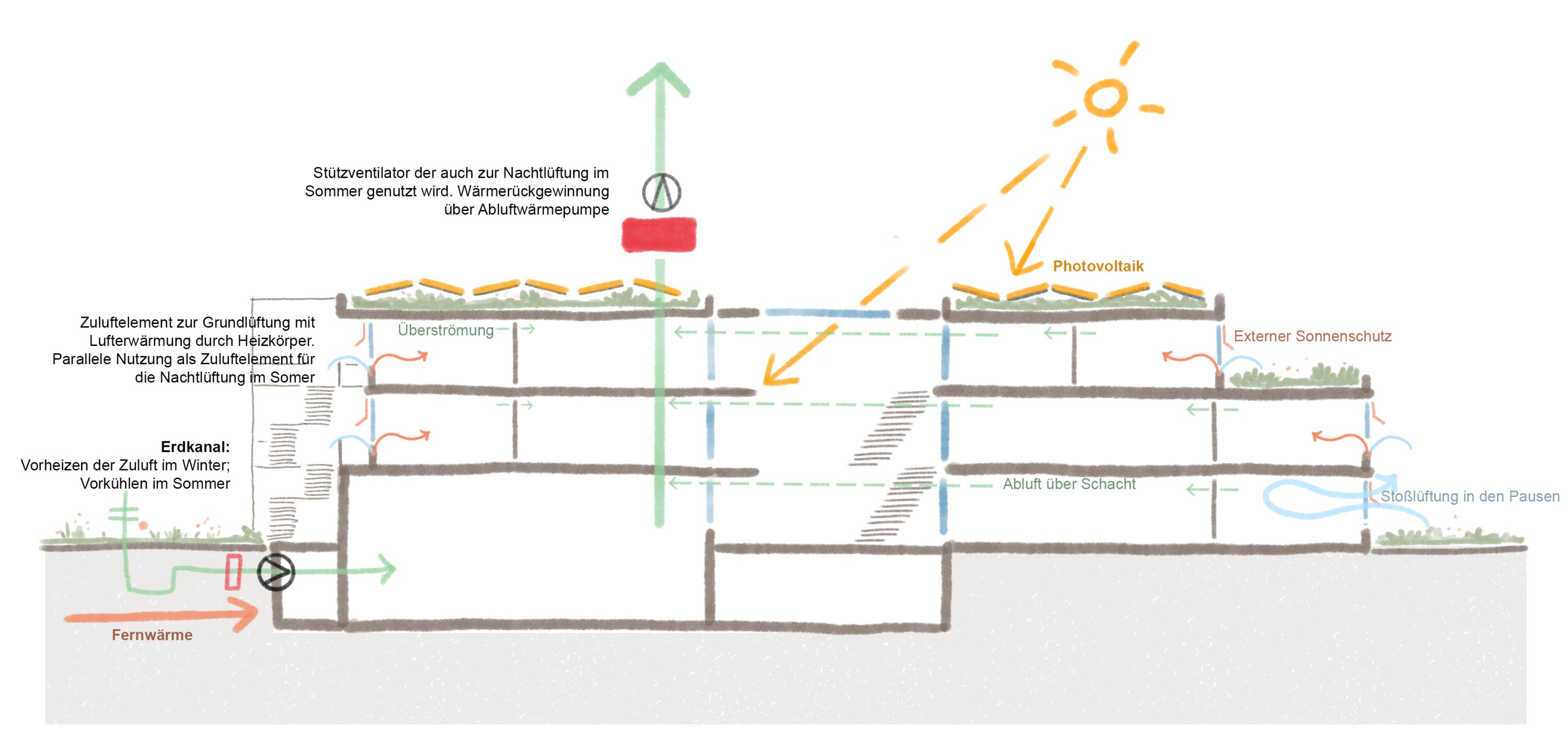
Given this growing importance of schools, there is a significant opportunity to position these buildings as models of sustainable construction. Two main trends have emerged: a highly technical approach and a more holistic one. In recent decades, sustainability discourse has largely focused on maximizing operational energy efficiency. This has produced highly insulated, technologically sophisticated buildings with complex facades designed to meet user needs in every possible scenario. Such systems often exceed intuitive understanding; they require manuals, intensive maintenance, and continuous monitoring to function as intended. As a result, the direct connection between action and reaction is obscured by opaque technical processes. When people can no longer understand their surroundings through simple observation, how can young people develop an intuitive relationship with the built environment—or apply that understanding to other contexts?
Approach
Envisioning school buildings as adaptive organisms that engage both students and the community.
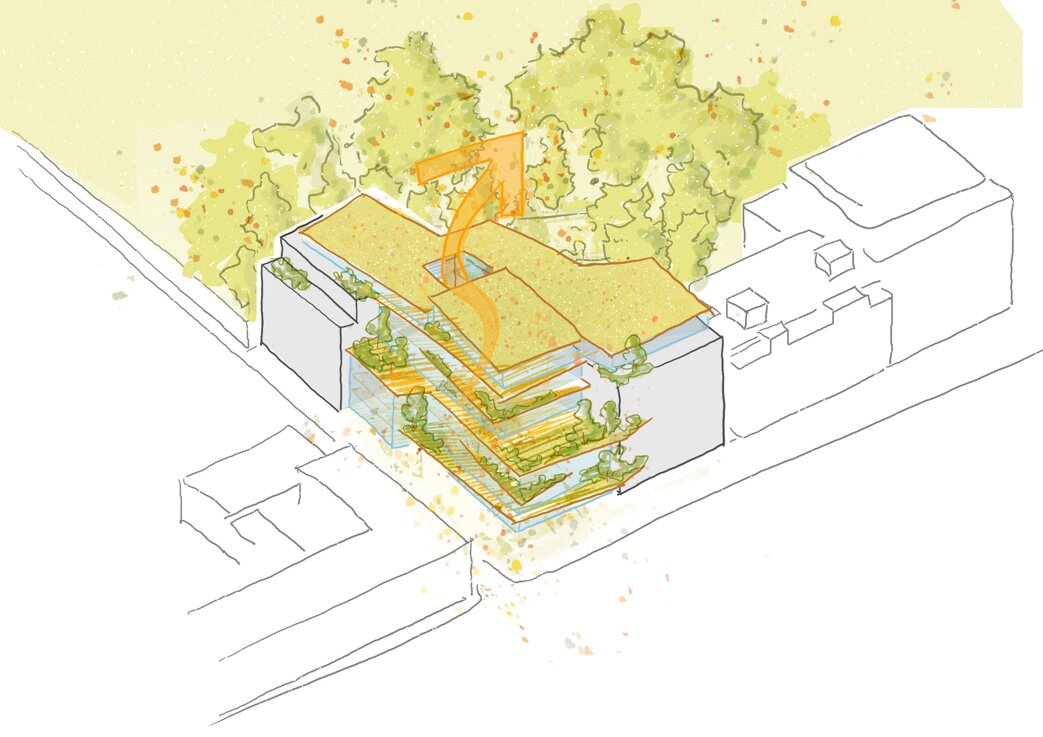
A holistic approach to sustainability integrates all relevant factors—such as building orientation, energy supply, user behavior, and even potential future demolition—into the design process. The goal is to give children a tangible sense of how these elements are interconnected.
Issues such as when and how to ventilate, which direction a room faces, or when sun protection is needed become clear and intuitive. They can be directly experienced through the building’s use and become self-explanatory. In this way, the younger generation—many of whom are deeply concerned with environmental protection—are given meaningful opportunities to engage and participate.
Schools can also incorporate spaces for local clubs, allowing school buildings and outdoor facilities to be actively used beyond school hours—a development increasingly visible in our projects and one we strongly welcome. Beyond strengthening both the school and neighborhood communities, such shared use has a practical benefit: in medium-sized towns, the demand for school space can vary with enrollment. When school buildings become adaptive organisms rather than solitary units, they can respond proactively to future changes.
Crucially, this flexibility must not lead to a purely pragmatic approach; these buildings, serving diverse user groups with varying needs, require spaces that foster orientation and a sense of identification.
Related
International School Augsburg
Primary School Infanteriestrasse
Anna-Pröll Secondary School and Sports Hall
How a circular design approach can make our buildings better for the environment and its inhabitants
- adaptivereuse
- innovation
- lowenergy
- pilotproject
- sustainability
- circulareconomy
- energyefficiency
- innovativematerials
How we developed energy-saving fixed shading systems
- daylightoptimization
- lowenergy
- energyefficiency
- wellbeing