How we developed energy-saving fixed shading systems
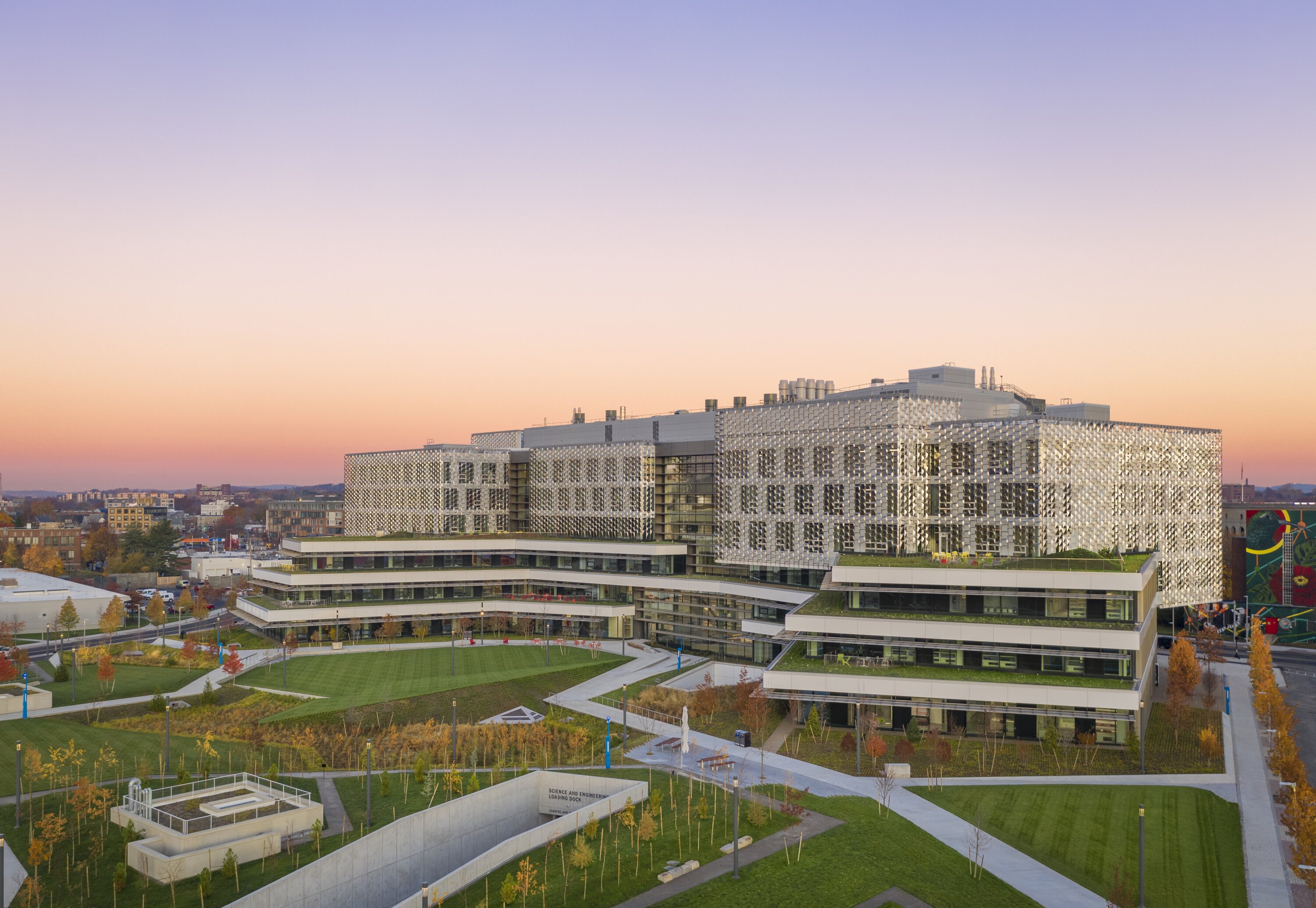
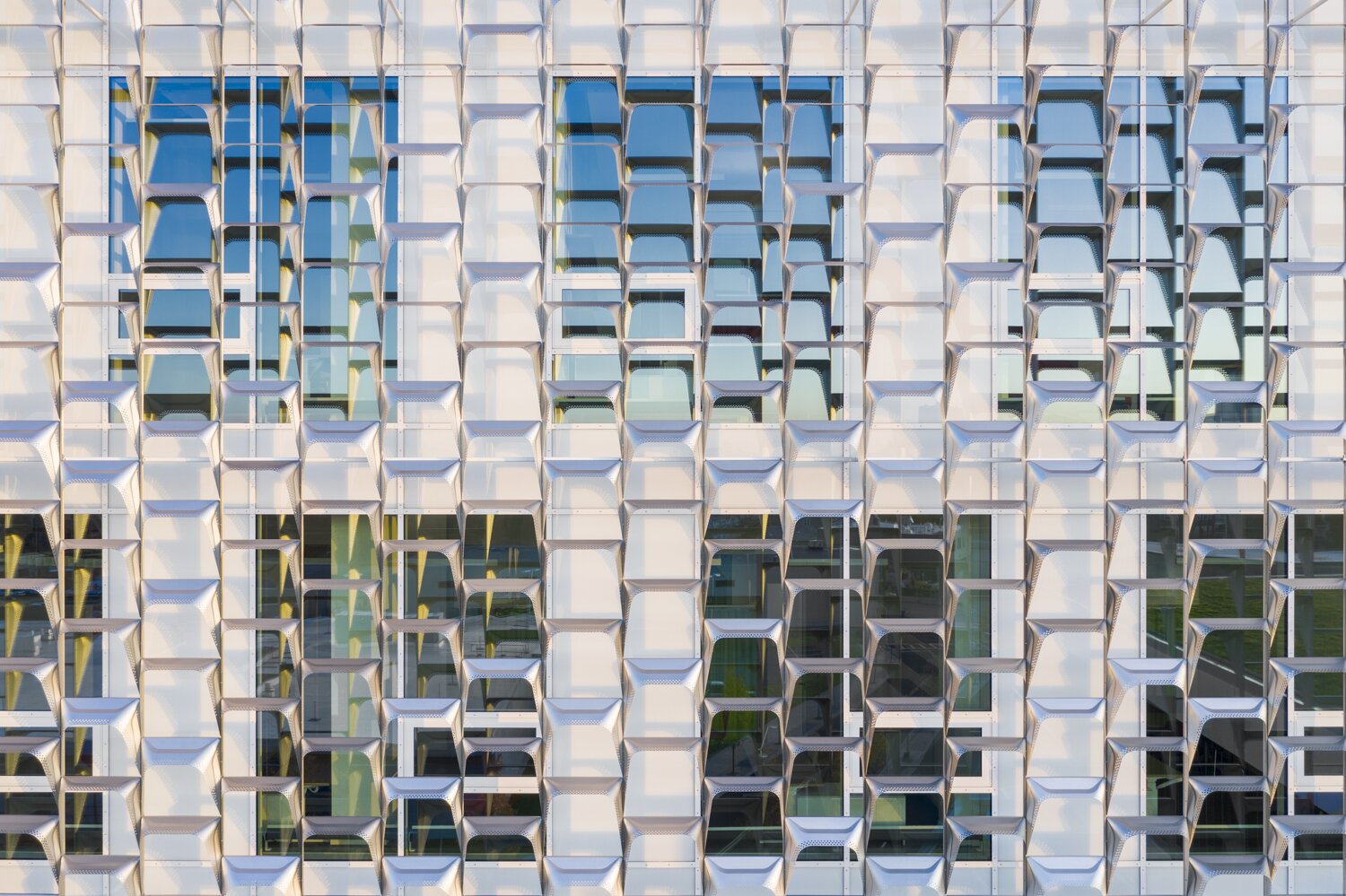
Harvard University Science and Engineering Complex (SEC)
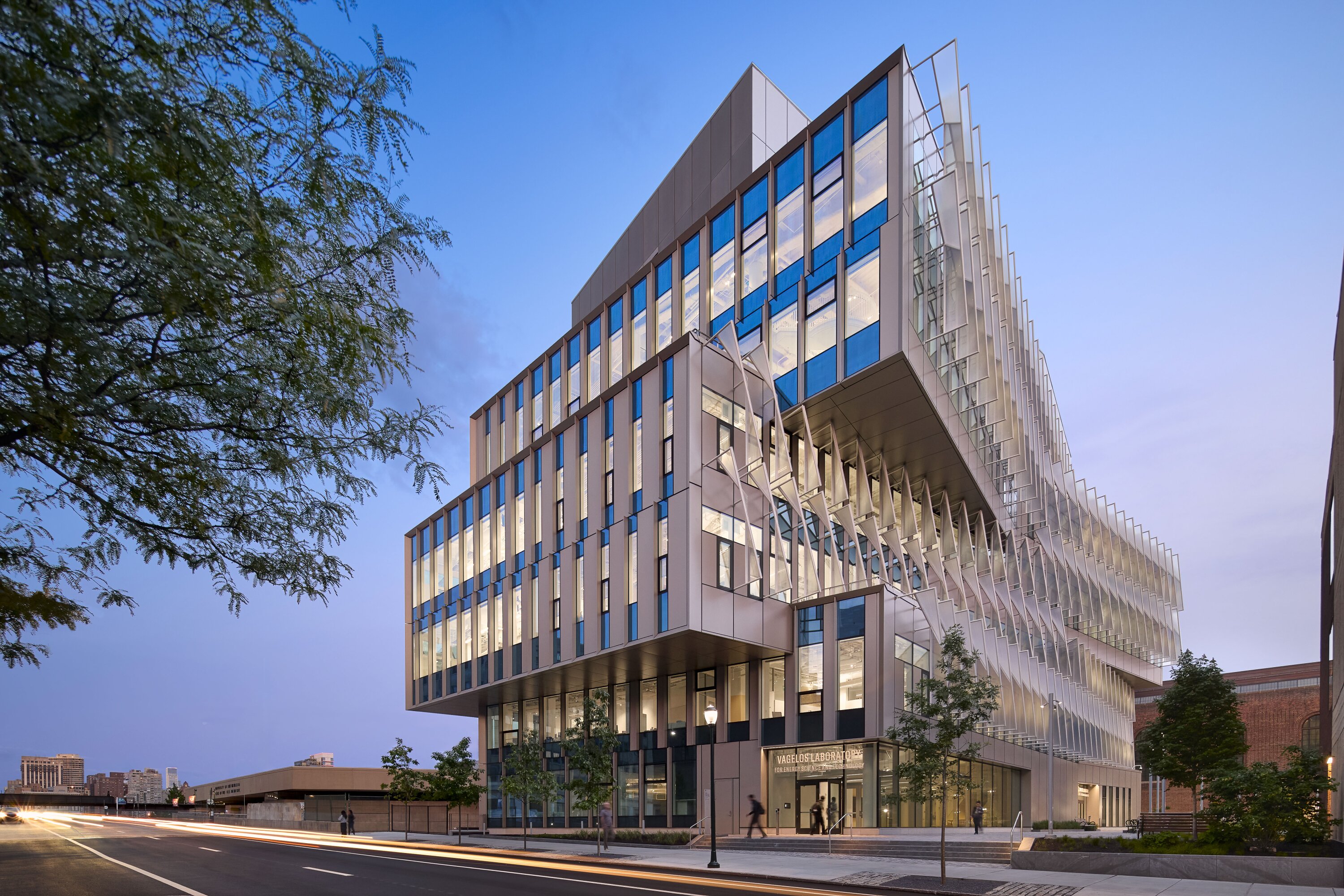
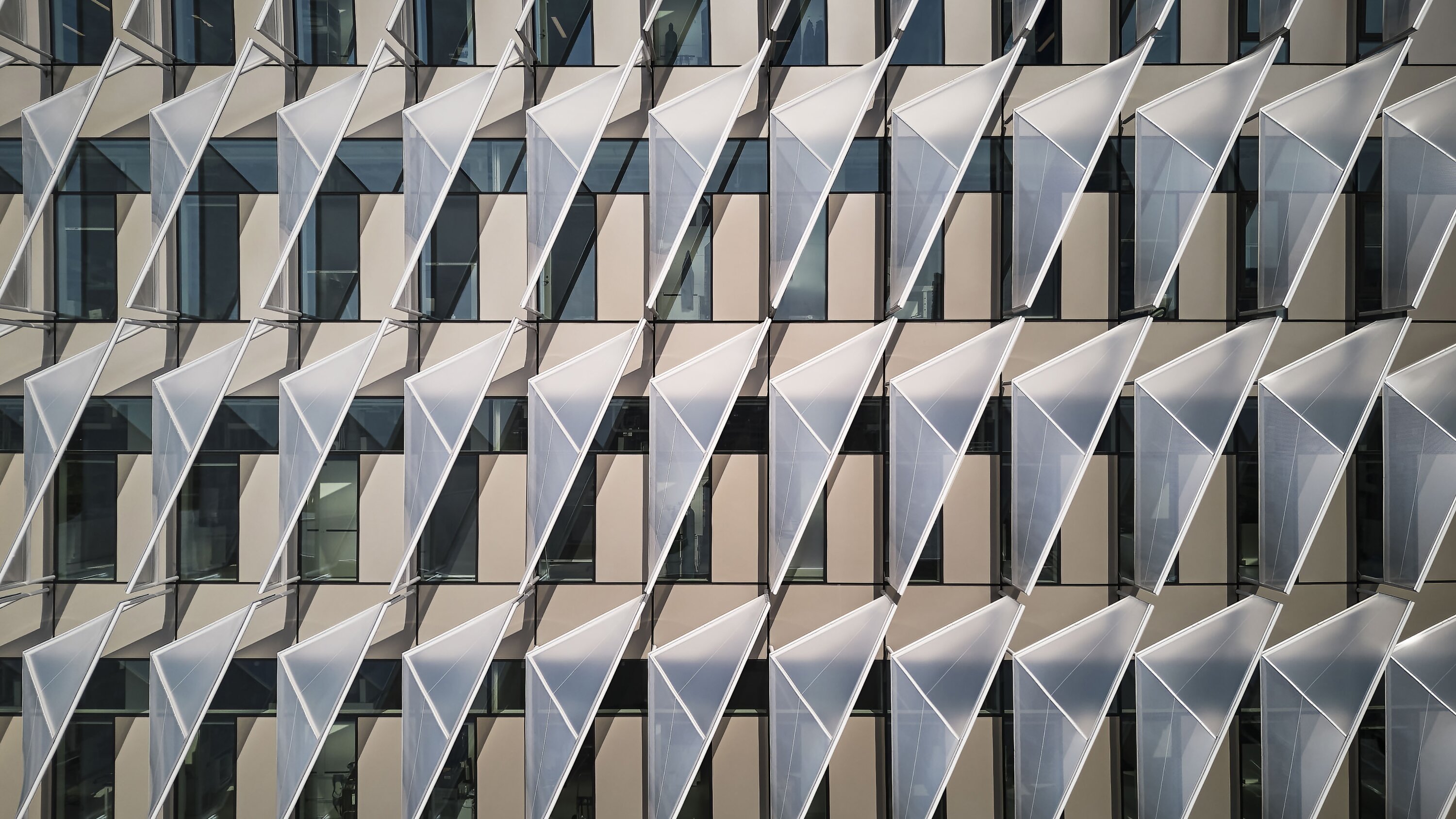
The Vagelos Laboratory for Energy Science & Technology, University of Pennsylvania
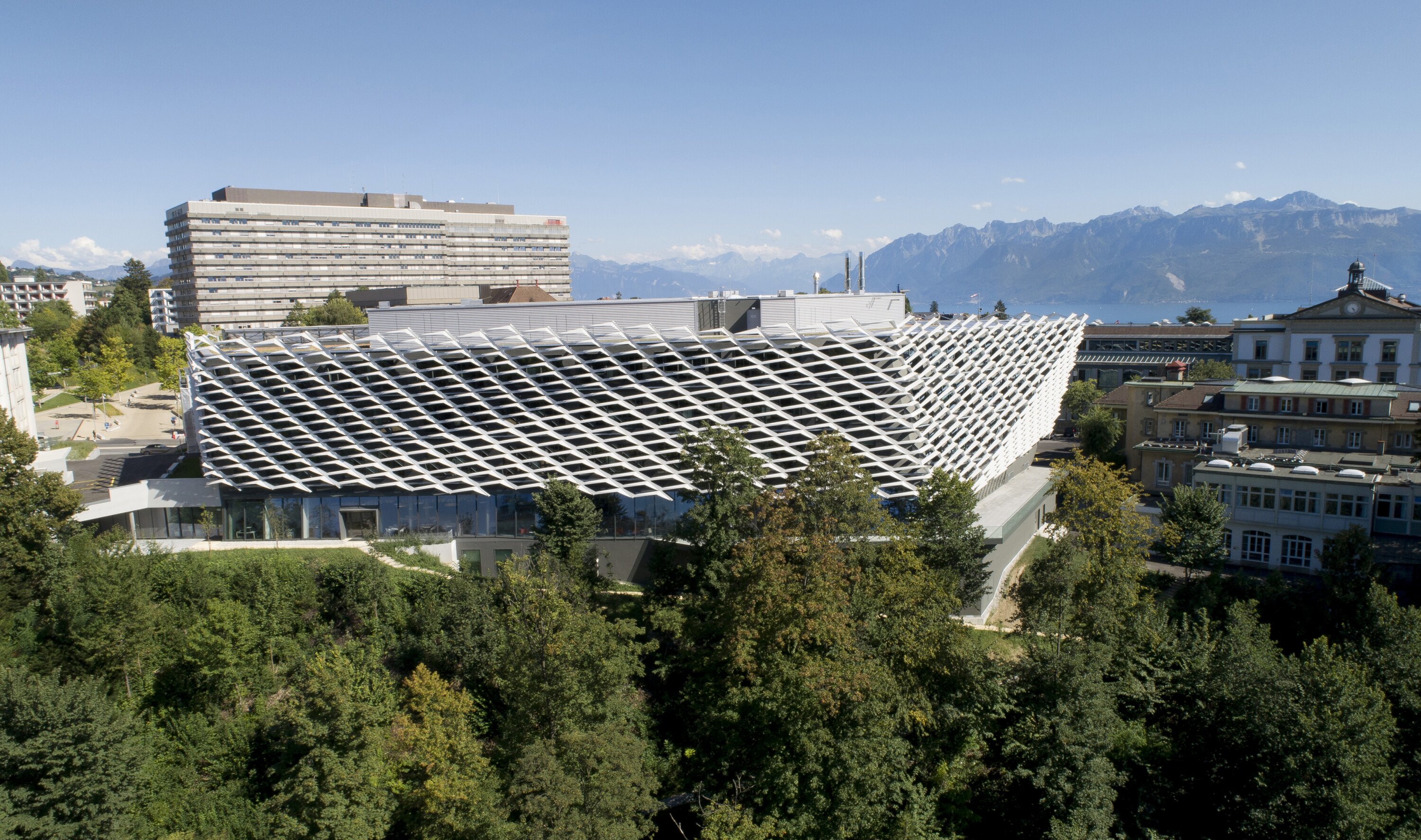
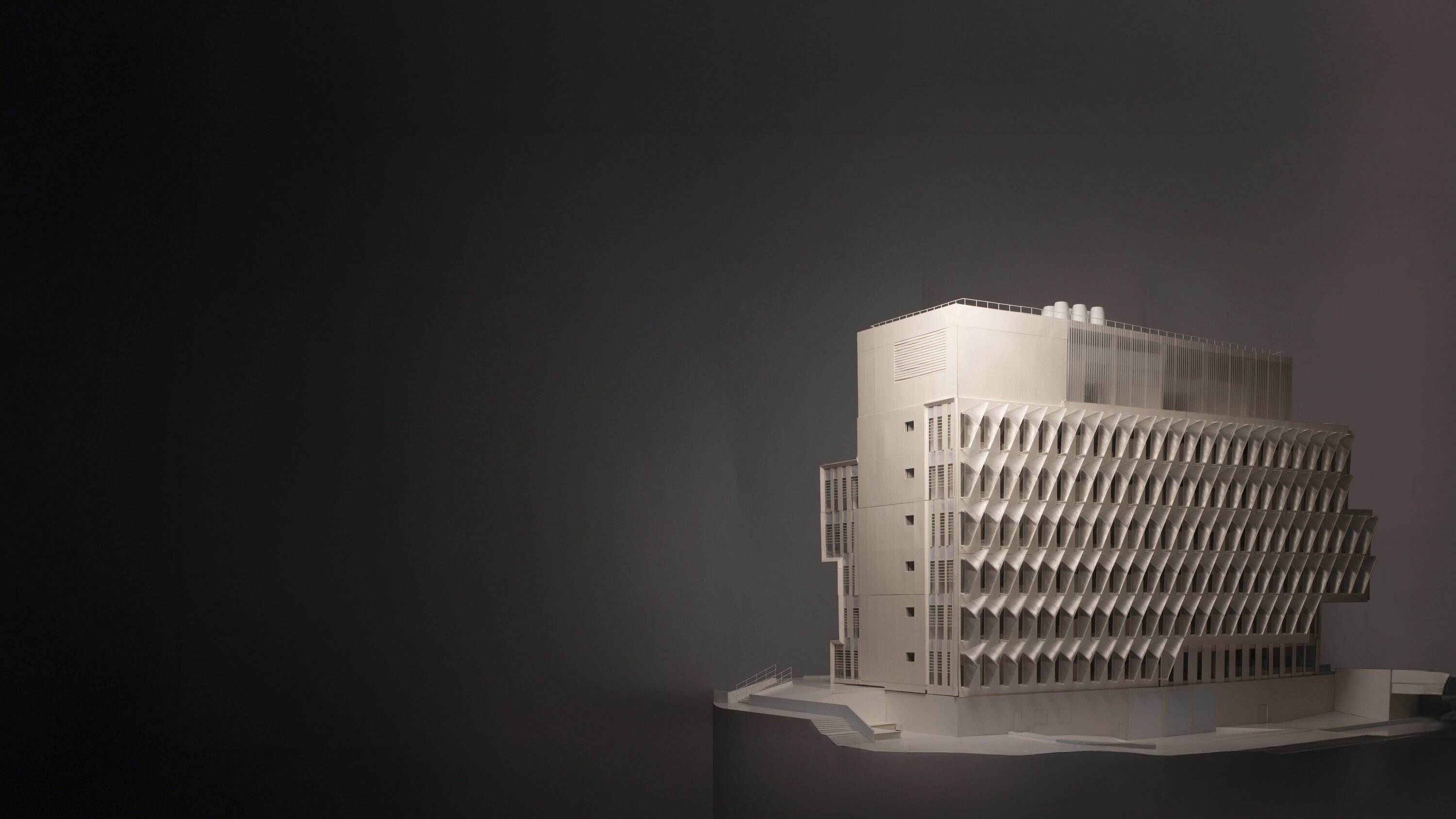
AGORA Pôle de recherche sur le cancer
Why Shade?
We need the sun. Yet, if we don't protect ourselves we can get too hot, or it's can be too bright, so we put on a hat. And there are many hats to choose from. When we need more protection from the sun we seek shade from tree, or begin creating our own structures.
Buildings have a similar relationship to the sun. Not enough shade and too much glass and we over heat in the summer and loose heat in the winter. Applying films on glass (like sun glasses) means we get less daylight, so we turn on the lights and we loose the quality of view. Or, we make the windows too small and don't take advantage heat gain in the winter.
Task
Creating a fixed sun shading system that balances technical and experiential goals to enhance energy performance and comfort of the building.
We see fixed shading as much a quiet social instrument as a technical one—thoughtfully tuned to its climate and context. It reduces heat gain and glare yet preservers views and comfort—an approach that supports healthier, more sustainable everyday life.
Our process is as simple as it is rigorous: early parametric testing helps us to establish thoughtful geometries, refined through daylight and thermal feedback, coordinated from the outset with assembly integration. The result is shading that is durable, buildable, and resource-conscious, allowing the architecture to perform steadily and responsibly, from day one through decades to come.
Strategy
Researching various strategies to find best fitting materials and form for site specific sun exposure.
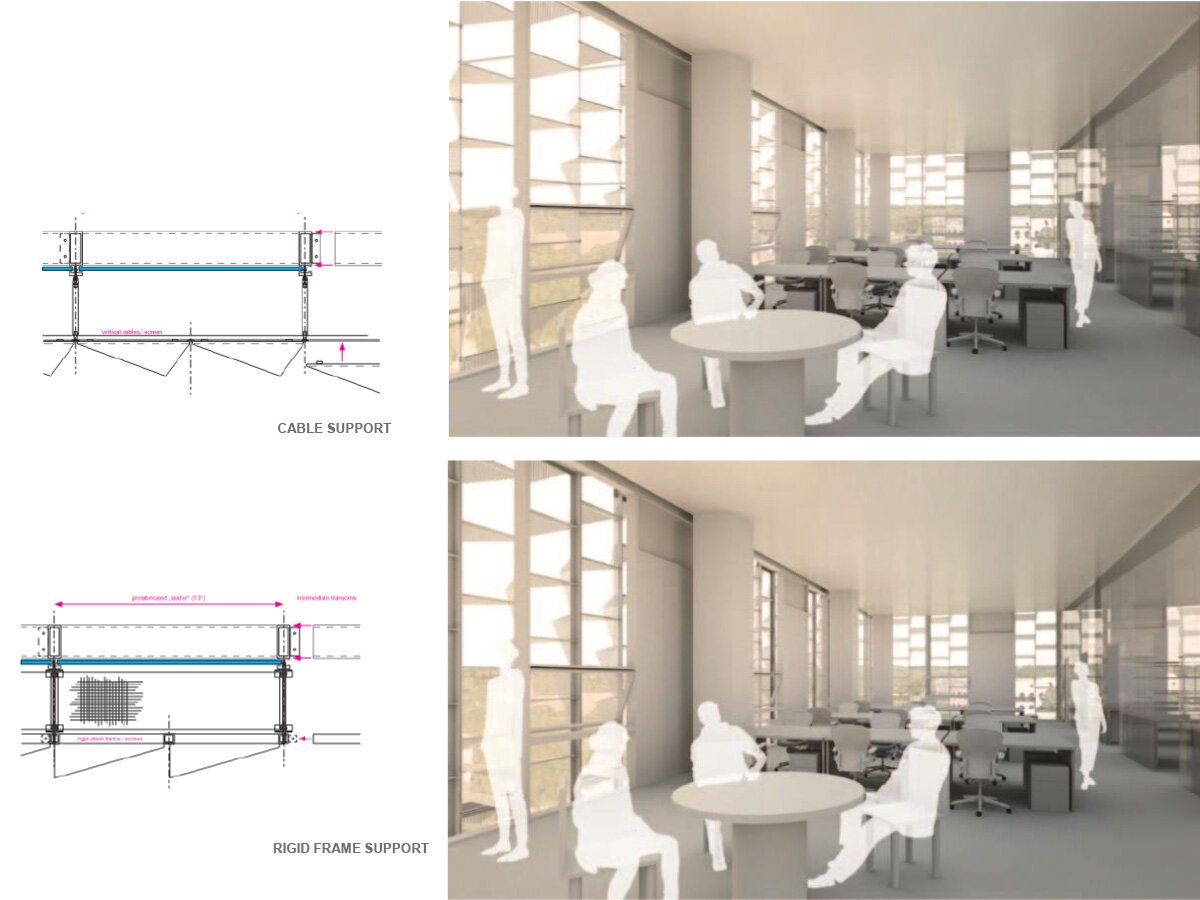
Our goal is to harvest daylight, protect the occupants from heat and glare, and above all preserve views. By using fixed shades that don't depend on user behavior, complex controls, or fragile mechanisms, these elements become part of the building’s social contract—reliable in all seasons, for all occupants, without waste or worry.
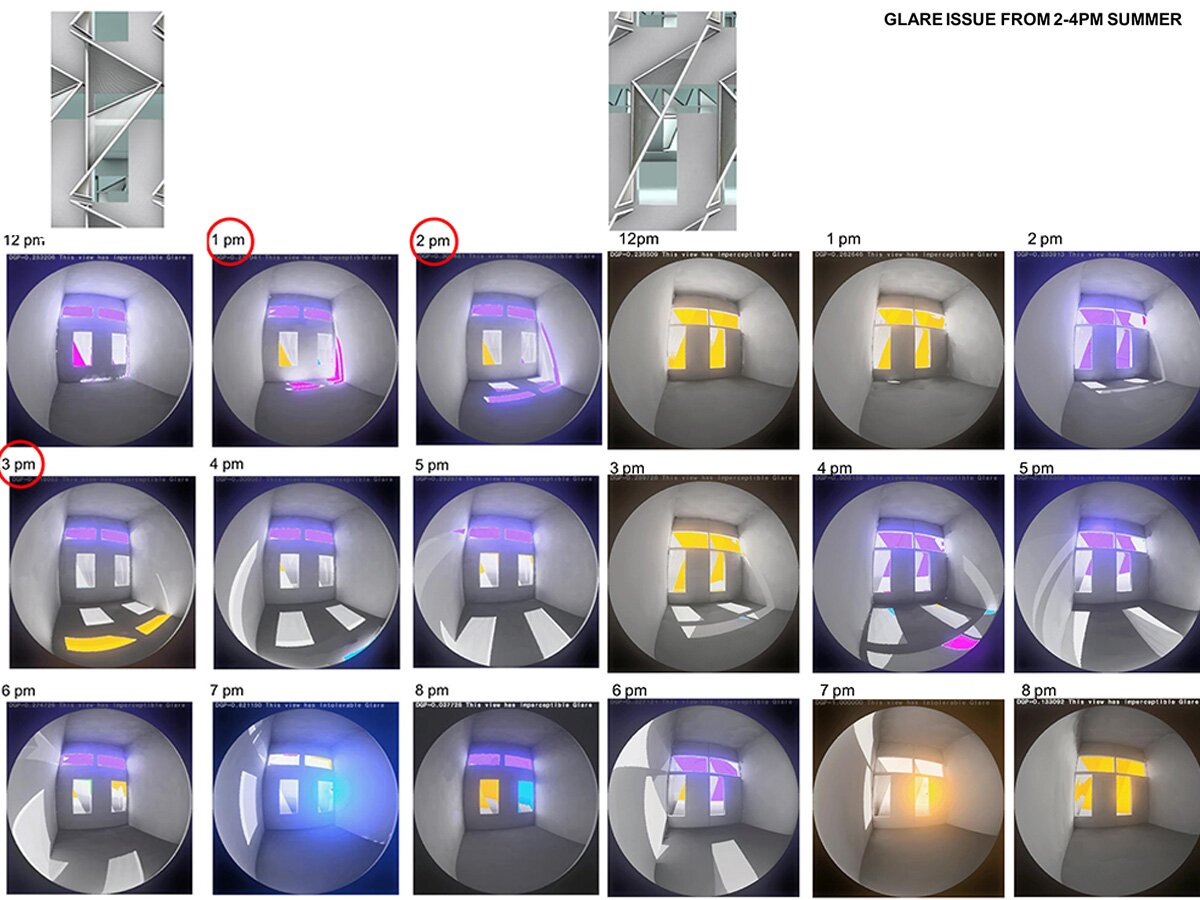
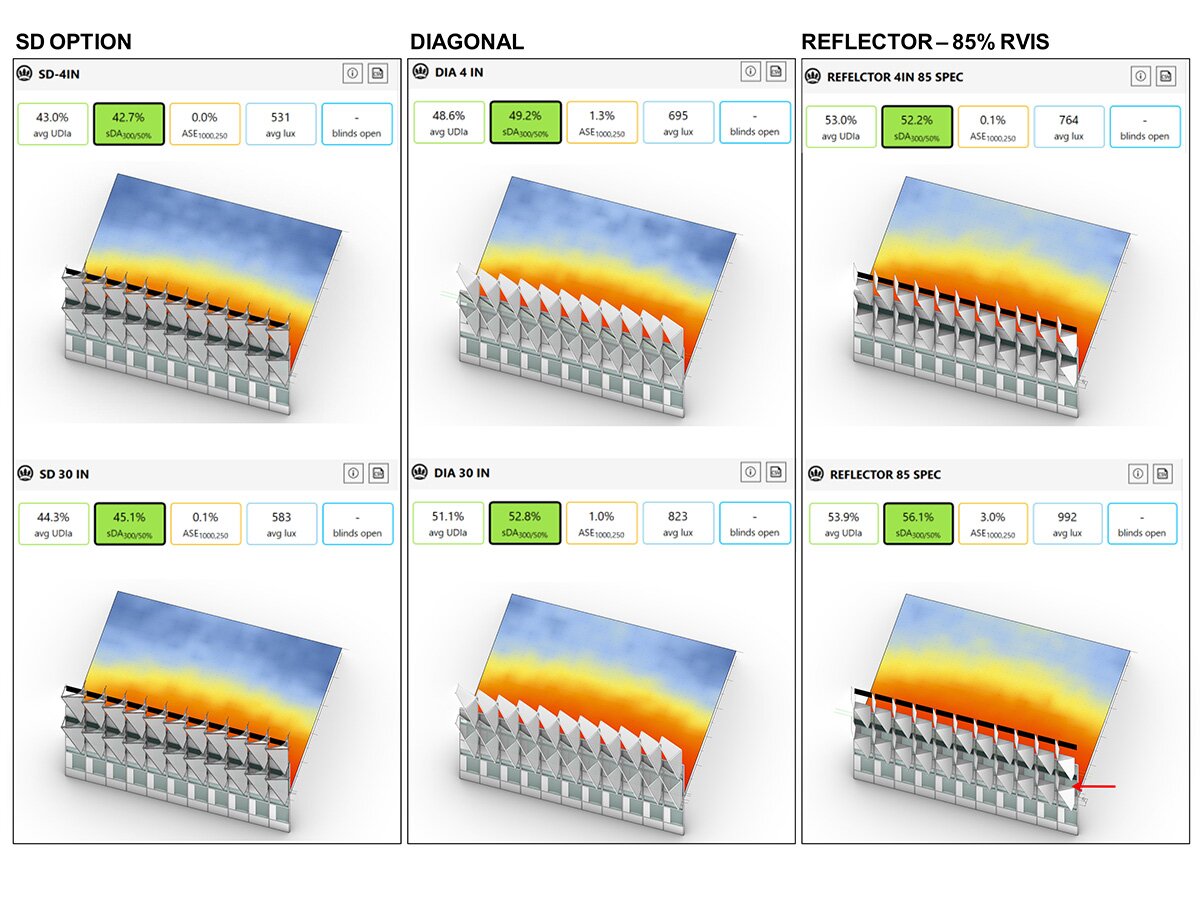
To reach this, we rigorously test orientations, geometries, and materials against real climate data, cost, and carbon. Each shading strategy must earn its place, demonstrating measureable reductions in cooling loads, glare, sensible maintenance, and an architectural presence that feels integral rather than applied.
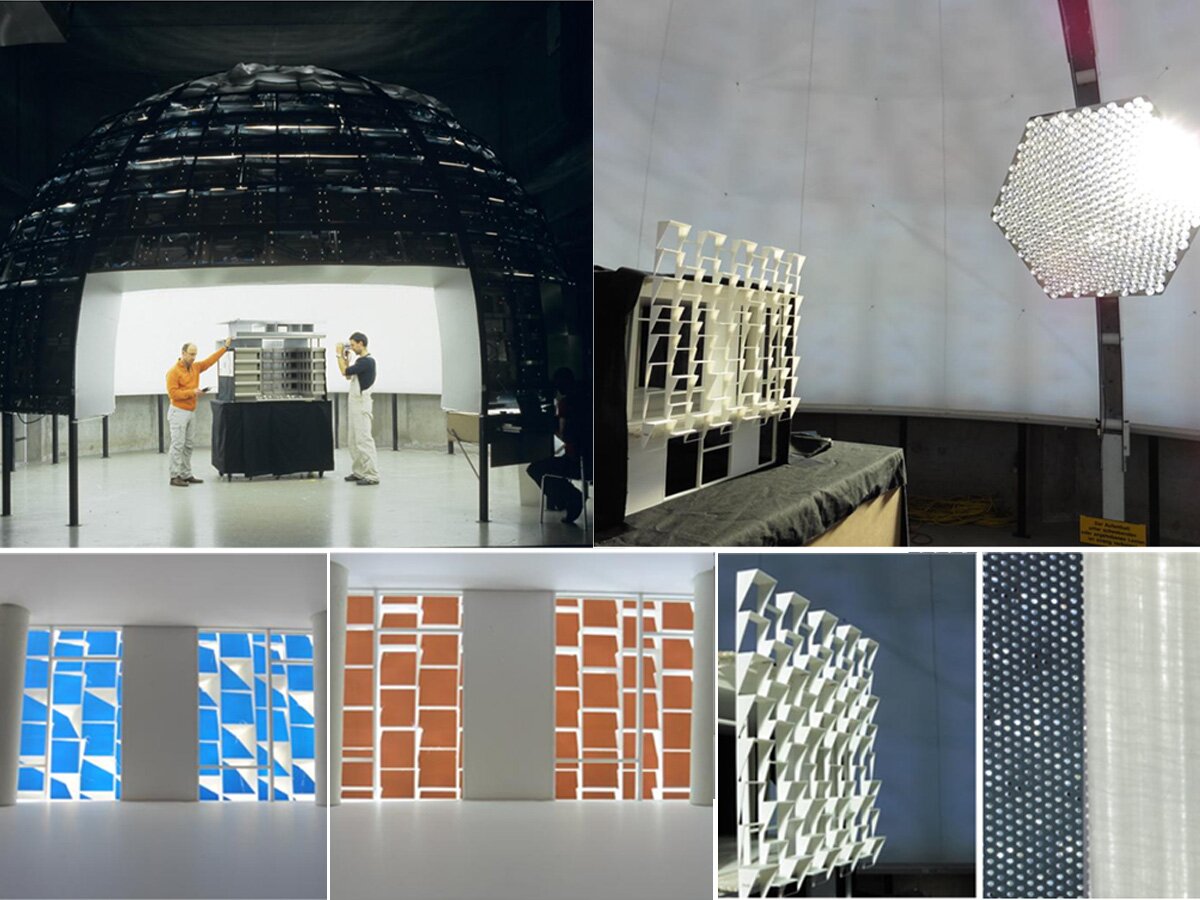
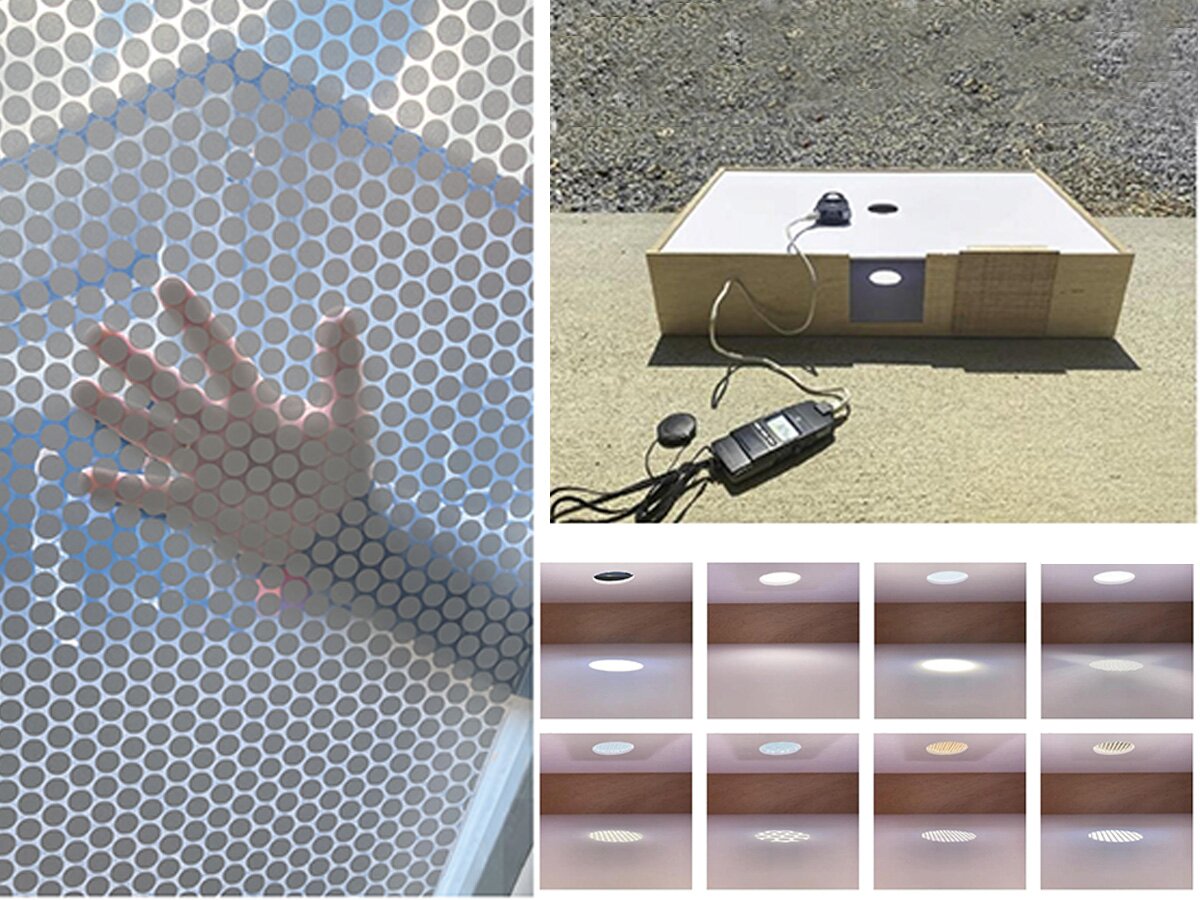
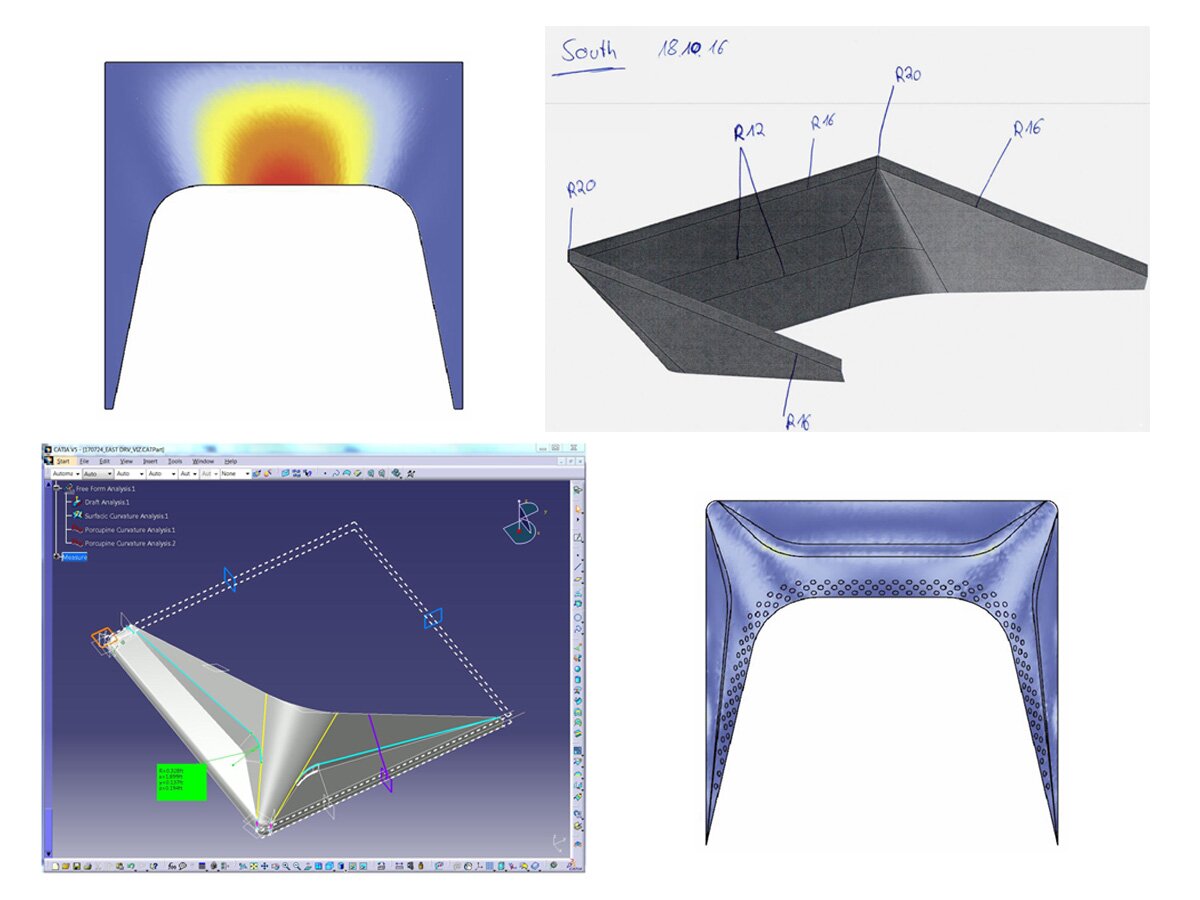
Our process involves a wide range of tools and techniques to design, optimize, and test the shading structures, including physical models and mockups, light labs testing, state-of-the-art digital modeling and analysis tools.
The purpose of fixed shading is performance, to provide shade is to pursue a desirable level of comfort for people in buildings, yet it must be made of sensible materials and be beautiful.
Cases
Three examplary building facades that we developed on the basis of our preceding research and insights.
HARVARD UNIVERSITY
Allston, MA, USA
2006–09 / 2014–21
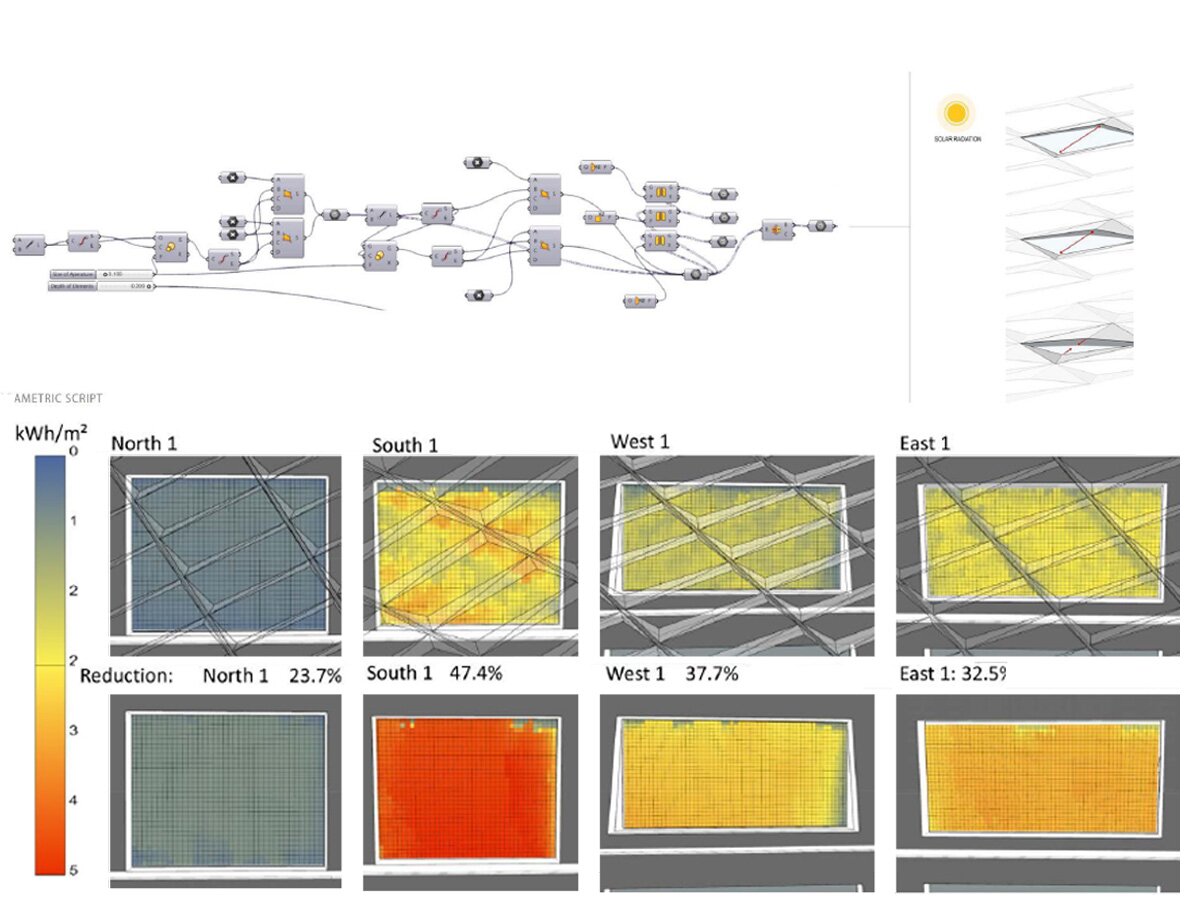
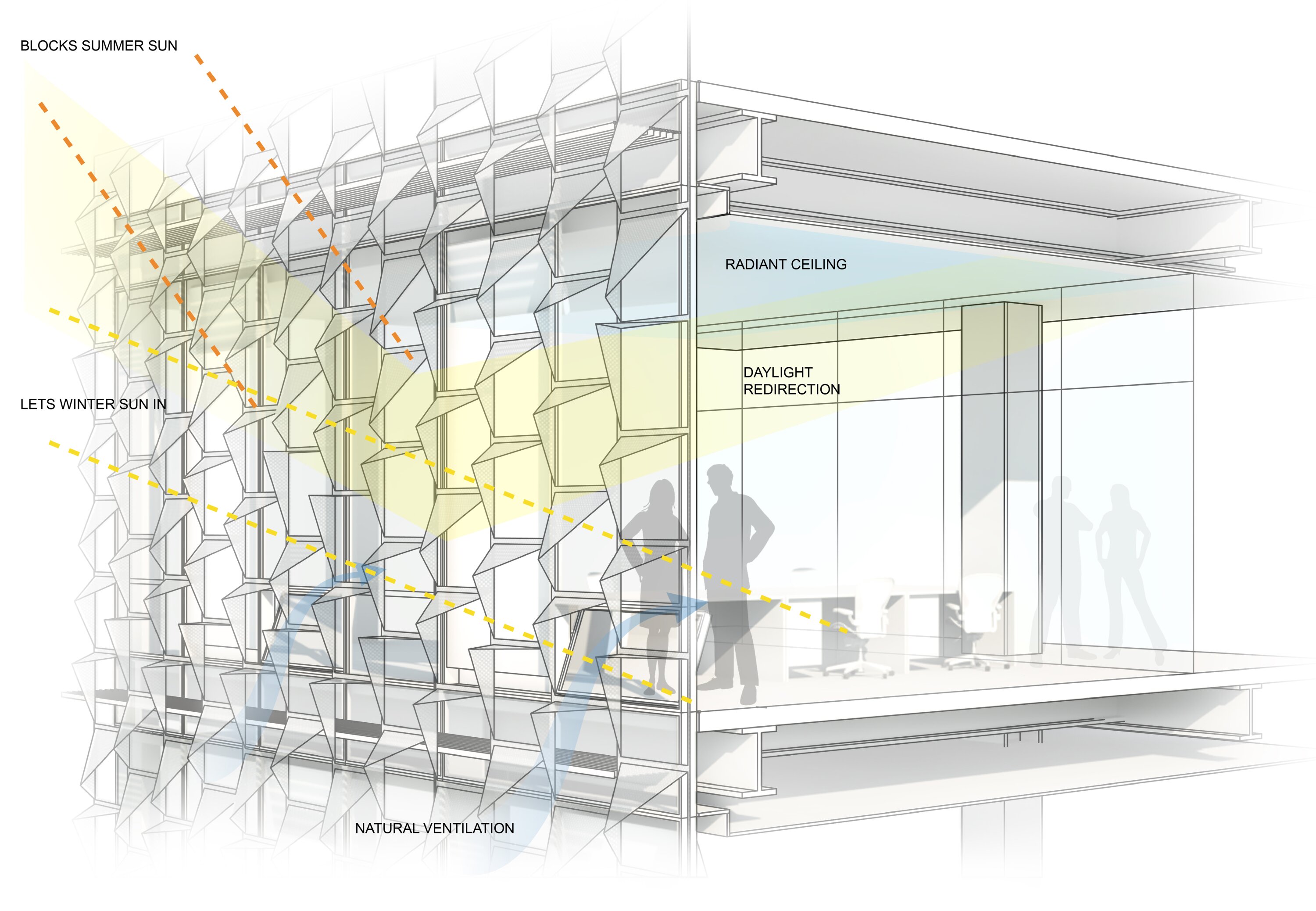
The world’s first hydroformed stainless-steel screen, designed to limit summer heat gain and welcome winter sun
Facade Performance Diagram
UNIVERSITY OF PENNSYLVANIA VAGELOS LABORATORY FOR ENERGY SCIENCE AND TECHNOLOGY
Philadelphia, PA, USA
2019-2022
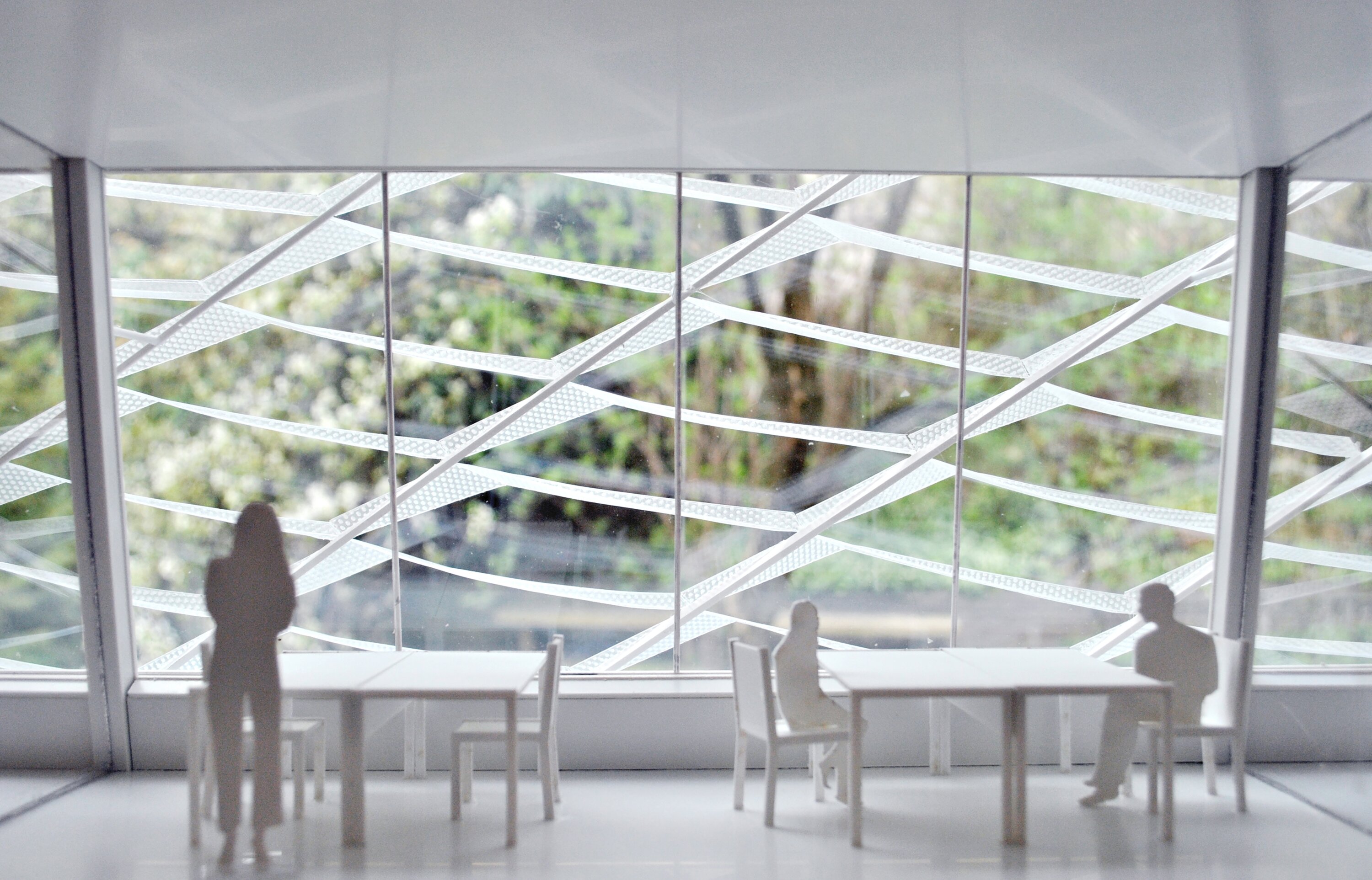
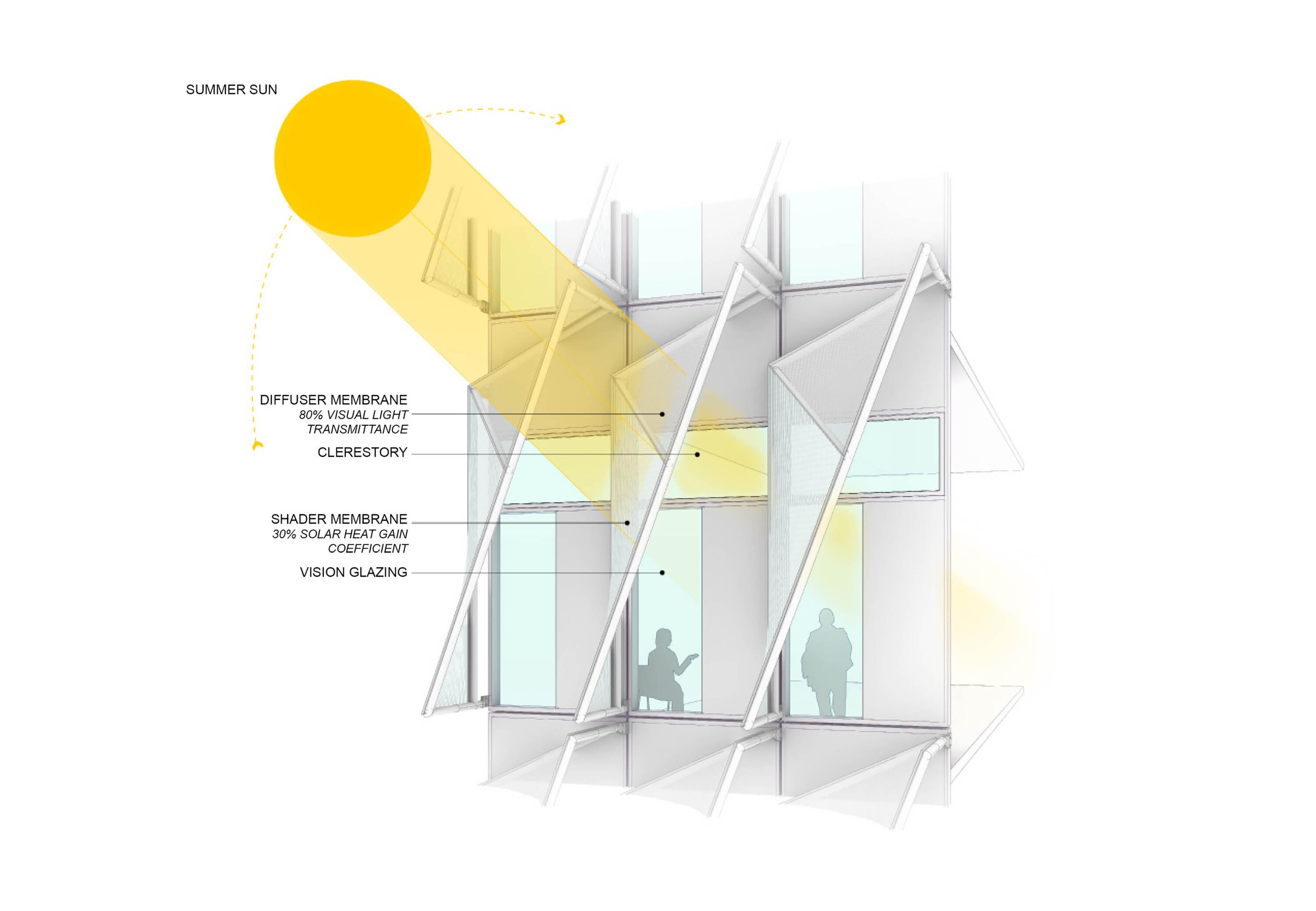
Double-curved ETFE-foil sunshades reduce the energy load for cooling, and diffuse daylight deep into the laboratories and office spaces
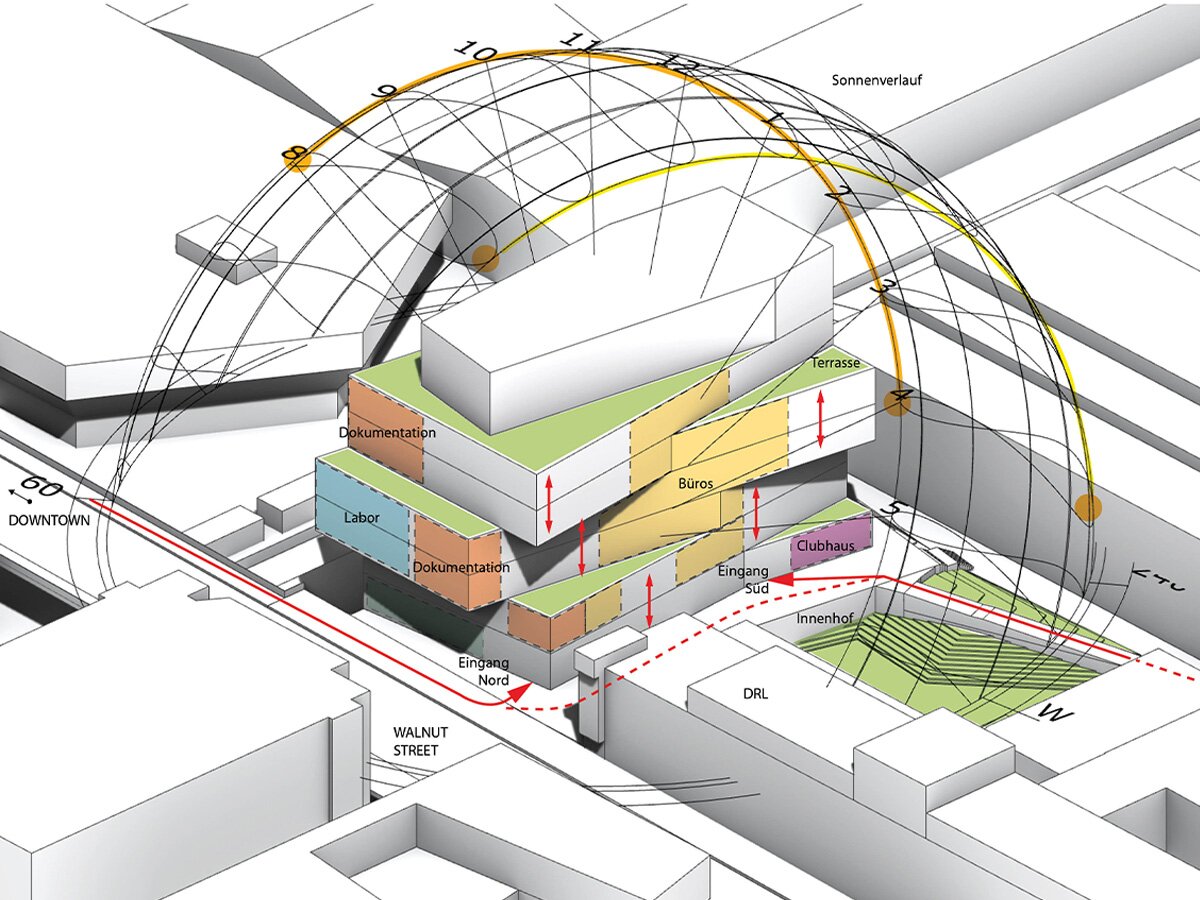
Diagram of solar radiation and material composition
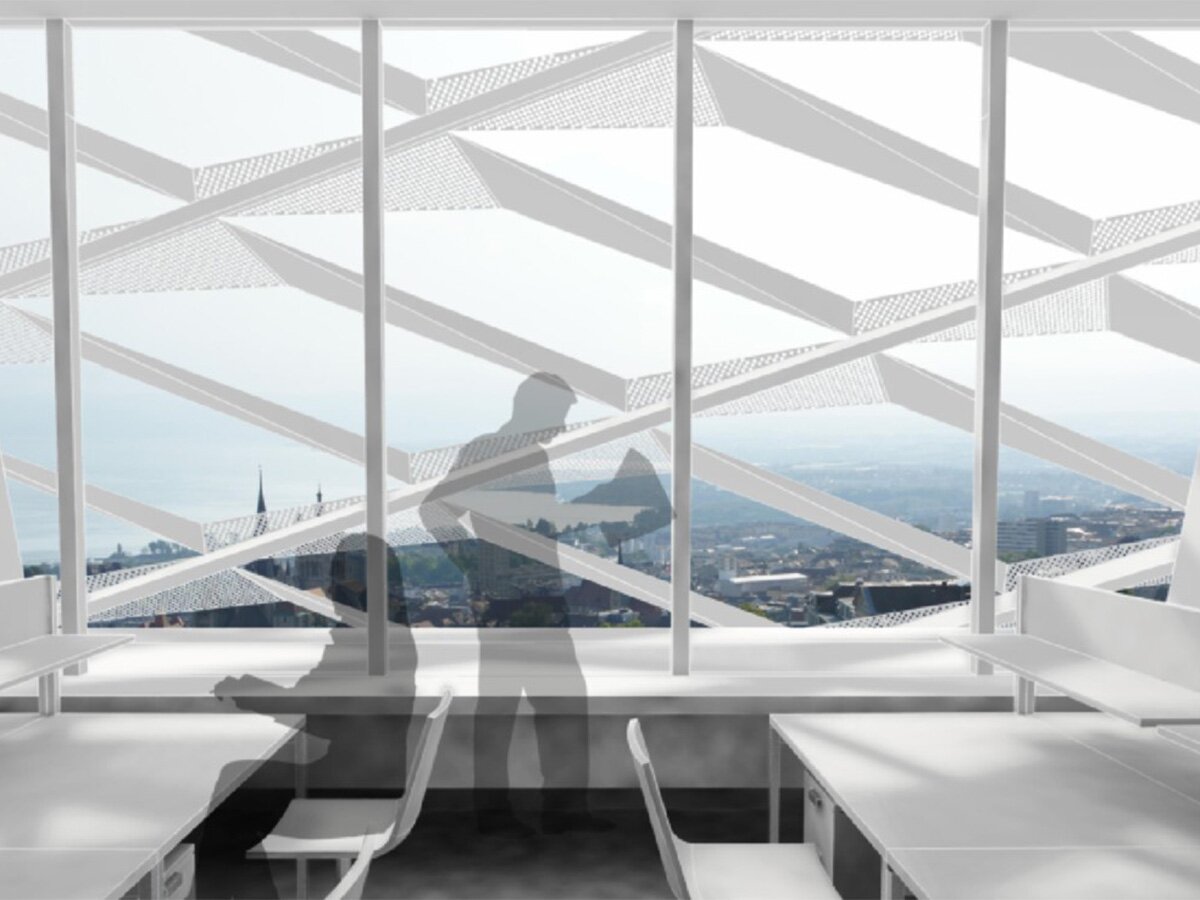
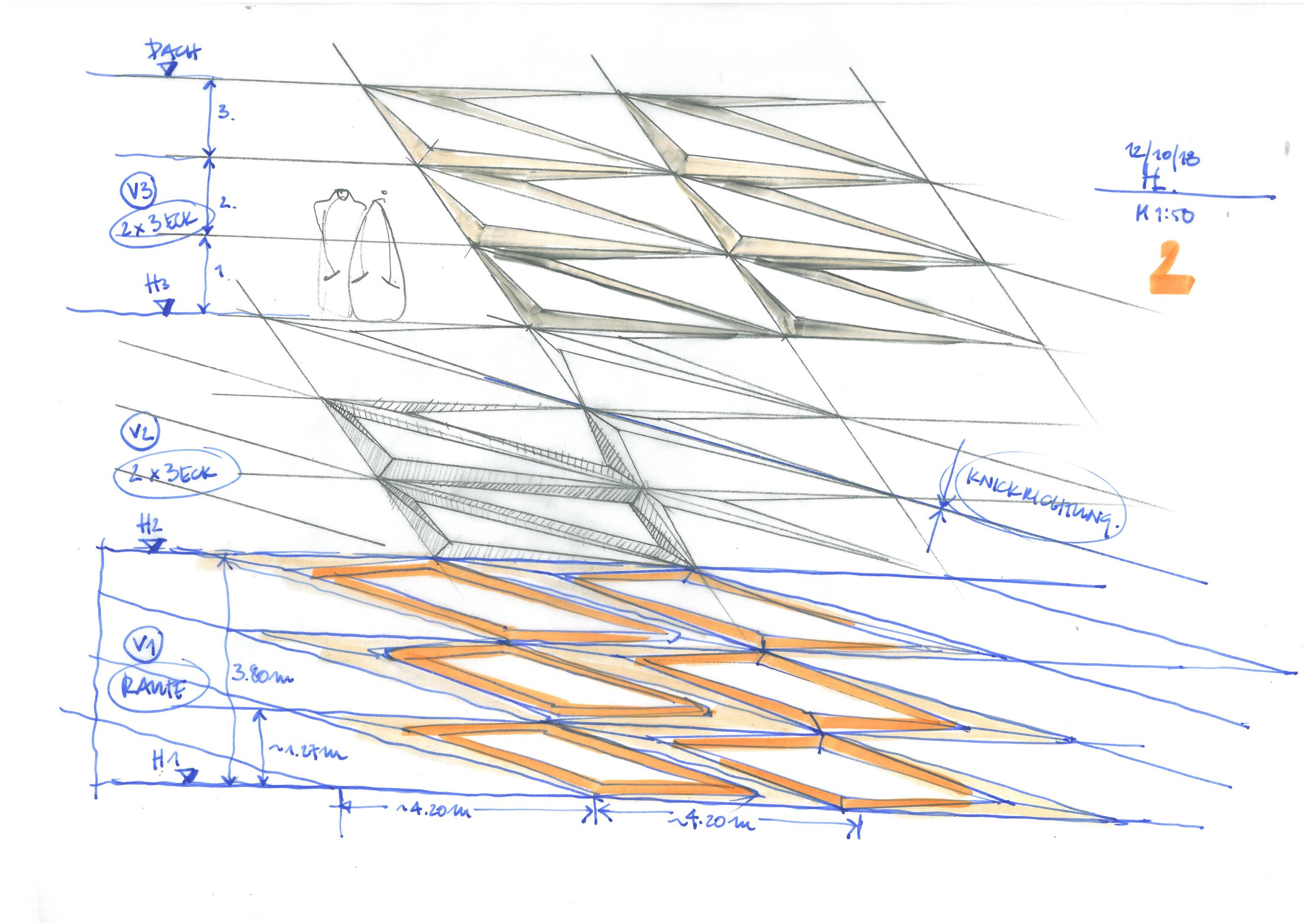
AGORA PÔLE DE RECHERCHE SURE LE CANCER
Lusanne, CH
2013–2018
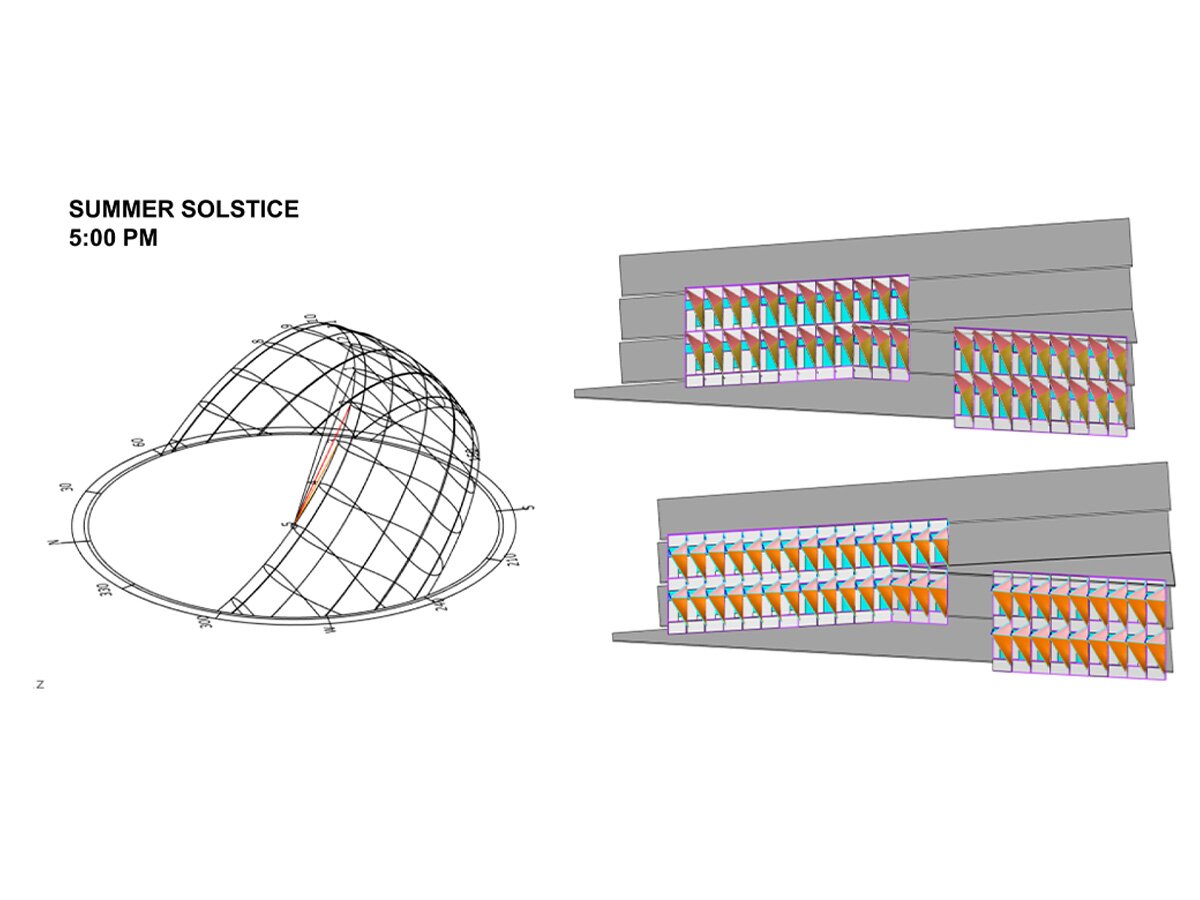
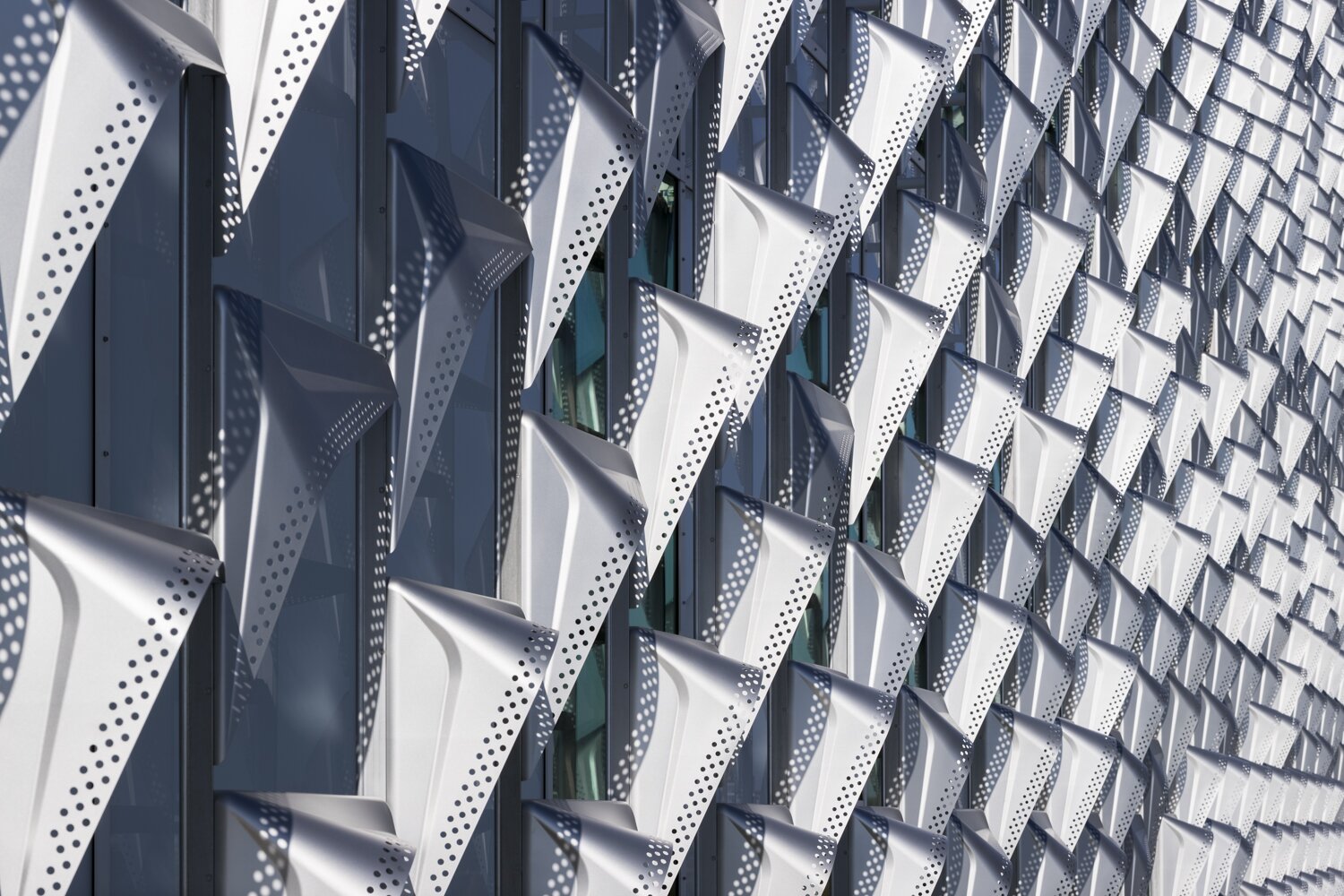
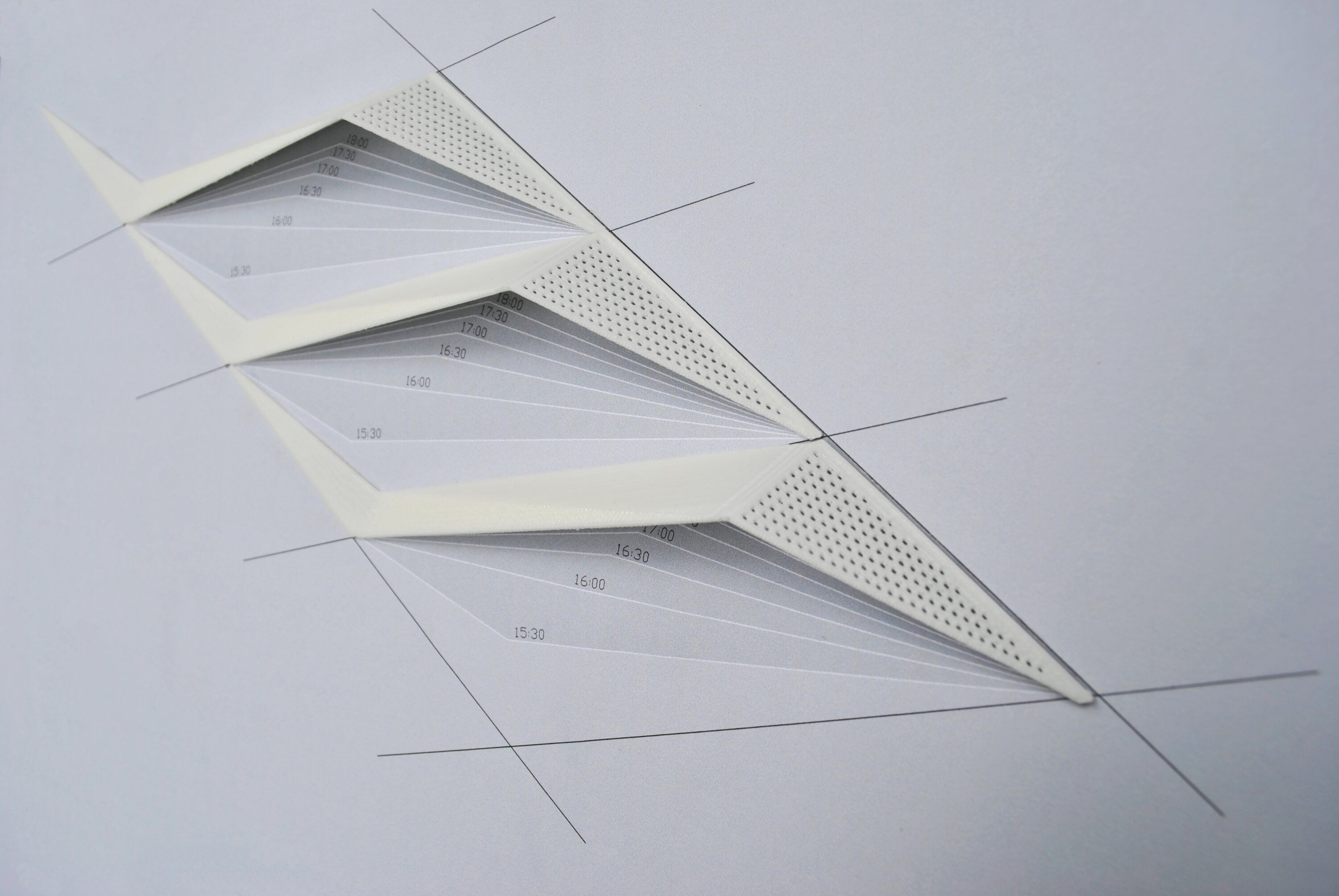
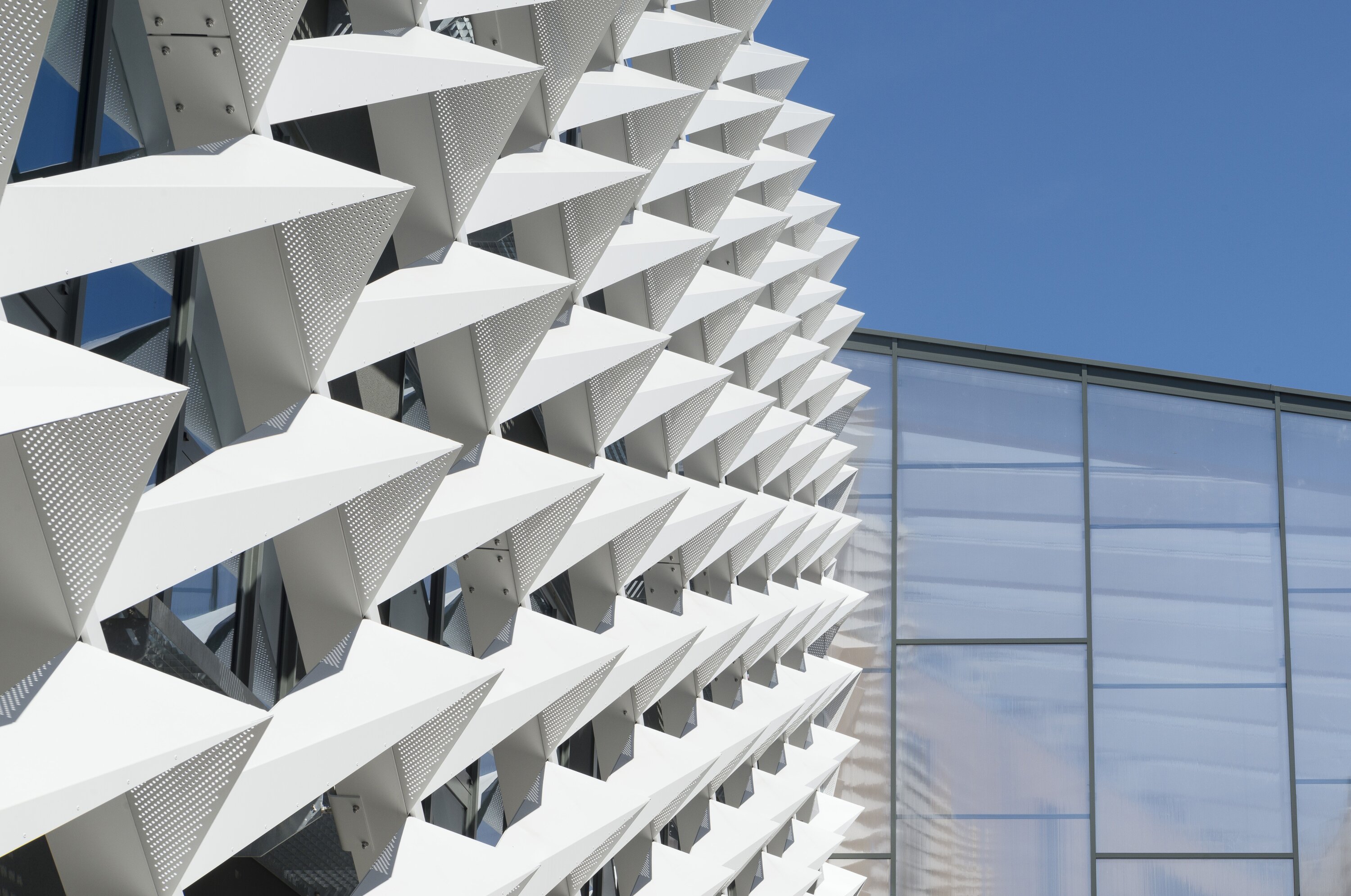
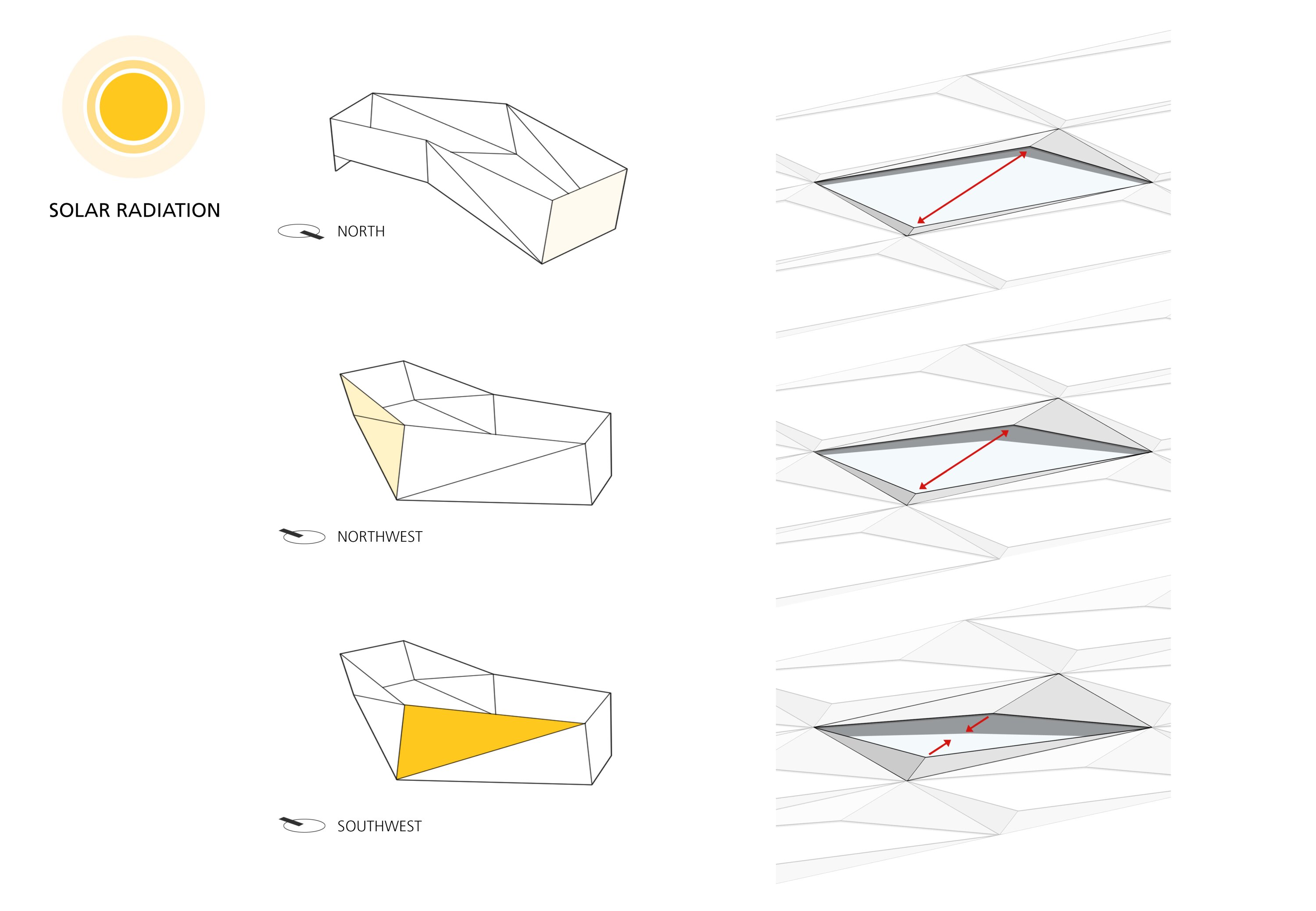
Facade elements are composed of two folded aluminum pieces that are joined together to resist bending
Diagram of solar radiation and ppertures
Related
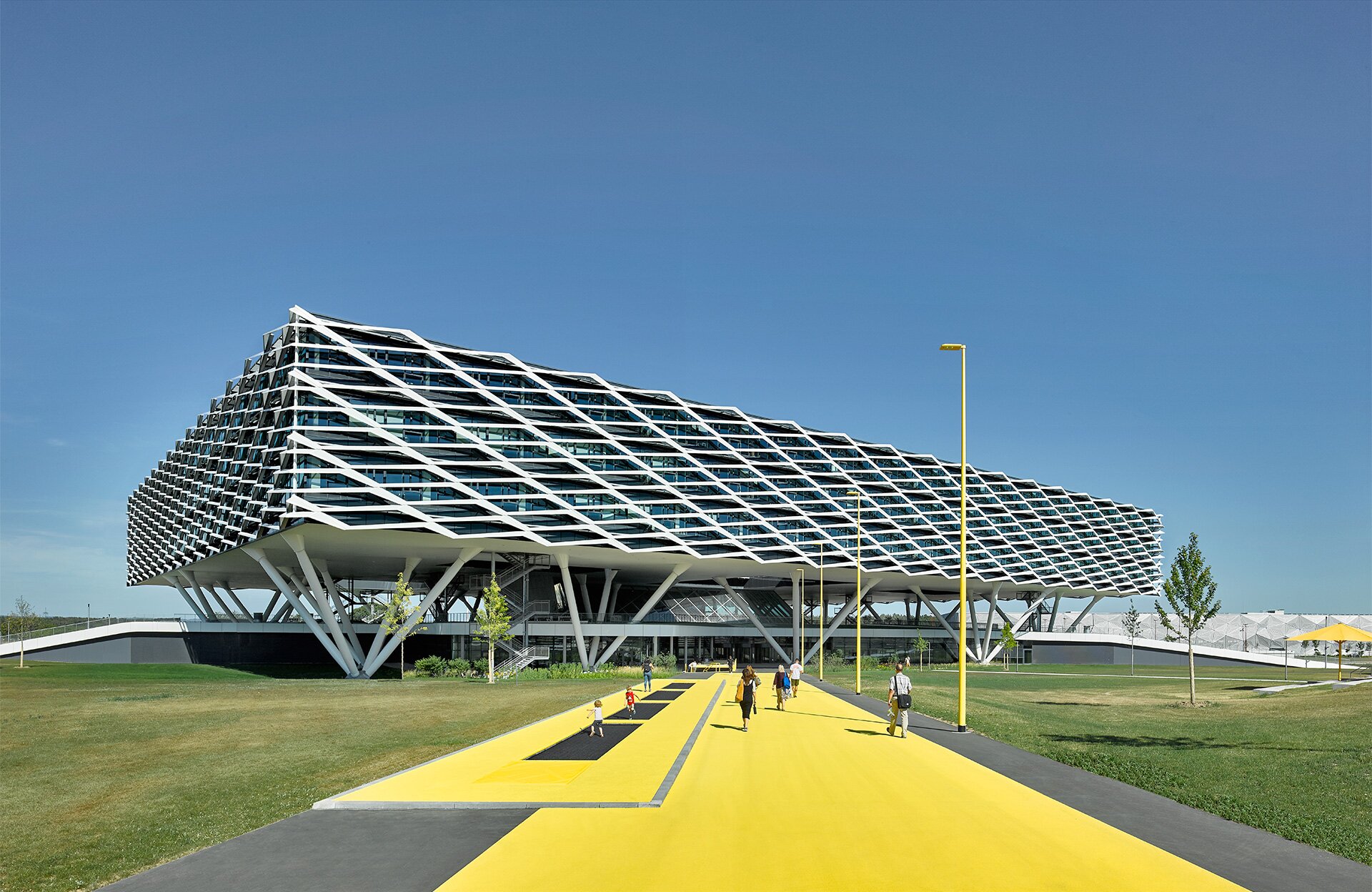
adidas ARENA
The Vagelos Laboratory for Energy Science & Technology, University of Pennsylvania
Harvard University Science and Engineering Complex (SEC)
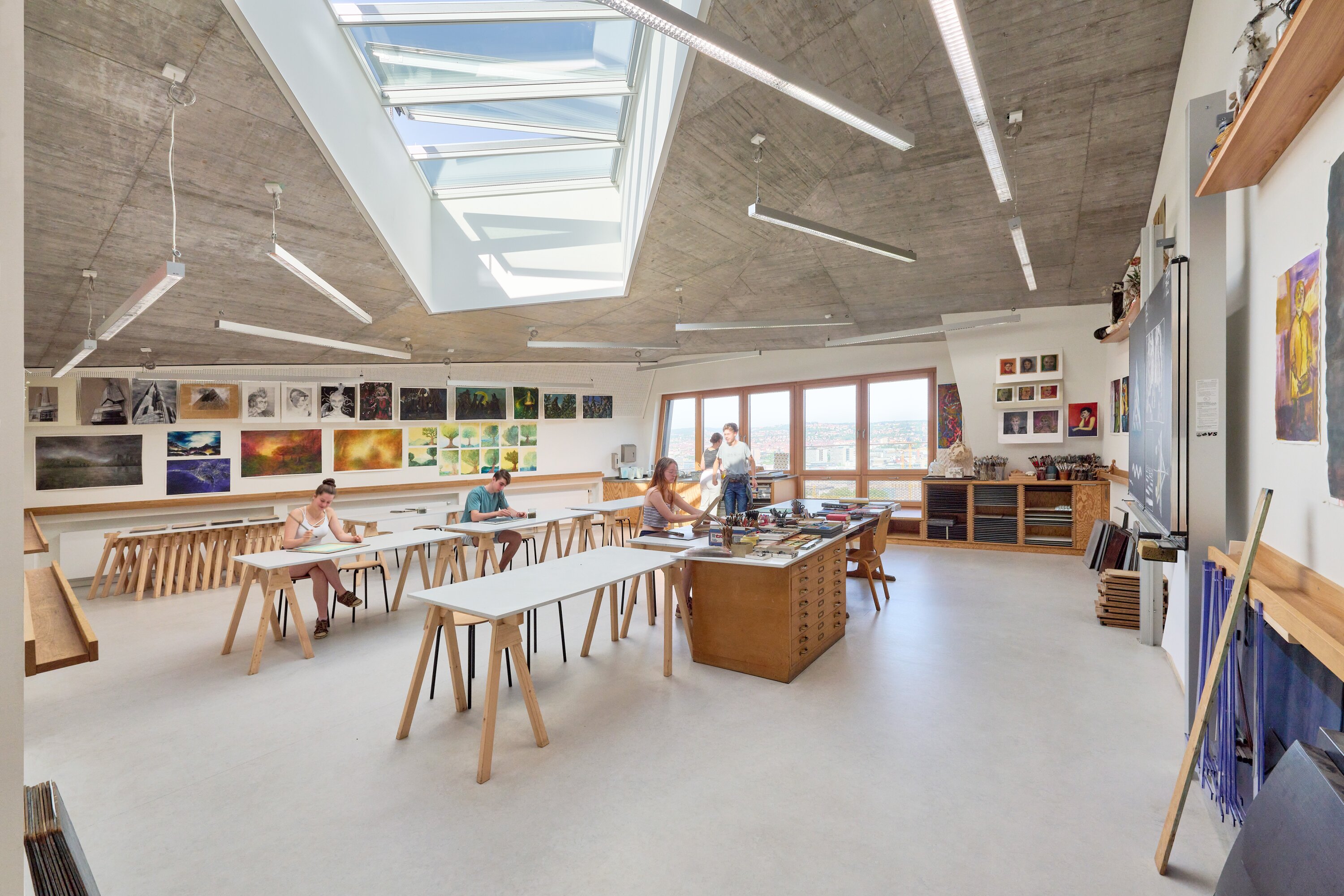
How we understand the role of educational spaces beyond architecture
- daylightoptimization
- innovation
- lowenergy
- publicspace
- sustainability
- participation
- flexibility
- innovativematerials
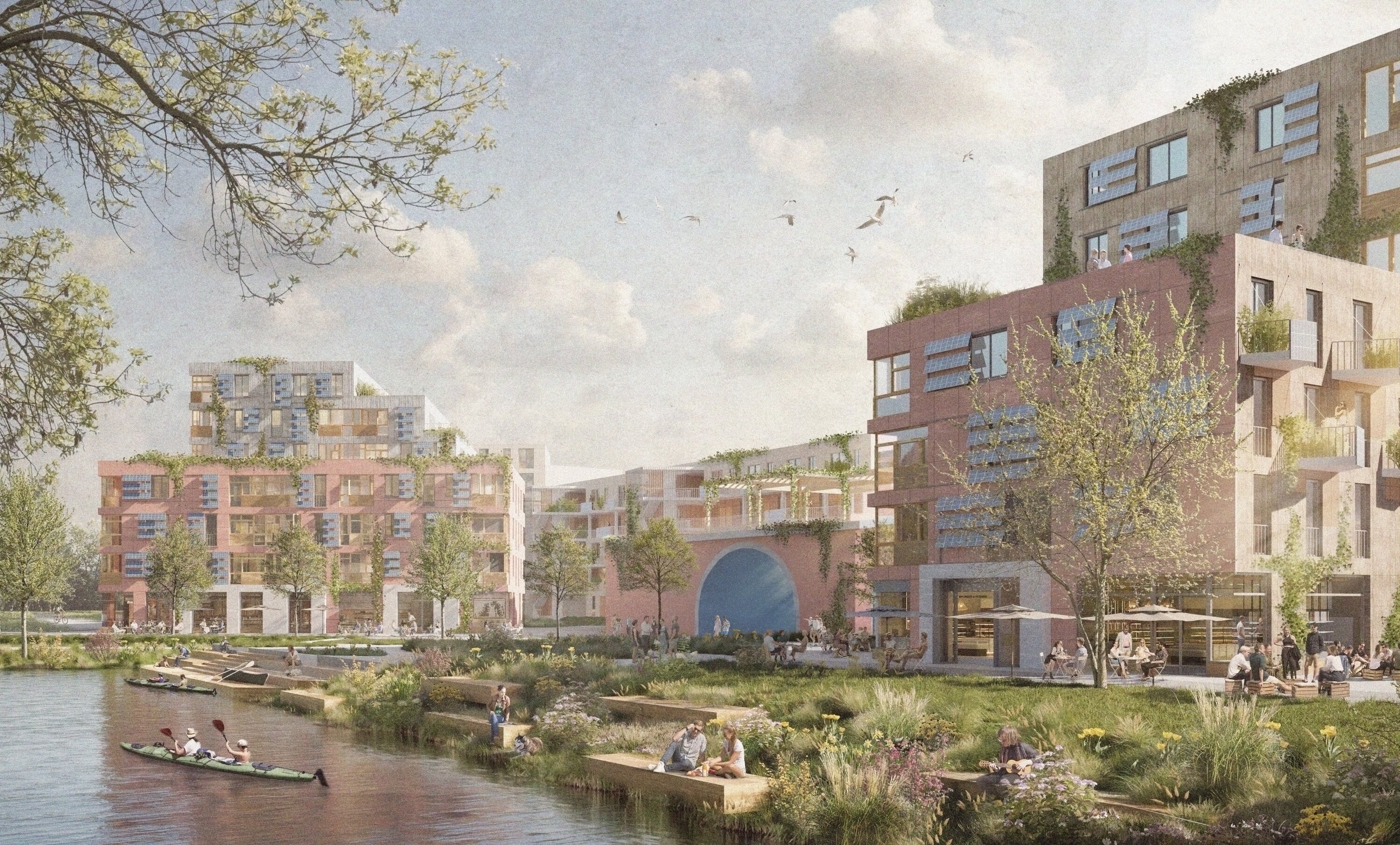
How a circular design approach can make our buildings better for the environment and its inhabitants
- adaptivereuse
- innovation
- lowenergy
- pilotproject
- sustainability
- circulareconomy
- energyefficiency
- innovativematerials