


Liquid biopsy is a an emerging blood-based method of analysis that can detect even minute amounts of tumor cells in a blood sample without requiring biopsies and histopathological examination. This will fill a gap in the capacity of many innovative cancer research projects at the DKFZ to detect cancers early, develop drugs, and monitor therapies.


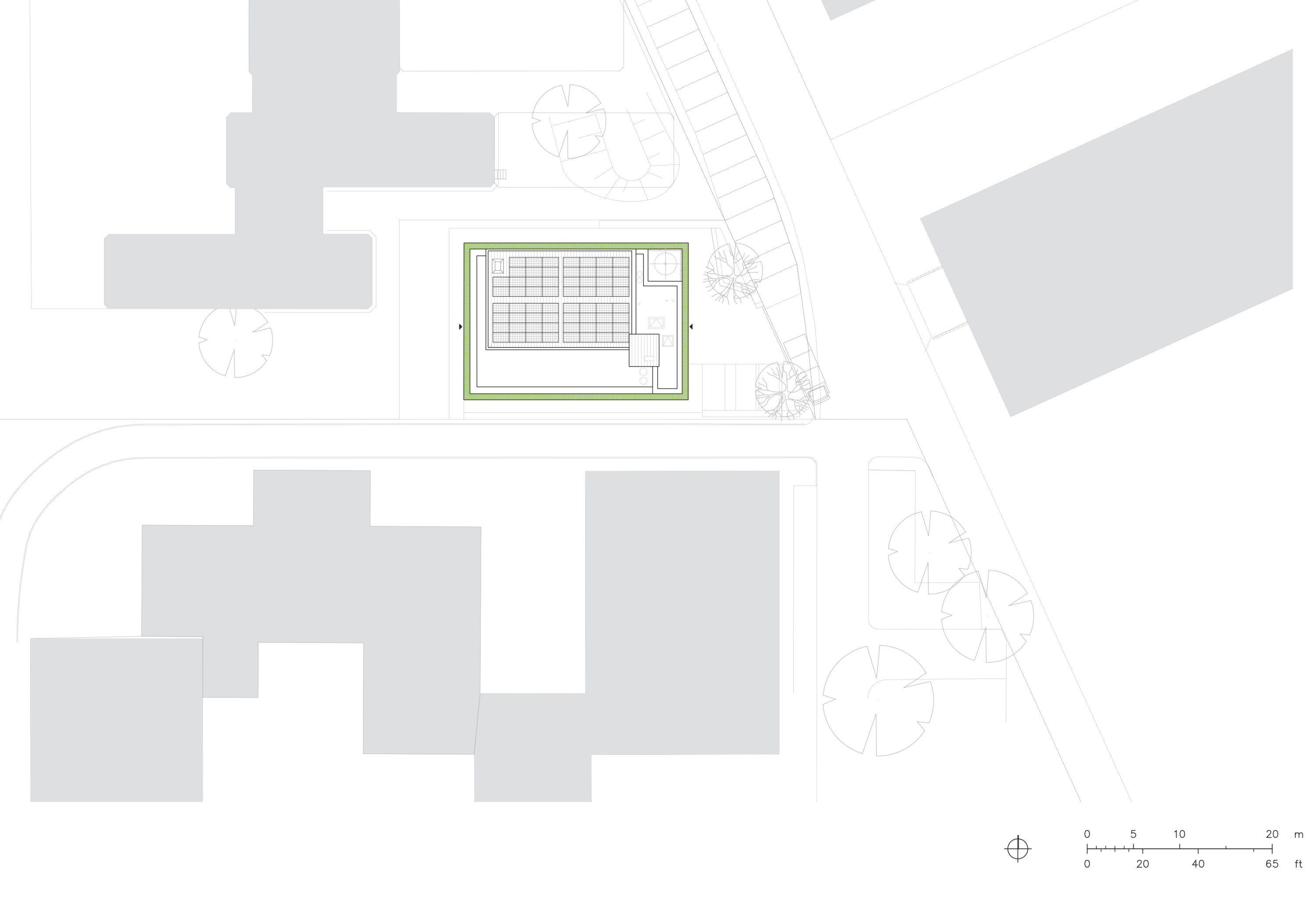
Site Plan
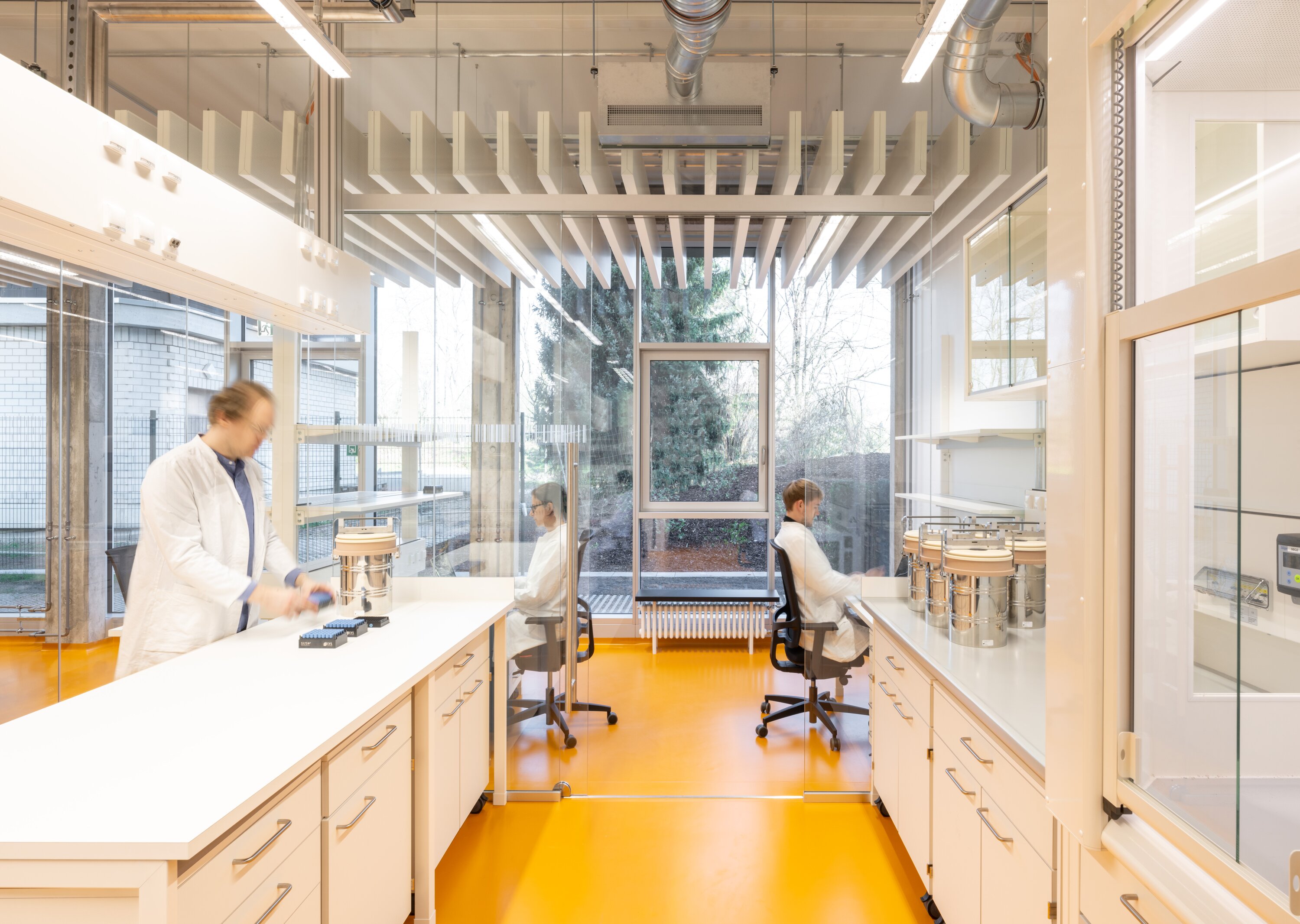
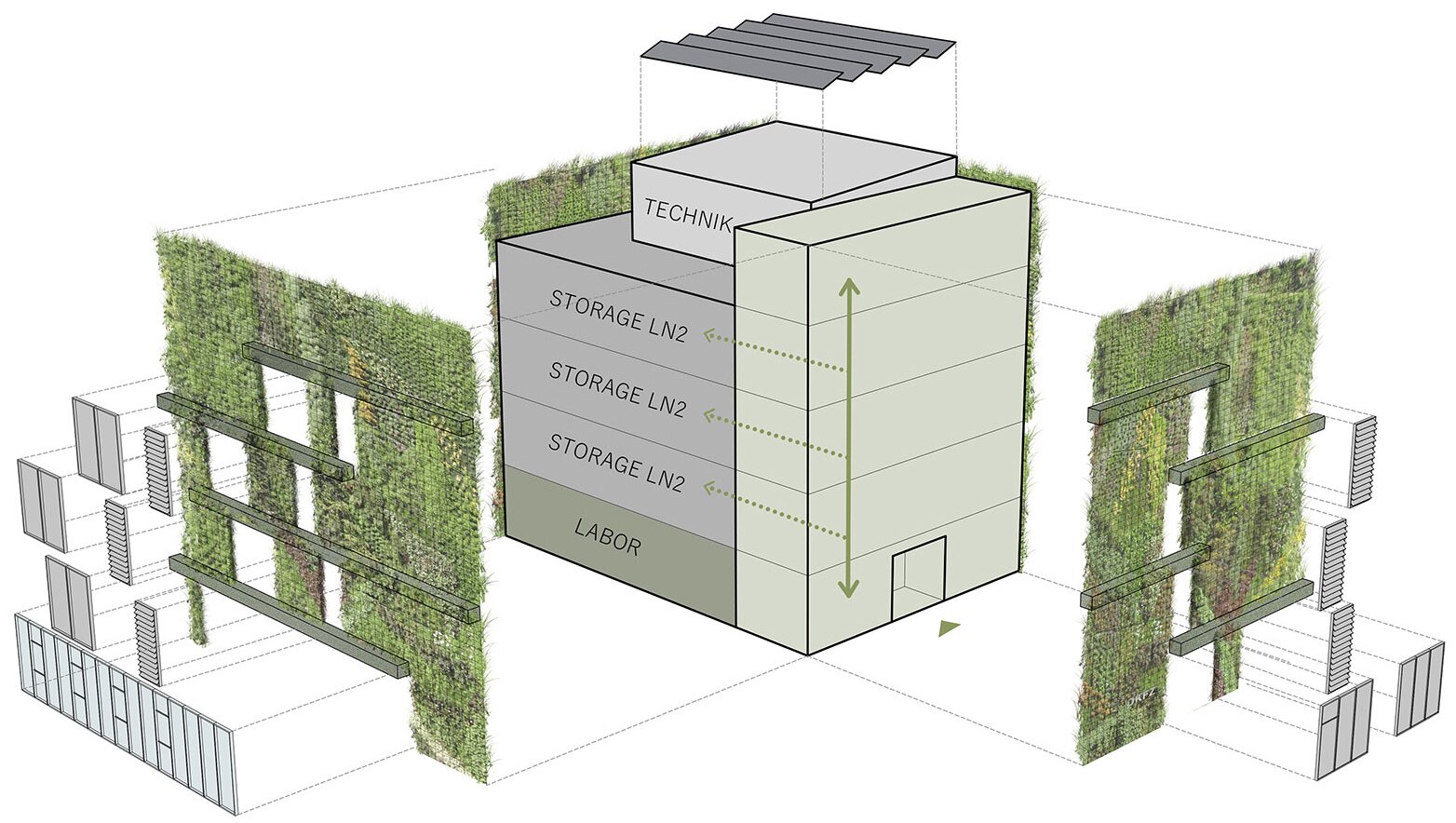
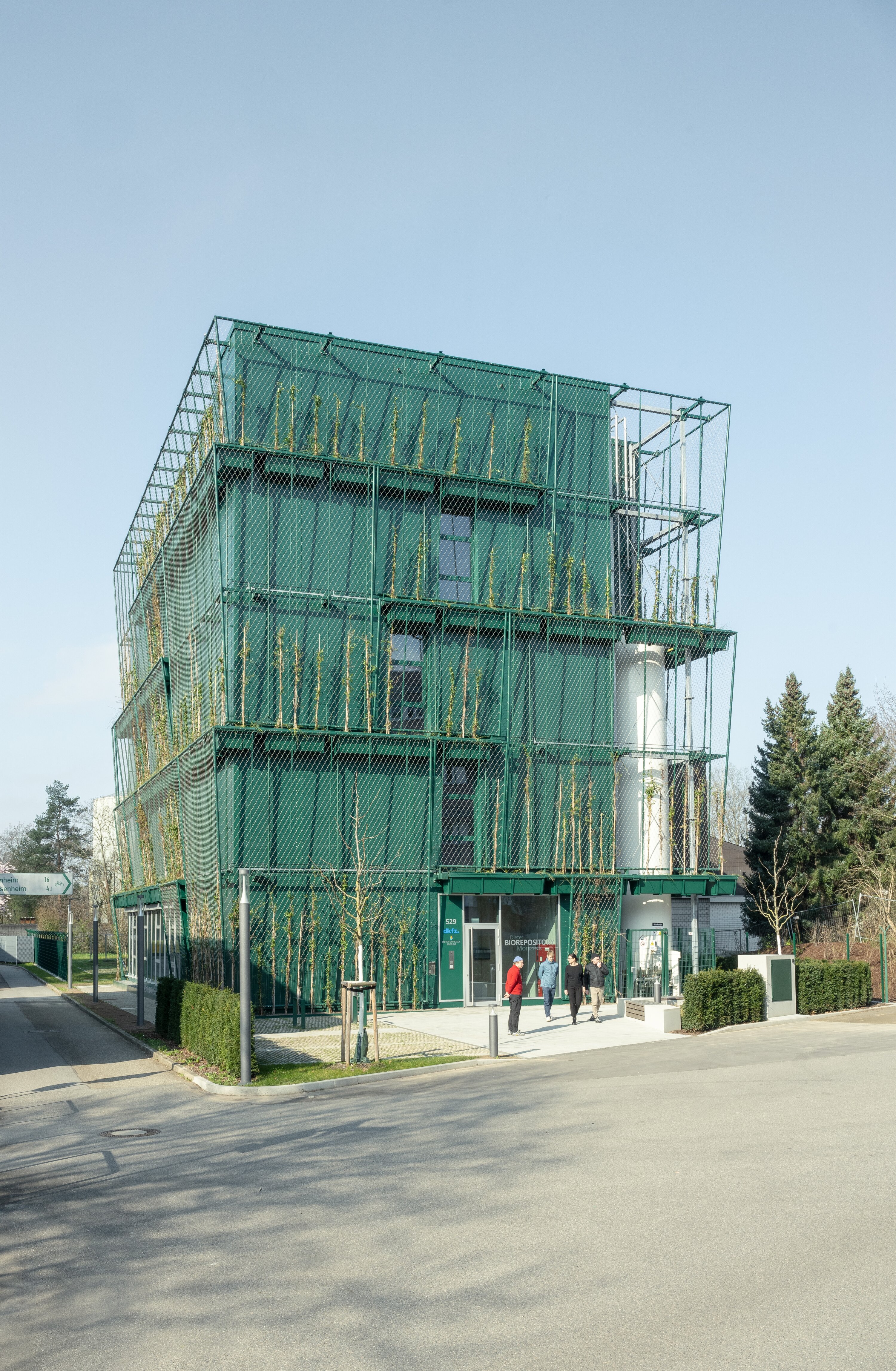
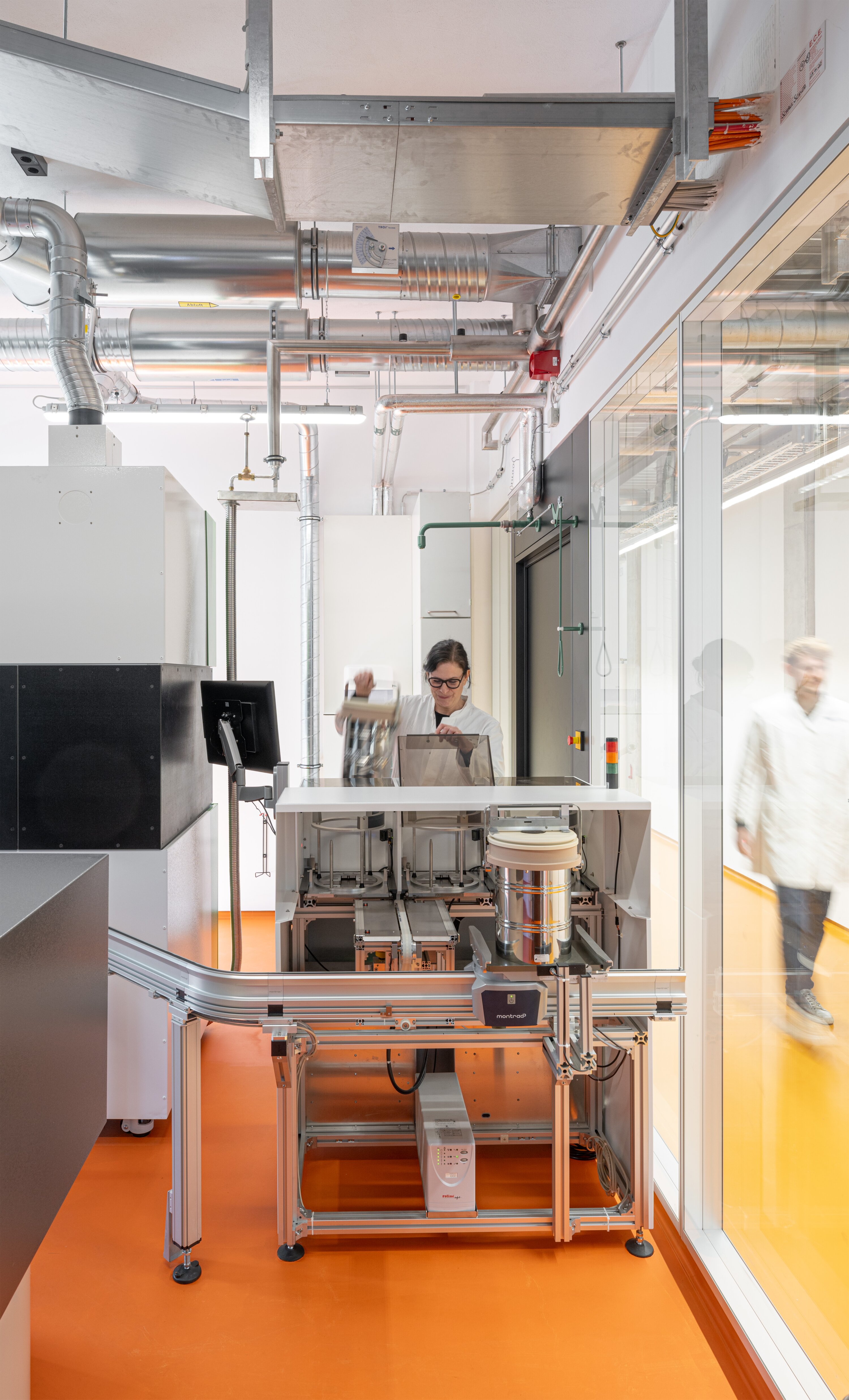
Located north of Neuenheimer Feld, adjacent to the Technology Park on Heidelberg University’s DKFZ Campus, the building is characterized by its compact form. It comprises a laboratory and functional areas on the first floor and three upper levels for storage, which serve as a biobank housing the nitrogen-filled containers used to freeze the cells. Essential technical services are situated on the top floor. The building’s eastern side houses the access and supply core with technical, sanitary, and infrastructural services. This core connects the research area with the three storage levels above.
- Client
- Deutsches Krebsforschungszentrum DKFZ Heidelberg
- Architects
- Behnisch Architekturbüro
- Address
Im Neuenheimer Feld 529
69120 Heidelberg
Germany- Gross Volume
8.350 cbm / 294,880 cu.ft
- Gross Area
1.600 qm / 17,222 sq.ft.
- Competition
2019 (VGV)
- Photography
David Matthiessen
- Downloads
-
Download PDF

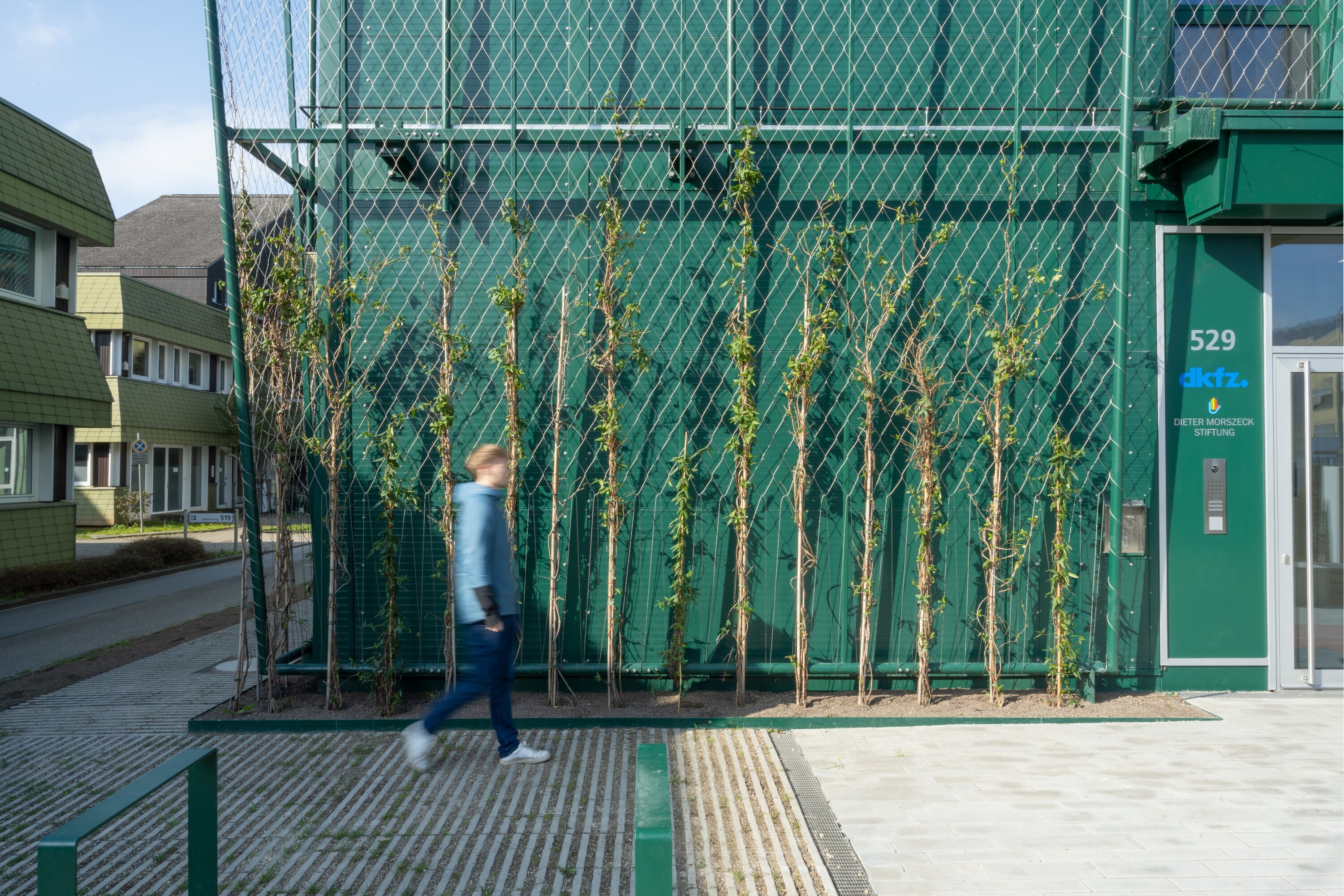
The only openings in the upper stories are those required for functional purposes: access points for storage containers, vents for supply and exhaust air, windows in the stairwell, and emergency exits with ladders. The facade system enables vertical greening with a network of climbing supports and a trellis that extends to the top of the building. This support structure is designed to guide evergreen climbing plants chosen specifically for their suitability to the varying growing conditions on each side of the building. The nitrogen is stored in an external tank nestled between the building envelope and the green facade.