



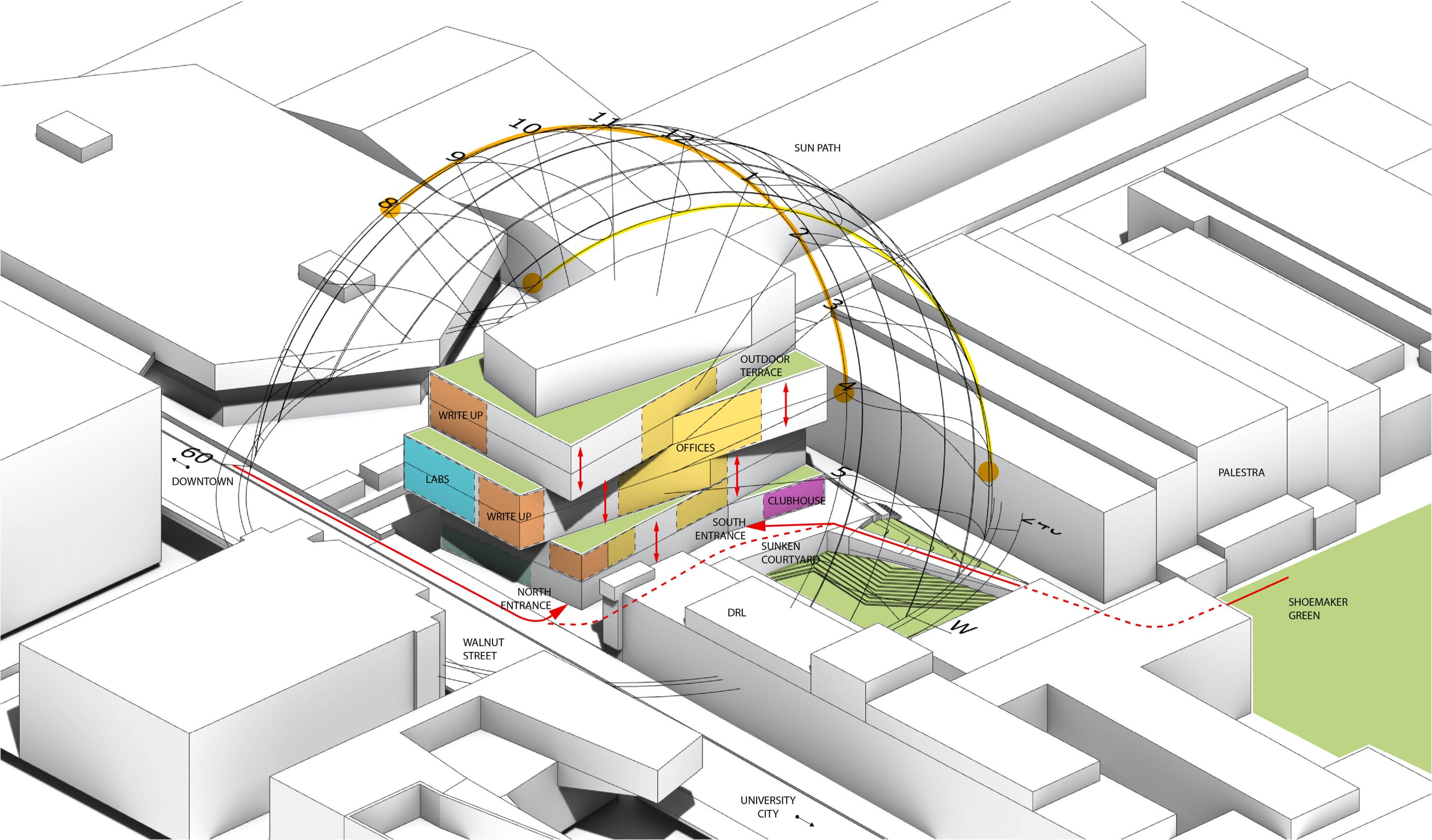
Solar and Massing Diagram
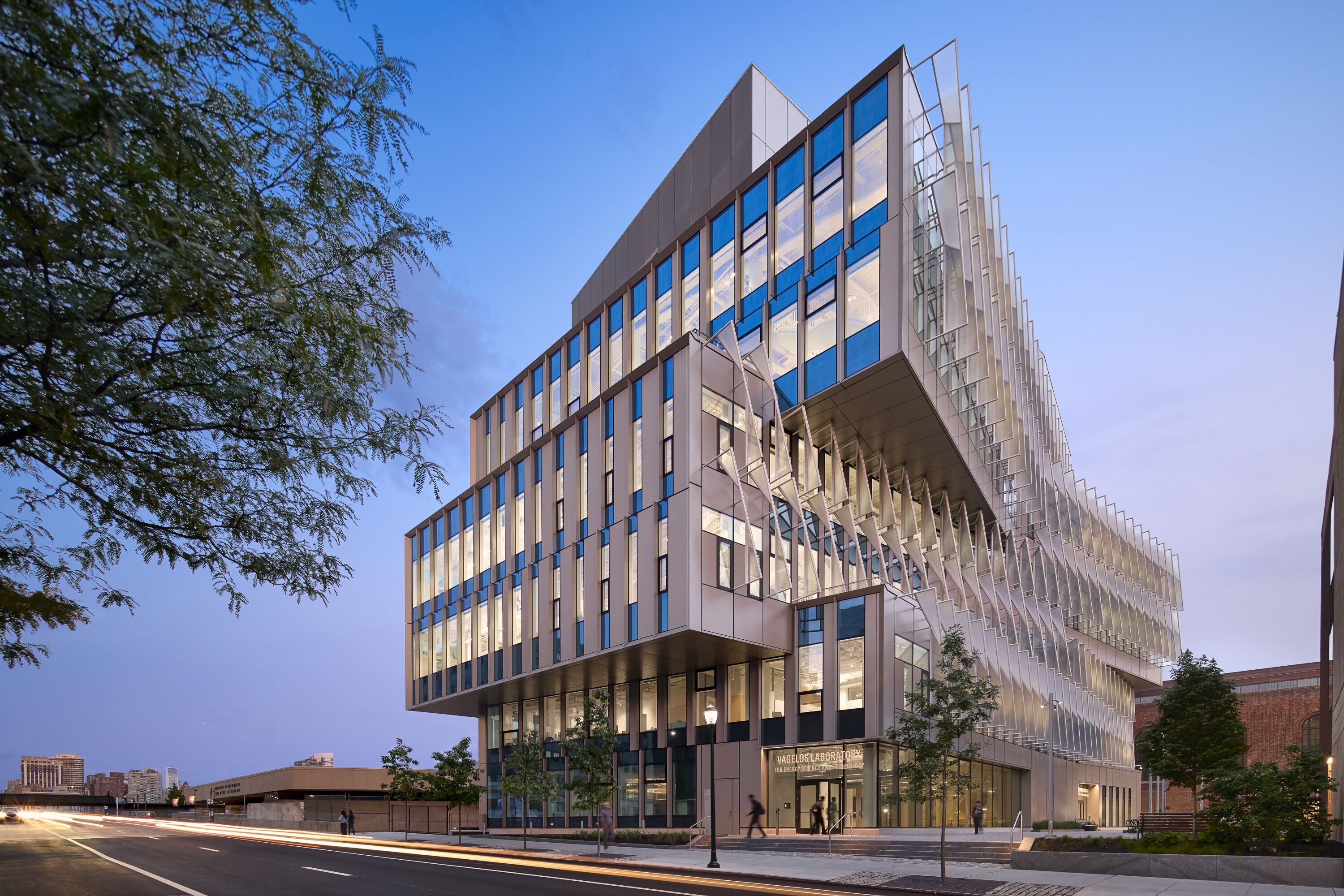
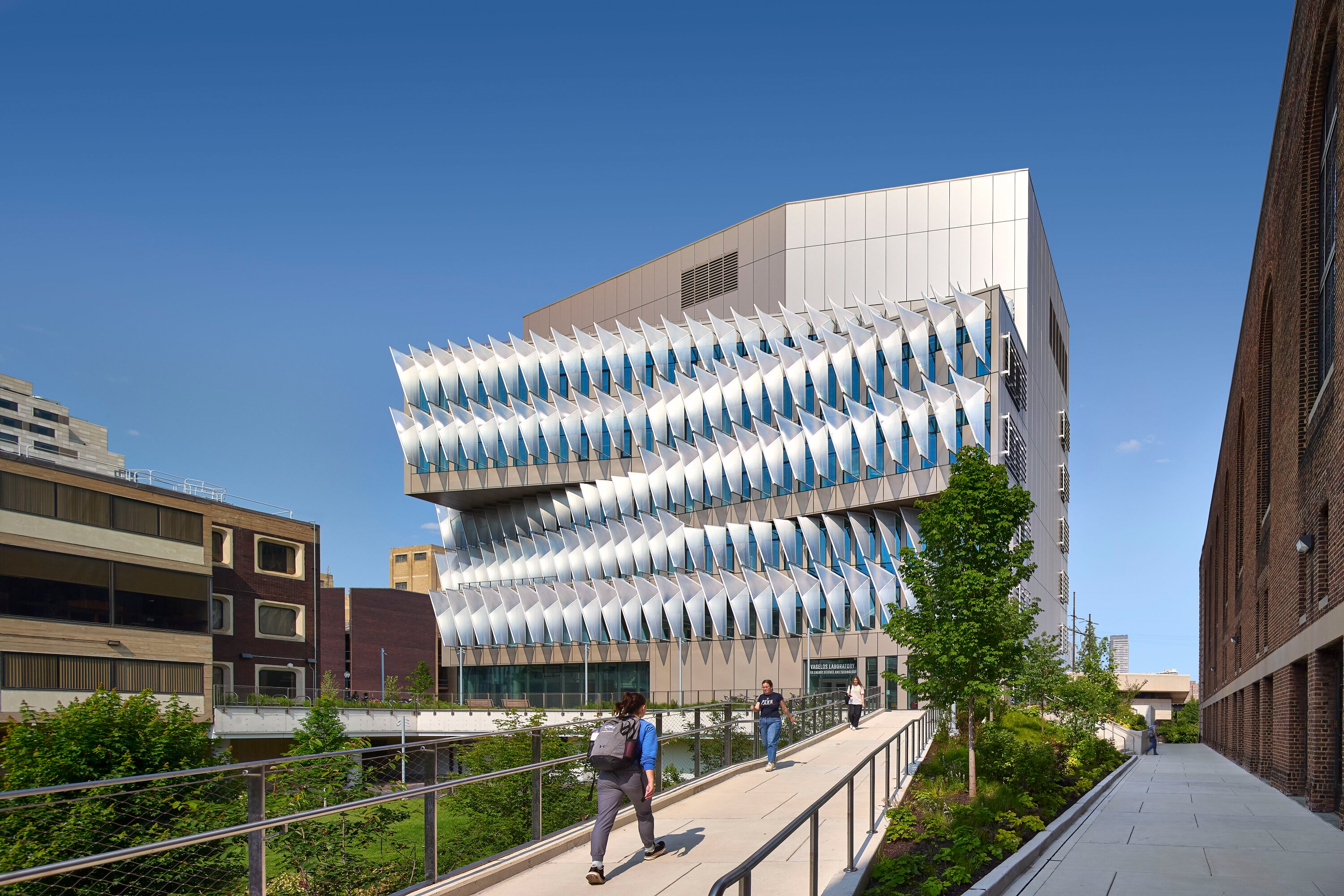
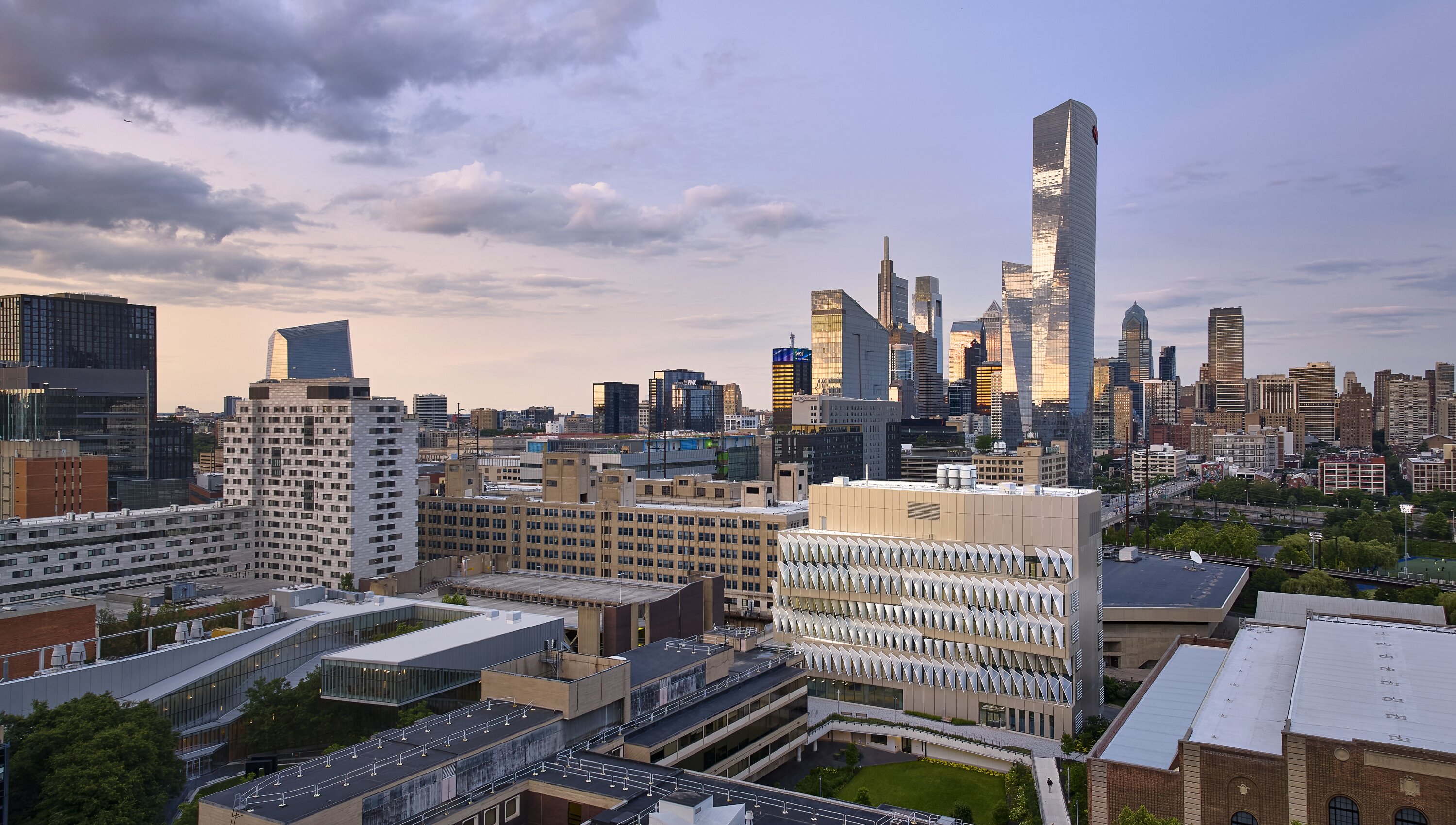
Located on the eastern edge of the campus, the project transforms a former parking lot into a pedestrian-friendly gateway that raises public awareness of the critical role energy research plays in combating climate change. The building features a courtyard with bio-retention swales and native plants, emphasizing its commitment to sustainability. The architectural design reflects the facility's energy-conscious mission, integrating passive and technical innovations to optimize energy performance.
- Client
- Facilities and Real Estate Services University of Pennsylvania
- Architects
- Behnisch Architekturbüro
- Address
3200 Walnut Street
19104 Philadelphia, PA
United States- Gross Area
10.219 qm / 110,000 sq.ft.
- Gross Volume
56,600 cbm / 2,000,000 cu.ft
- Competition
2019
- Photography
Brad Feinknopf
- Certification
LEED Platinum by the U.S. Green Building Council
- Awards
2025 Vitruvian Honors & Awards, winner
2025 Groundbreaking Award, nomination
2026 Green Good Design Award- Links
- Downloads
-
Download PDF

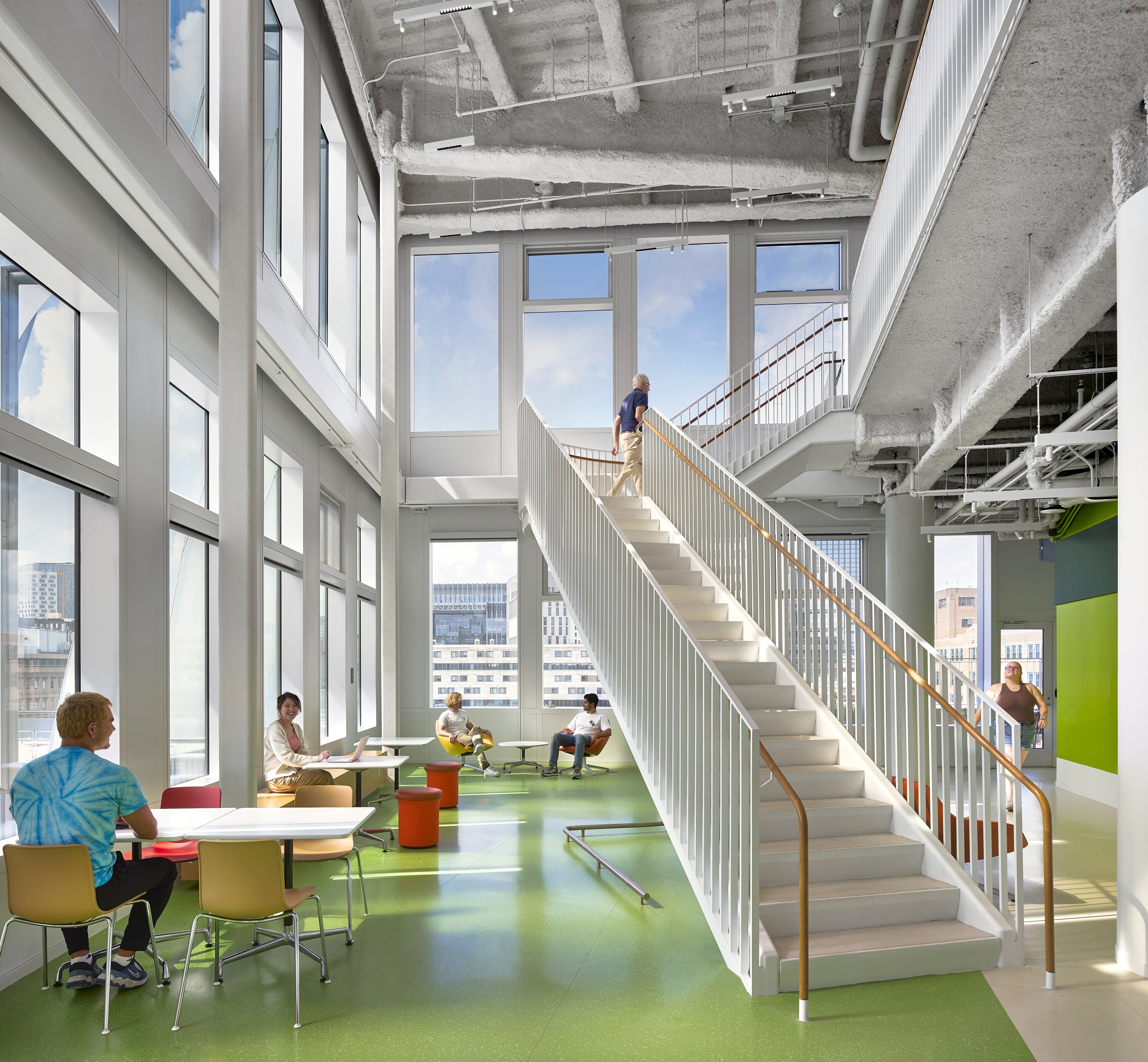

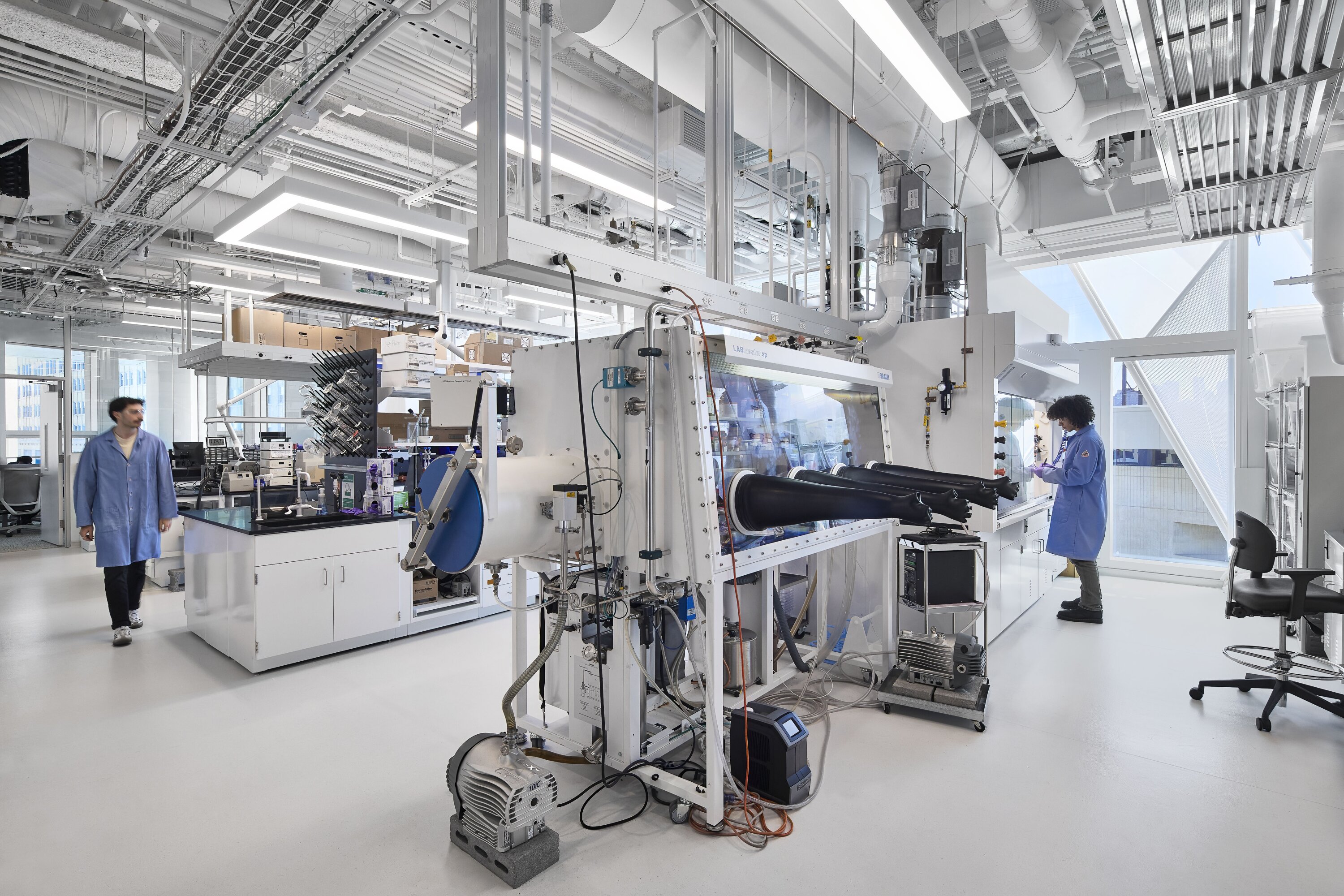

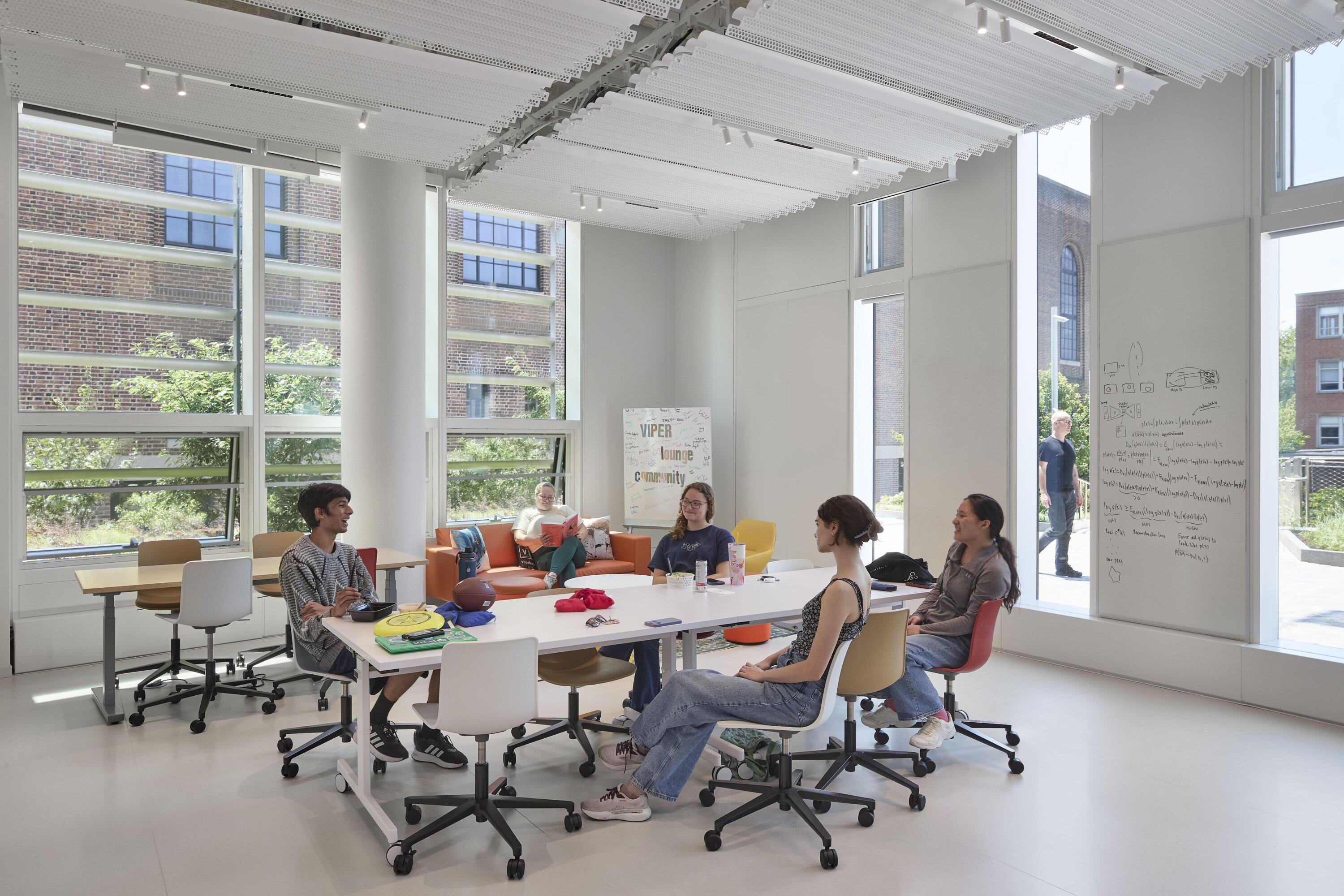

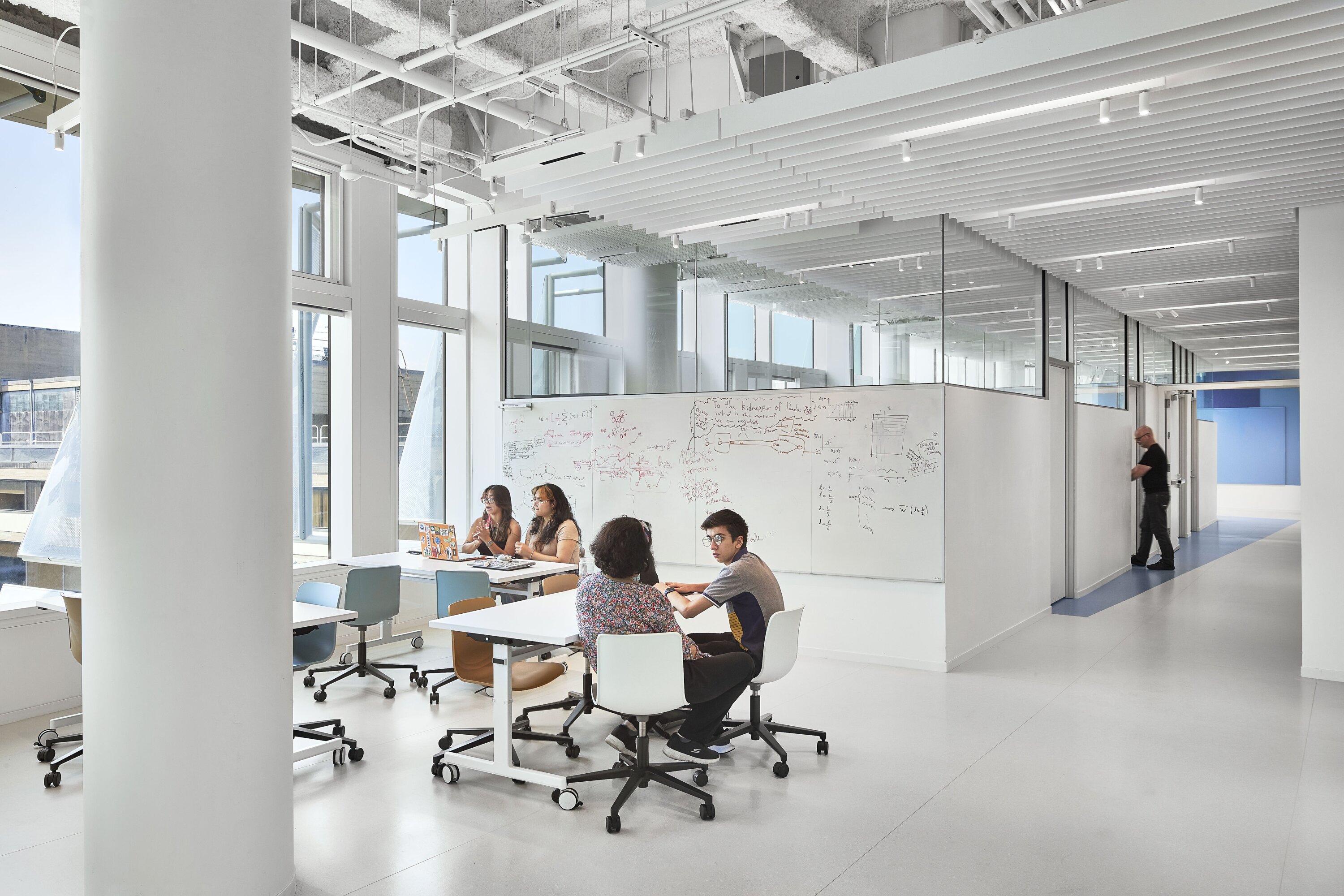
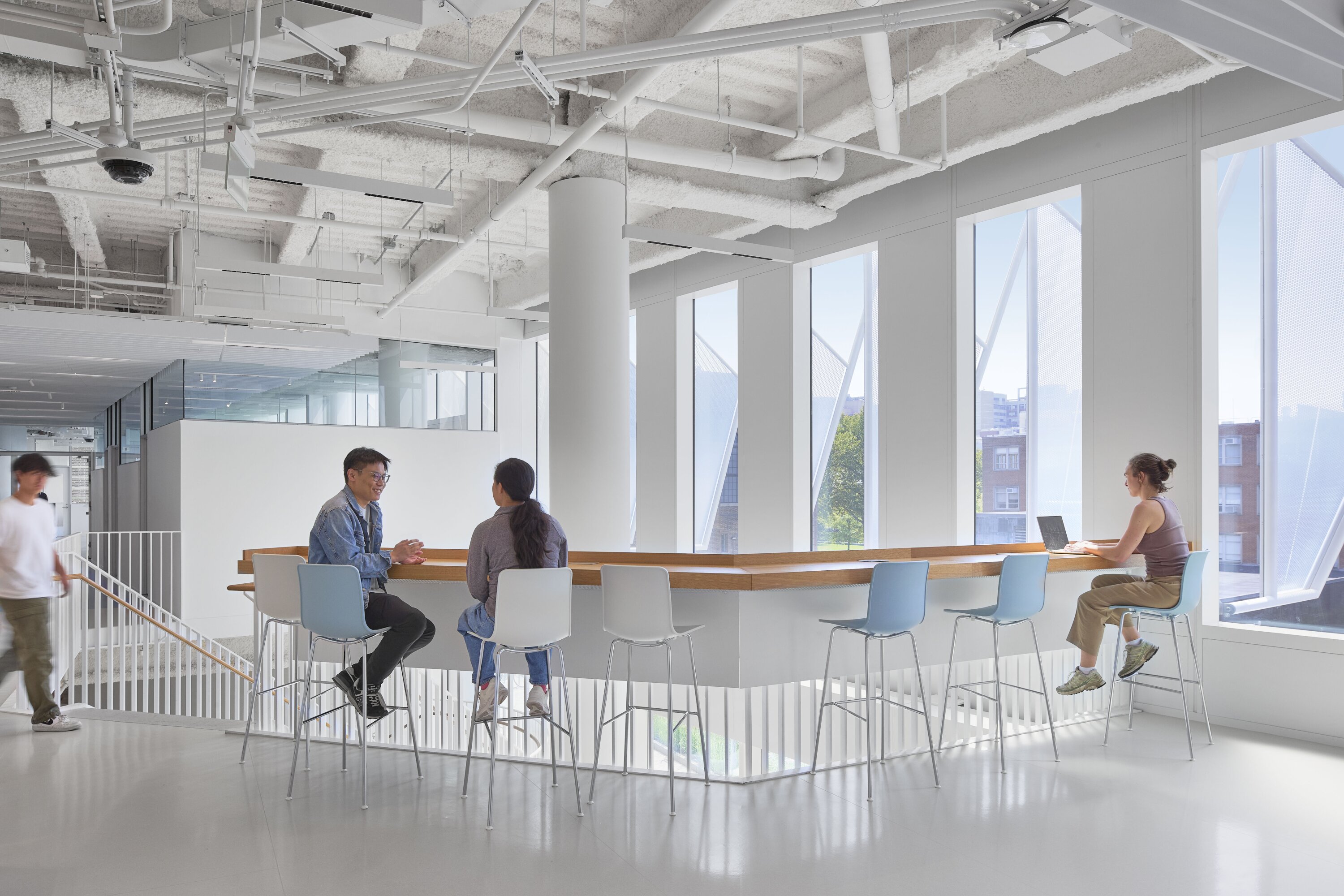
The VLEST is designed to serve as a gateway to the campus, bridging the height difference between Walnut and 32nd Streets. It introduces a plaza deck, creating a pedestrian link between Walnut Street and the Palestra, the university's historic basketball arena, while also connecting with Shoemaker Green. The building includes high-performance labs, office spaces, and collaboration areas, with double-height spaces fostering interaction. The labs are strategically placed along the eastern facade, offering views of the Schuylkill River. The building incorporates a range of passive design strategies, such as operable windows for natural ventilation and a high-efficiency heat recovery system to reduce energy use.


Site Plan

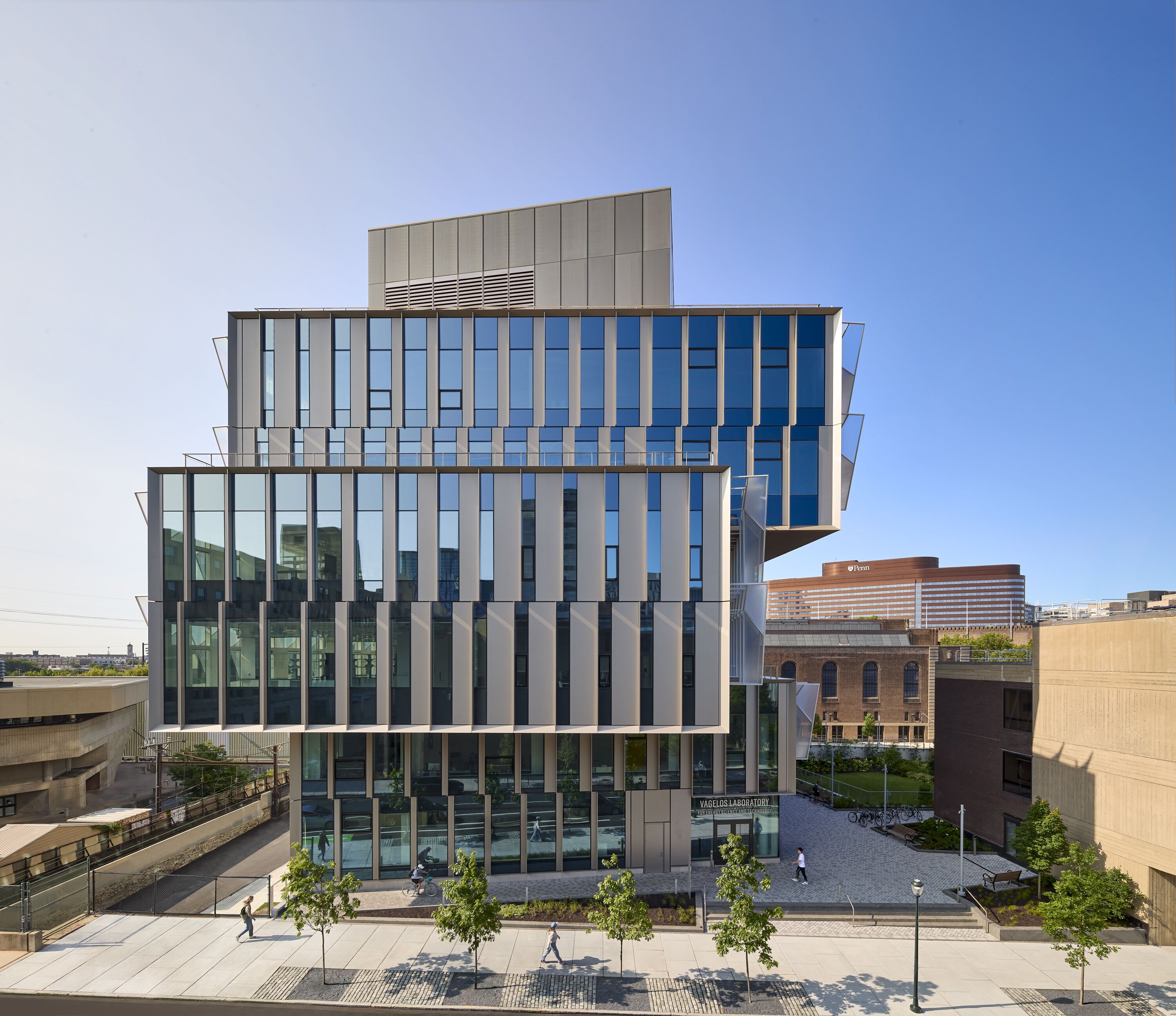

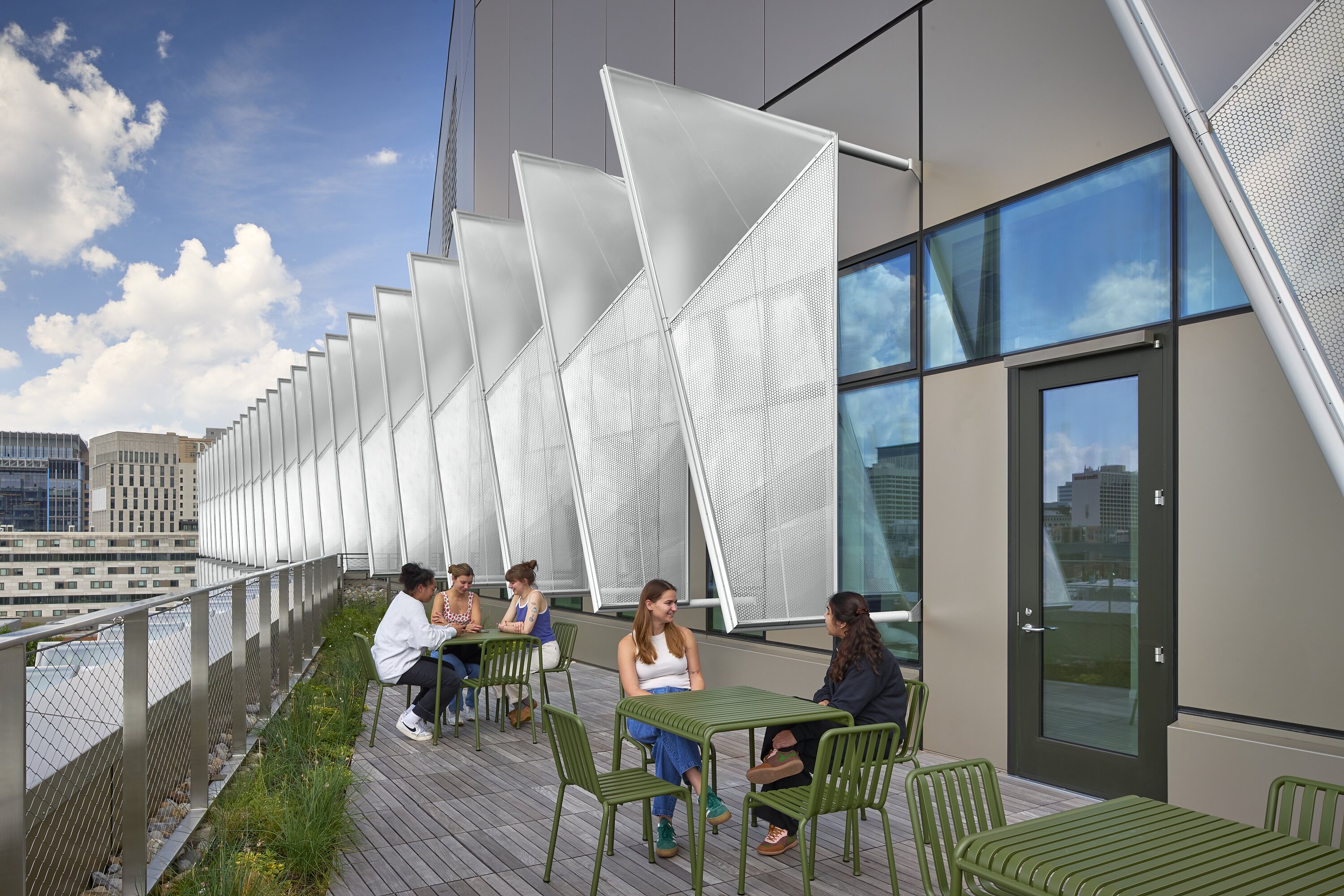

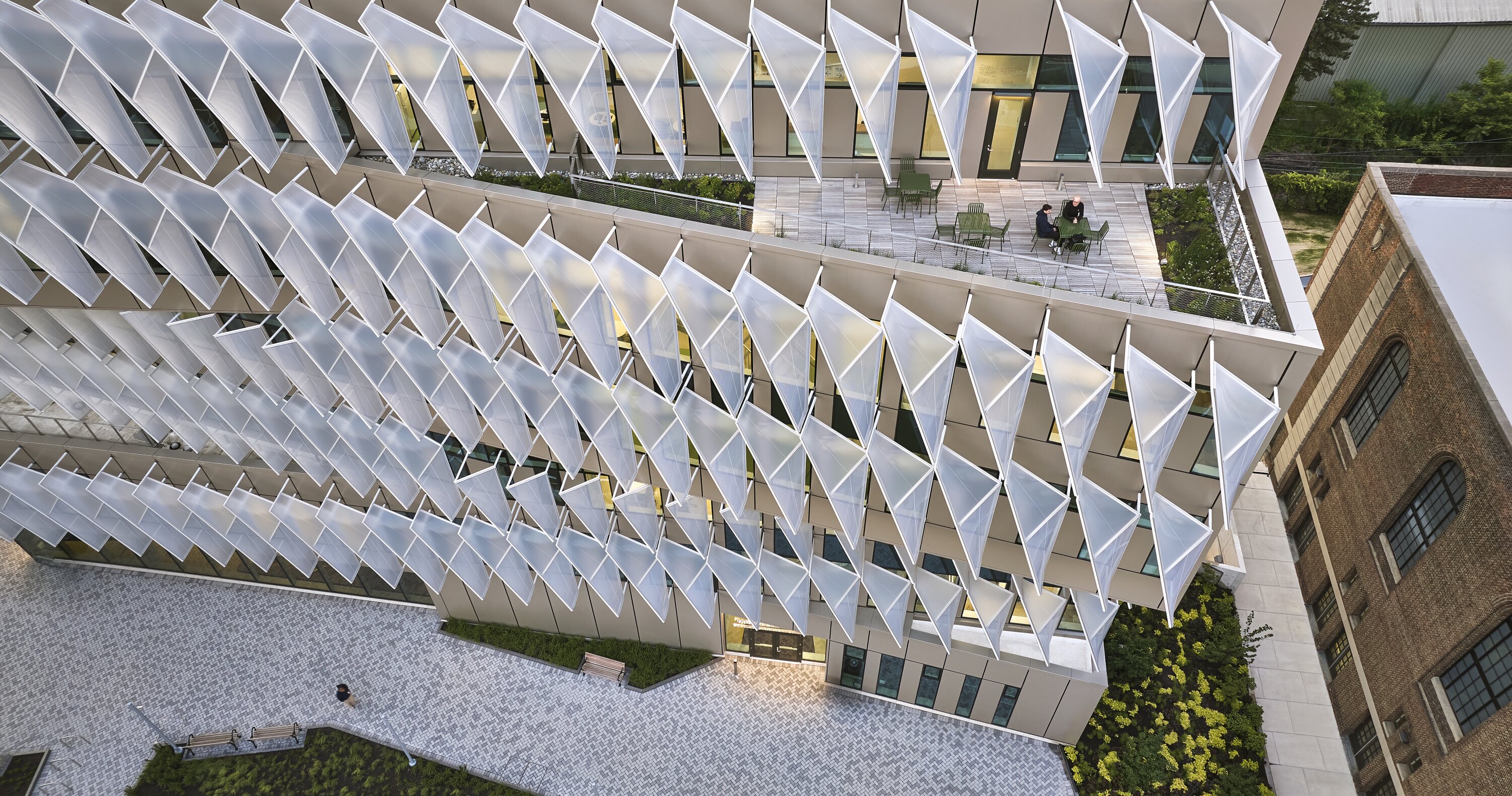

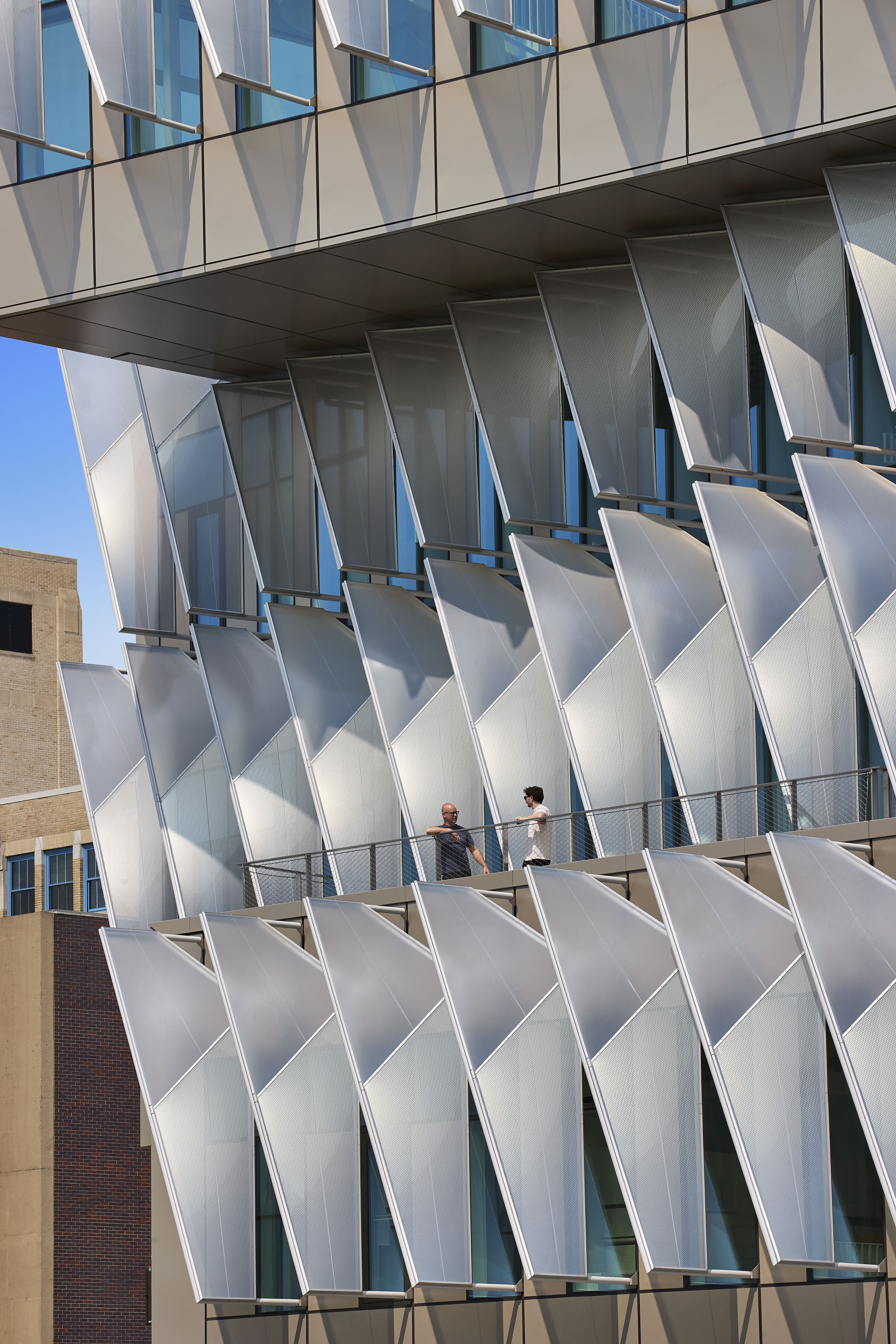
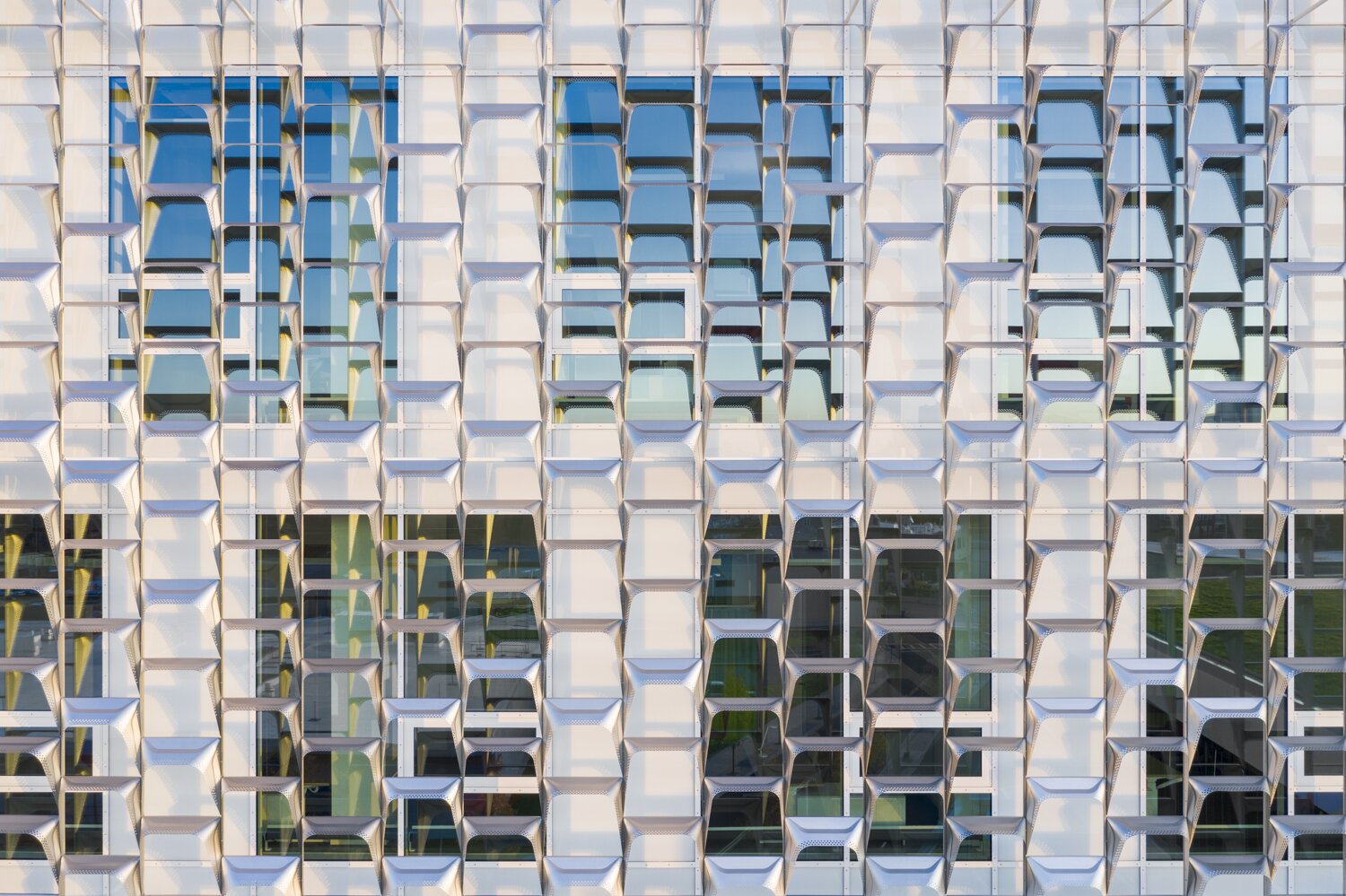
Sustainability is central to the design, with a focus on achieving LEED Platinum certification. The building is divided into low and high-energy zones to optimize HVAC systems and passive strategies. Additionally, radiant heating and cooling systems ensure occupant comfort, and an automated Aircuity system adjusts air flow based on environmental conditions. The building's energy strategy contributes to the university's carbon neutrality goal by 2042. With innovative sunshades designed with advanced materials and a commitment to circularity, the VLEST demonstrates how architecture can support sustainable energy research while fostering collaboration and environmental stewardship.


Integrated Design Diagram