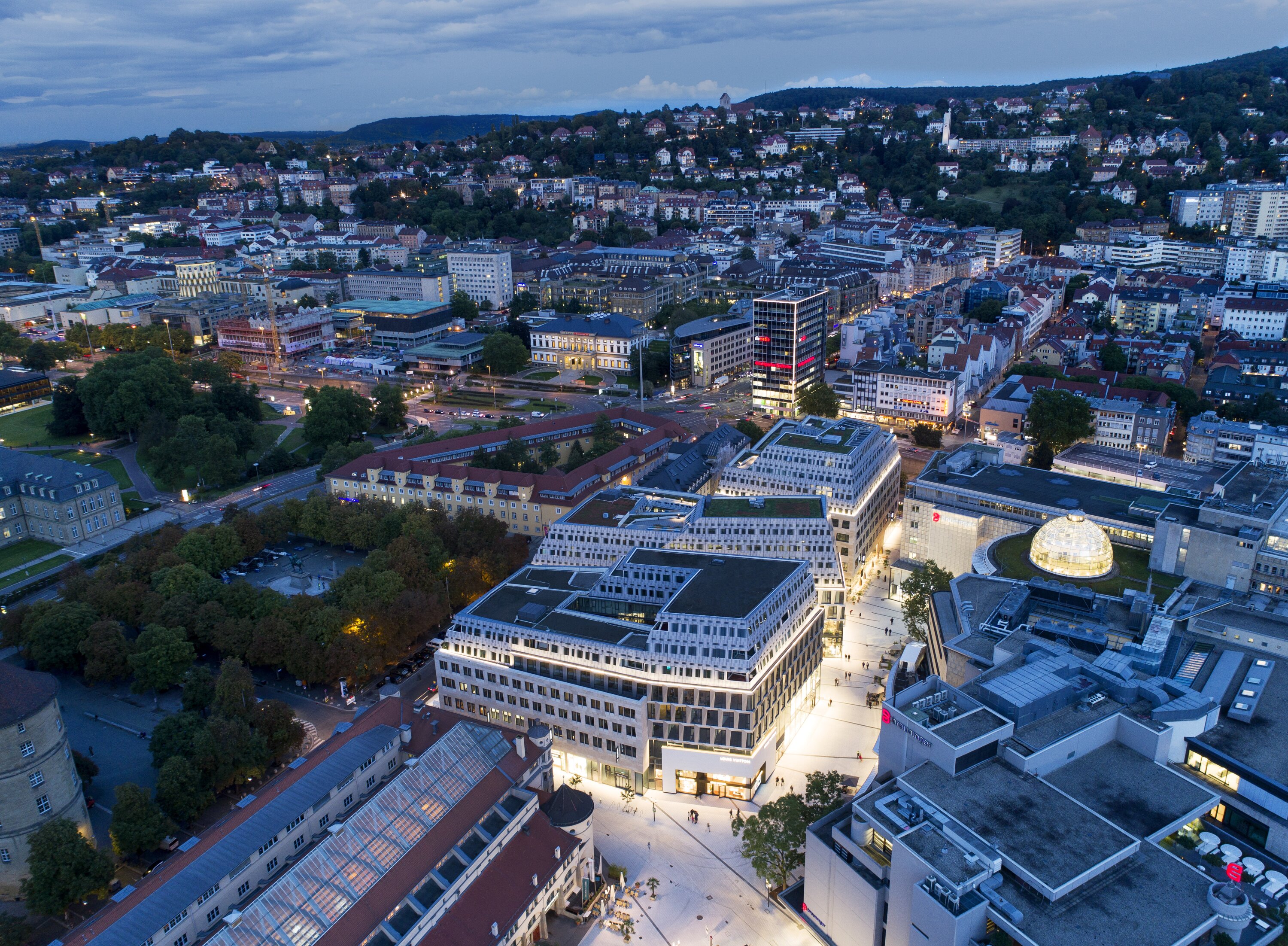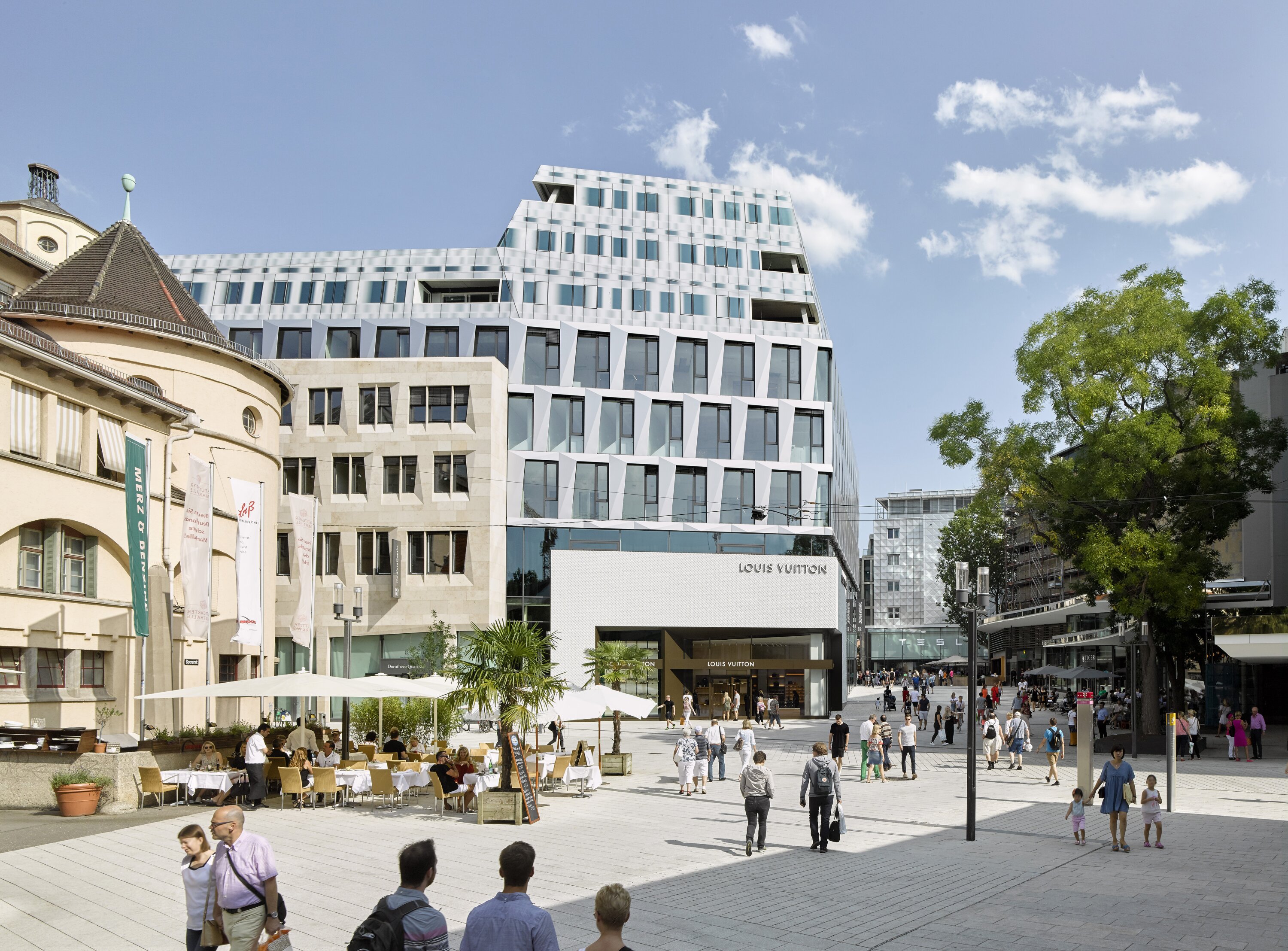



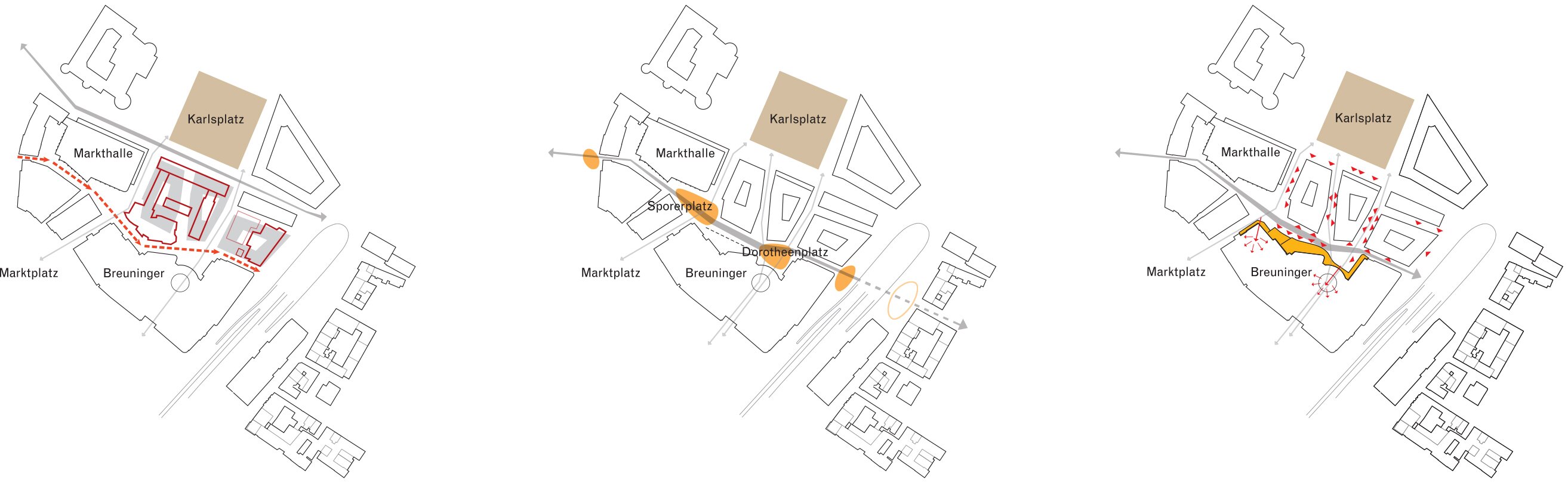
The re-planning of the Dorotheen Quartier not only created new public spaces but also offered an opportunity to reassess its relationship with the Karlsplatz arcade. Previously regarded as the site’s secondary back side—located behind the Breuninger Department Store and leading toward Sporerstraße and Karlstraße—this thoroughfare has been reimagined as a vital part of the urban fabric.

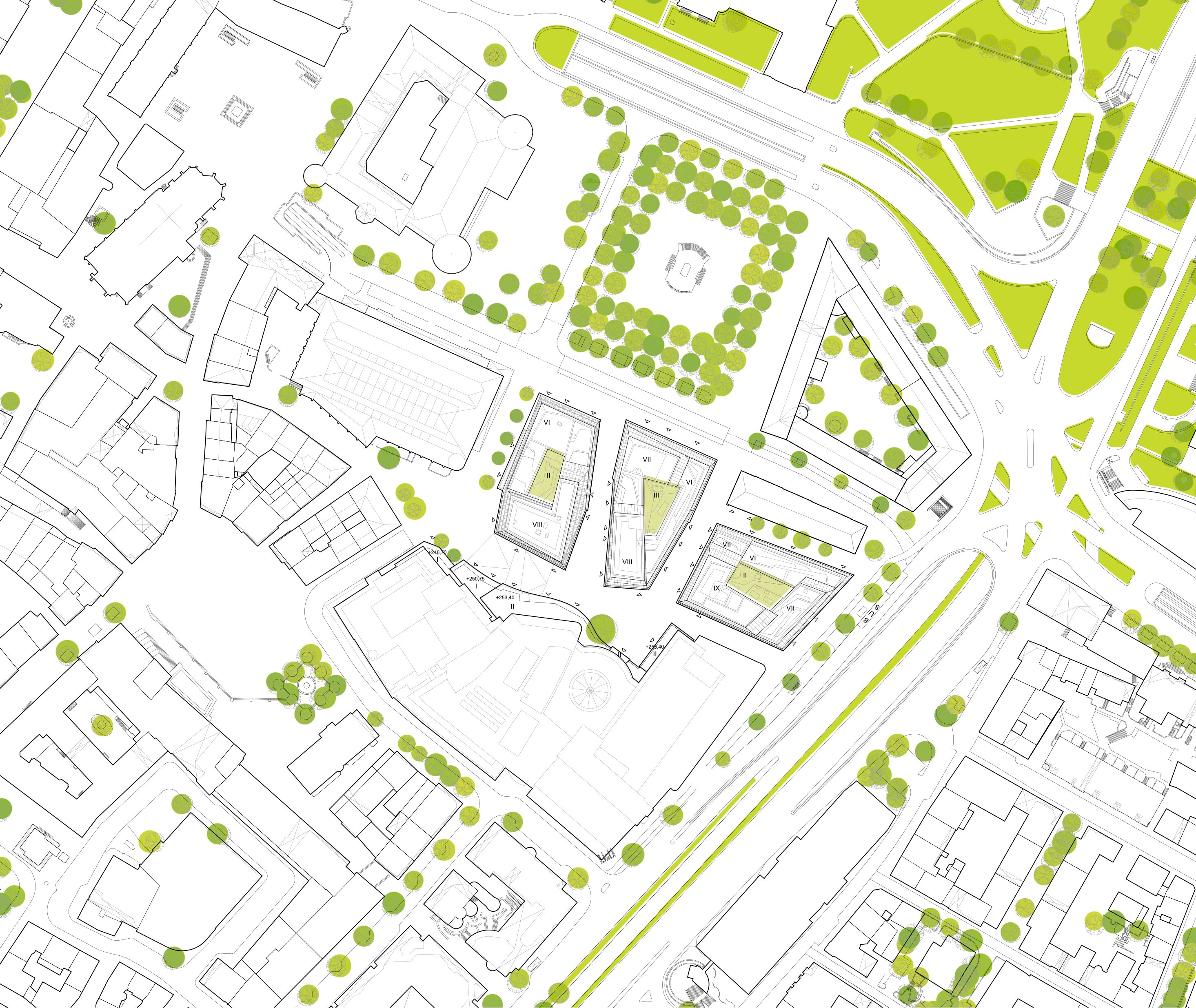
Site Plan

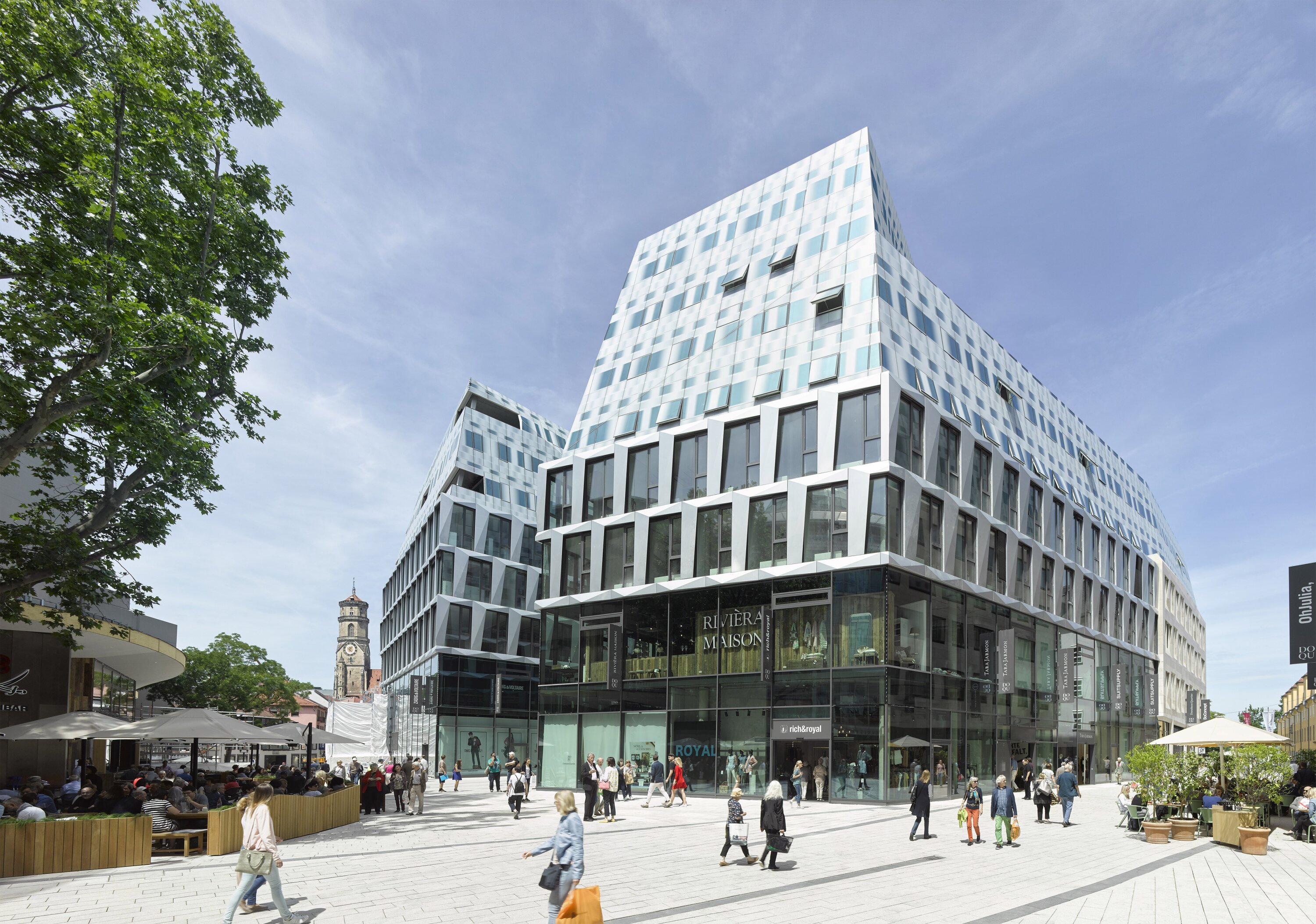
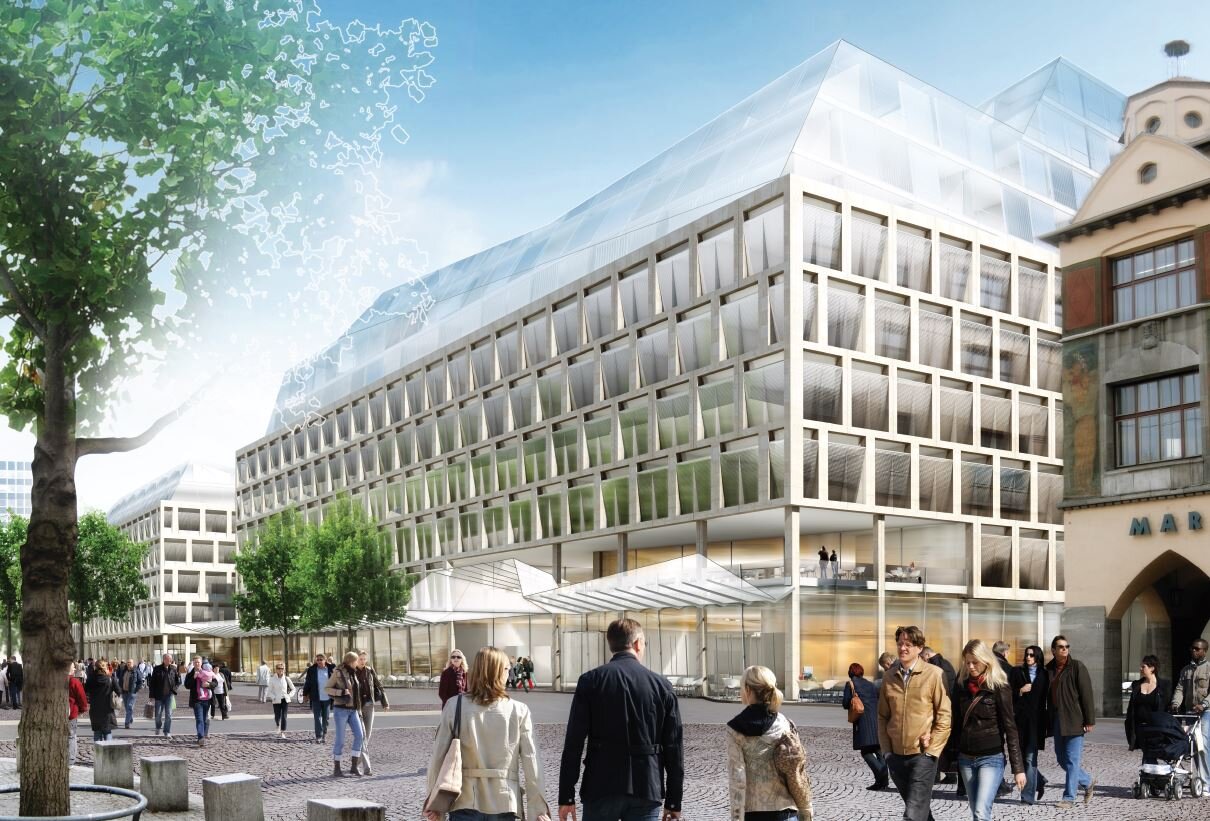
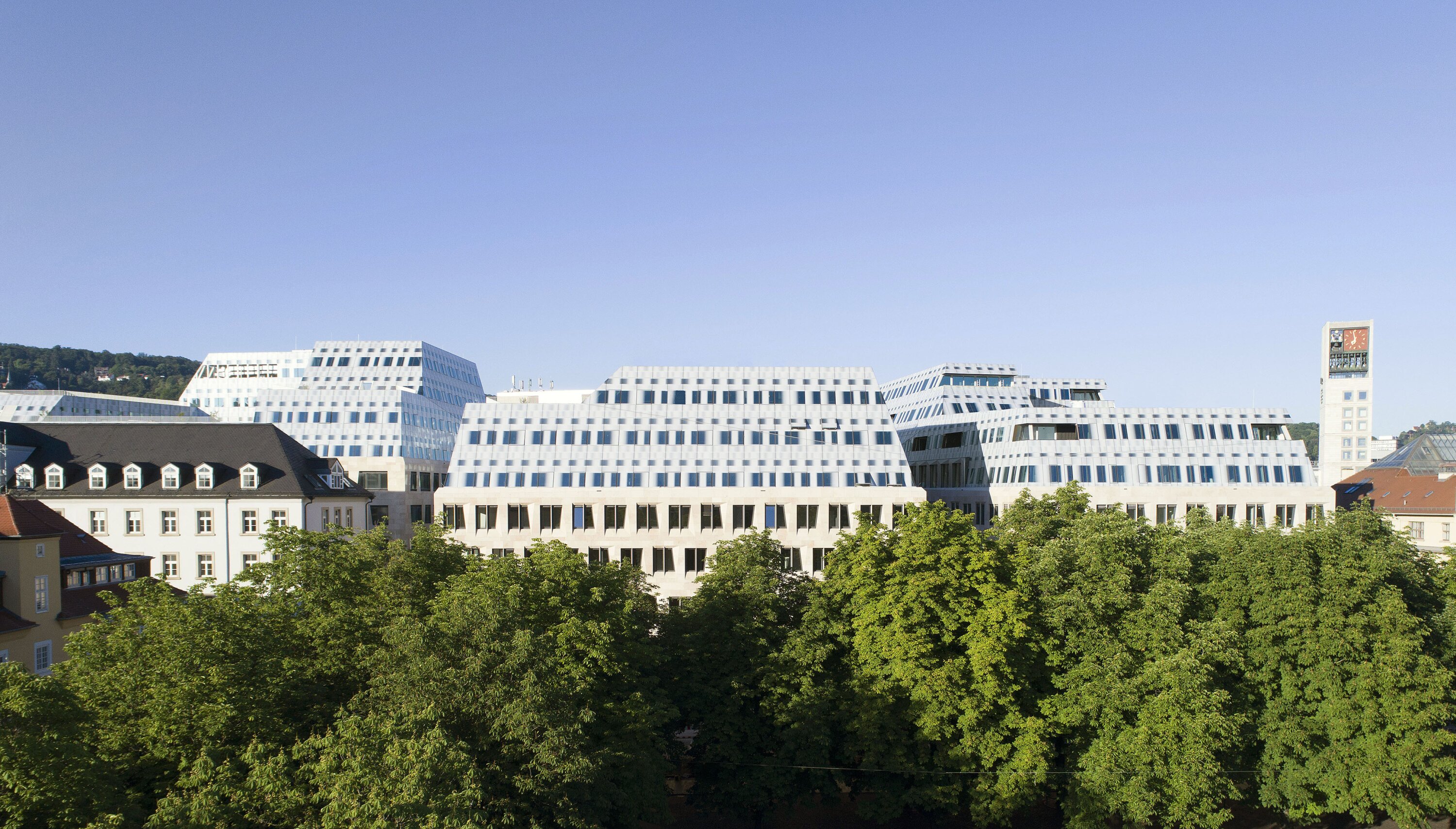
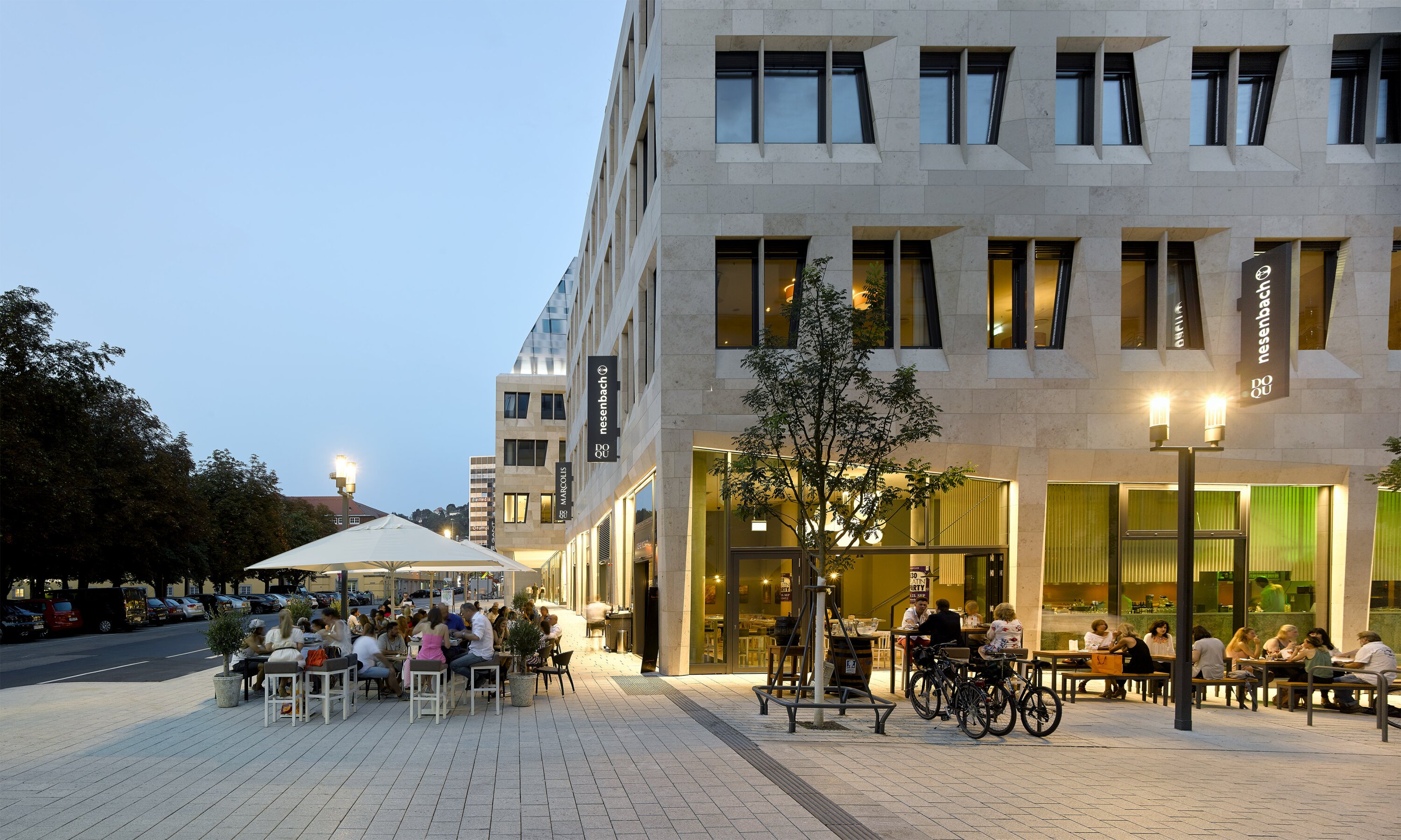
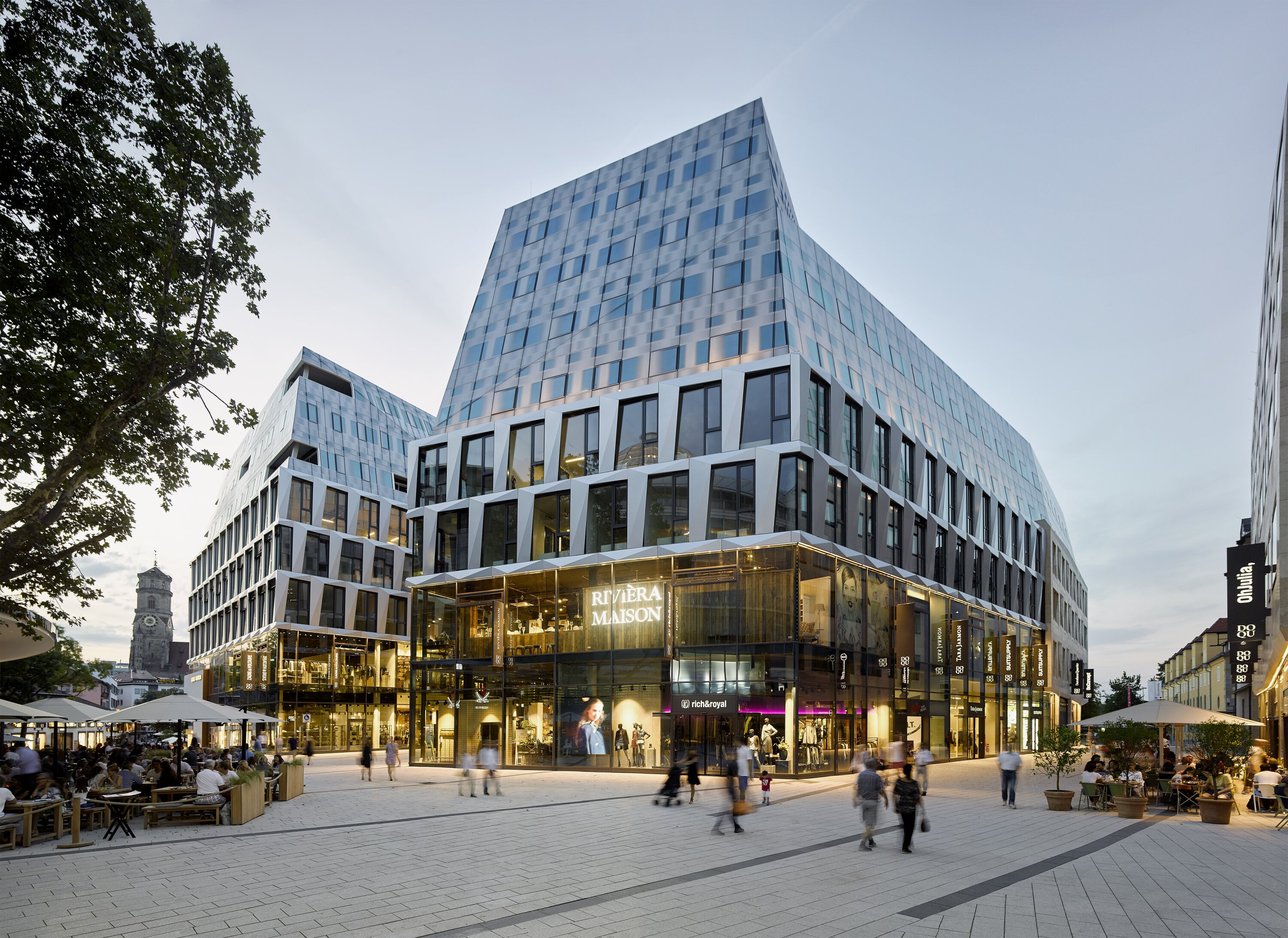
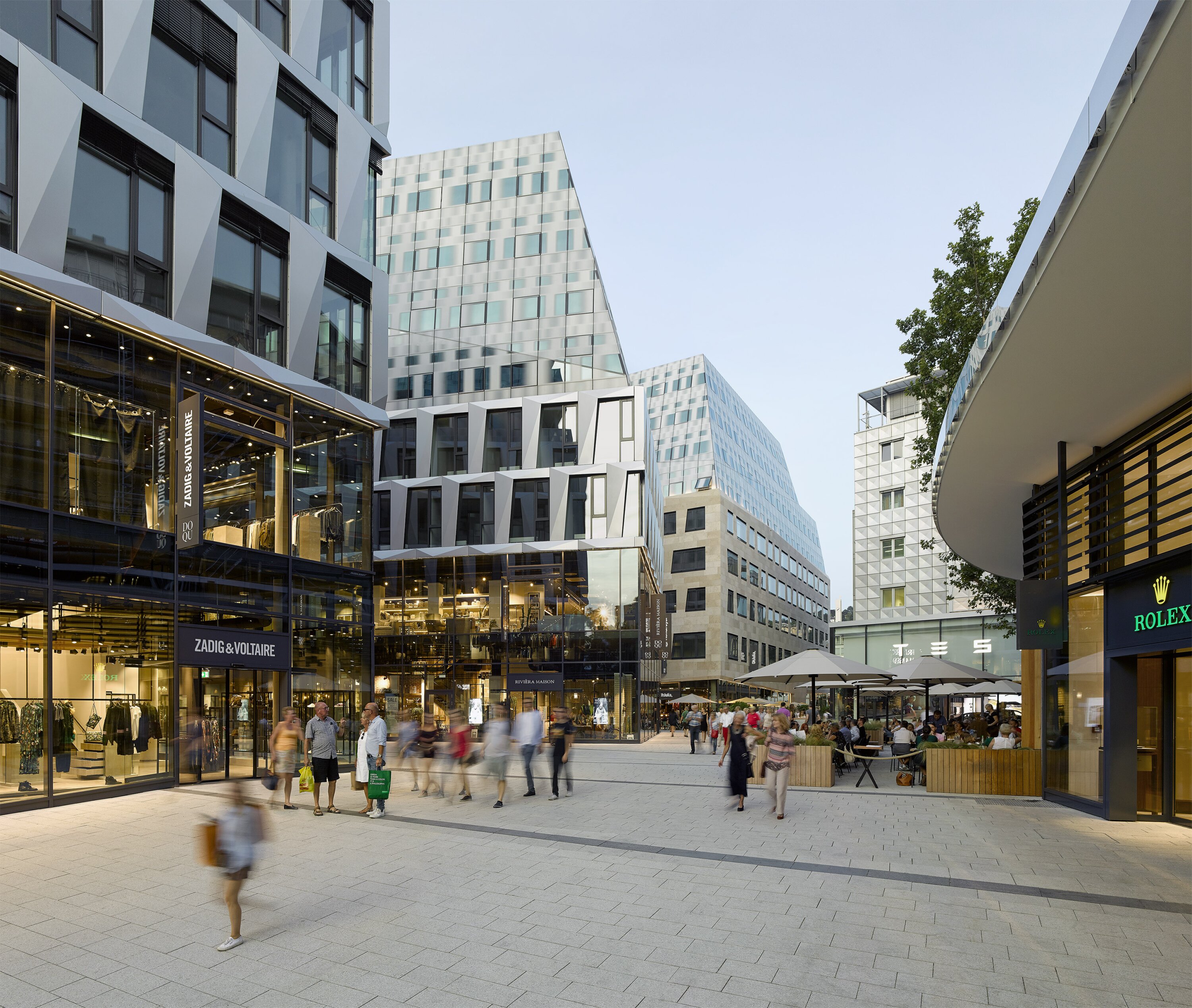
Comprised of three mixed-use buildings that combine offices, retail, and urban living—expressed through different facade designs—the project brings a new identity and vitality to the central city core, augmenting Stuttgart’s existing network of vital pedestrian areas.

- Client
- EKZ Grundstücksverwaltung GmbH & co KG
- Architects
- Behnisch Architekturbüro
- Address
Dorotheenstrasse
70173 Stuttgart
Germany- Gross Area
38.250 qm / 411,723 sq.ft. (floor area)
- Photography
David Matthiessen
- Awards
2018 The Plan Award, Category: Mixed Use, winner
2018 Städtebaupreis, shortlist
2018 WAN Award Category Commercial, shortlist
2019 IDA Award Category New Commercial , bronze
2019 Beispielhaftes Bauen Stuttgart, recognition- Downloads
-
Download PDF




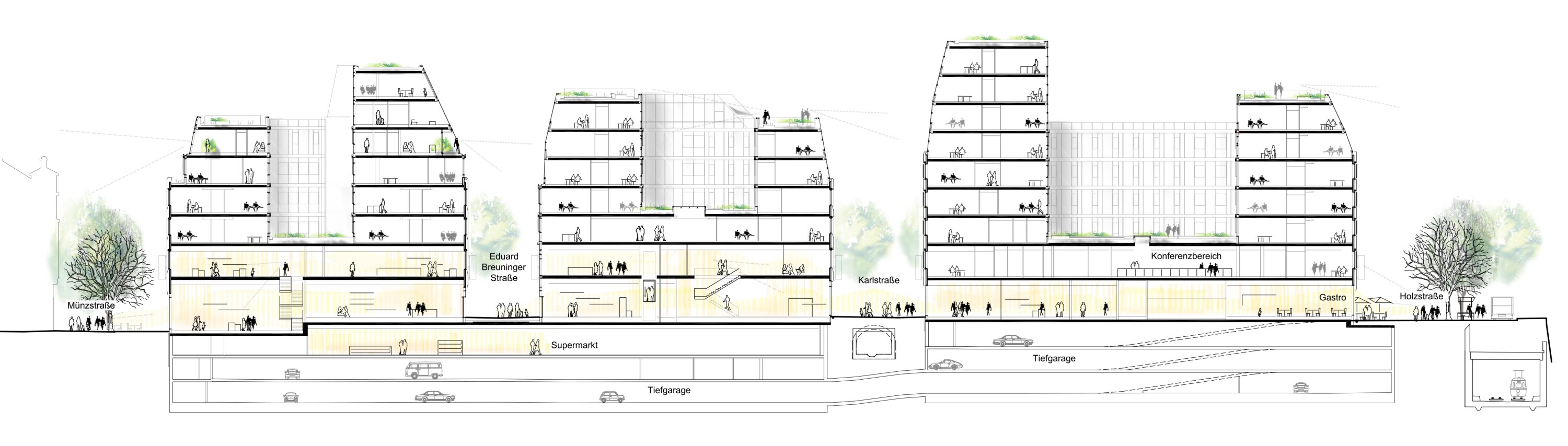
Section
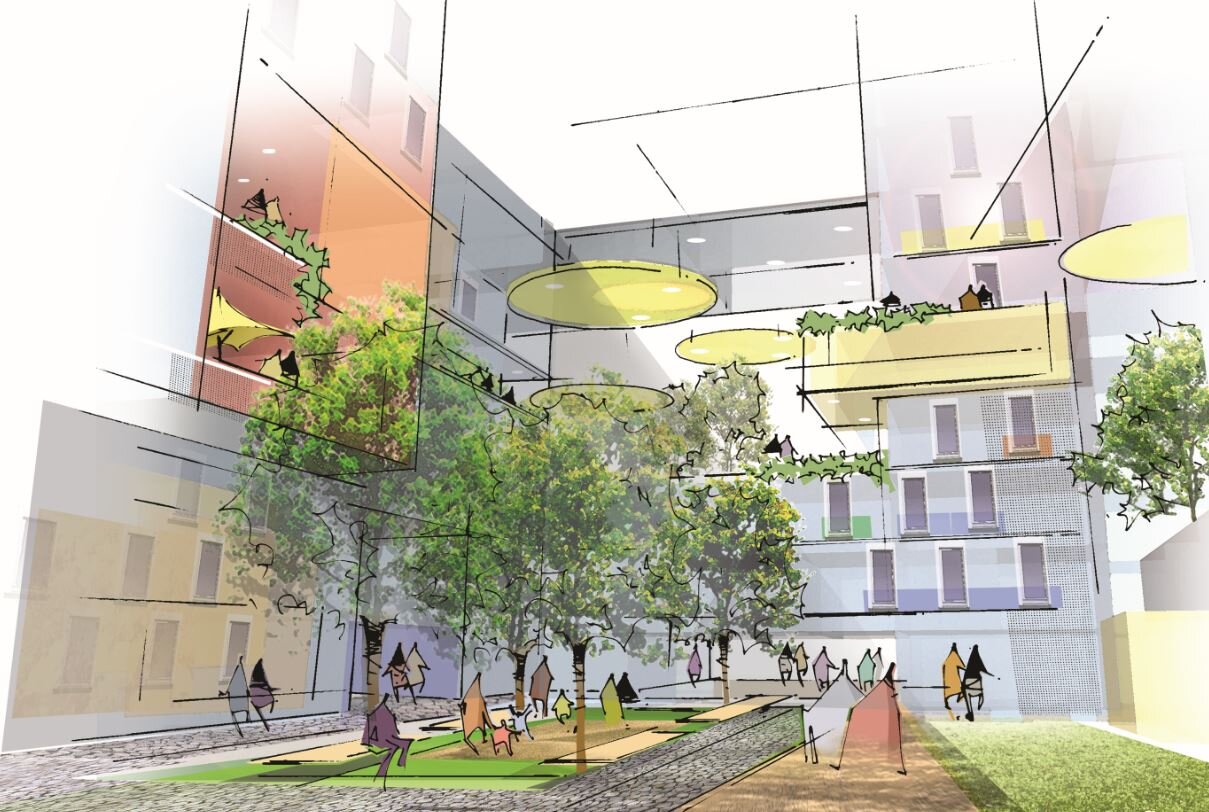
The design transforms the existing Sporerstraße into two squares—the Dorotheen Platz and the Sporer Platz—connecting both to the lively town square in front of the Market Hall. A generous gateway and carefully framed views enhance circulating between the existing sites and the new development. A new visual link between the Markthalle and Karlspassage unites the square’s disparate elements, increasing the appeal of the Dorotheen Quartier.

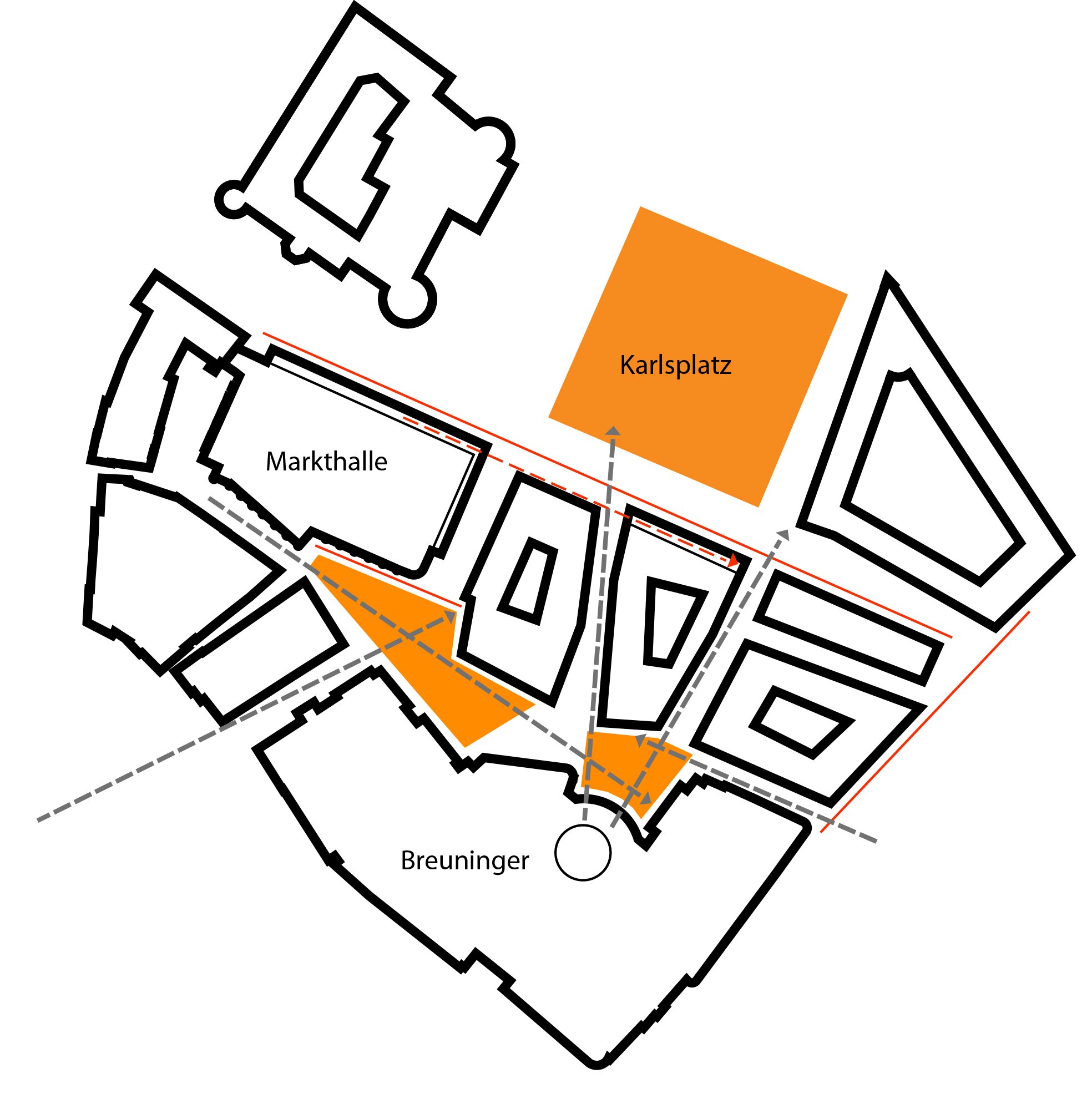

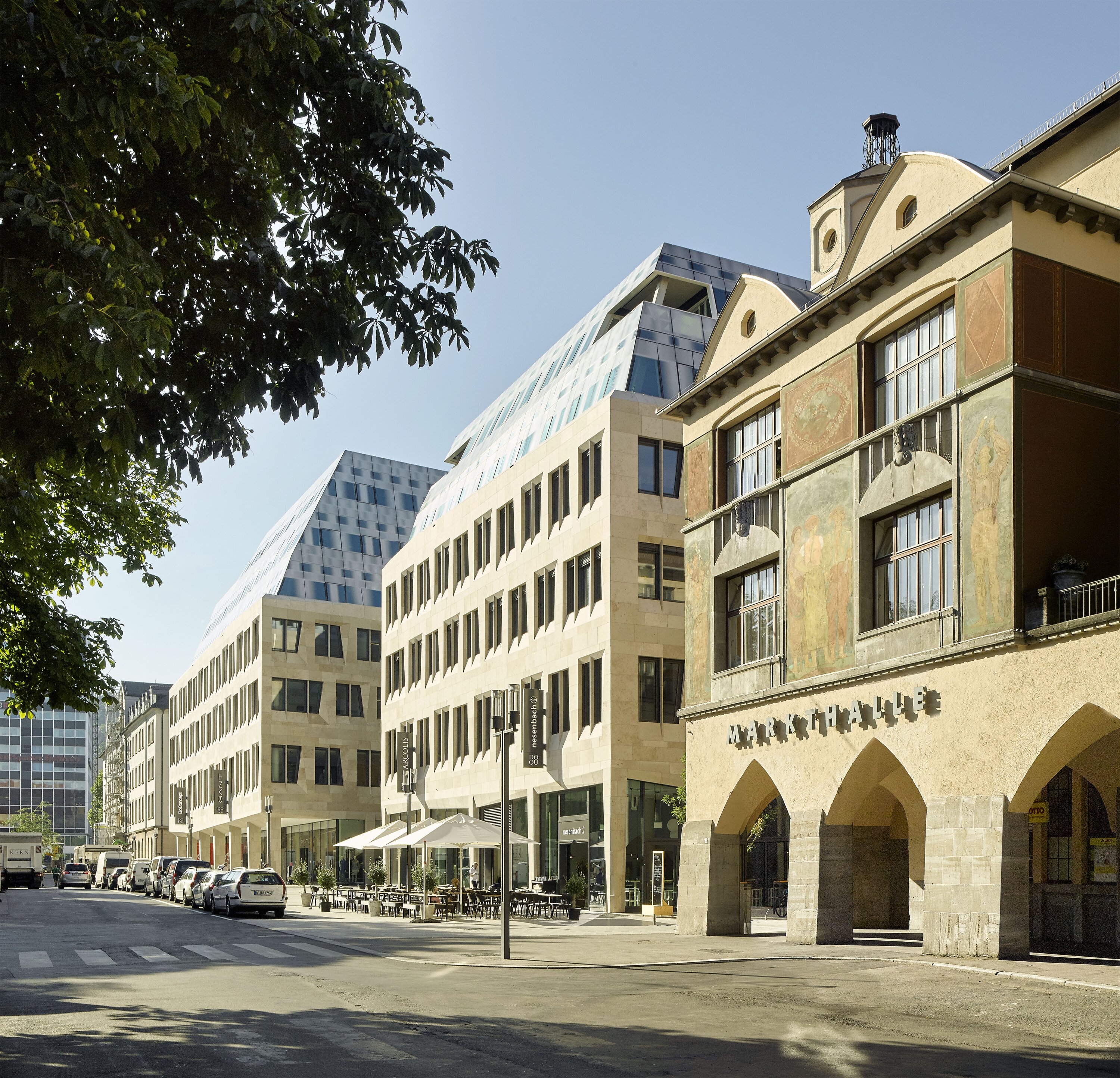
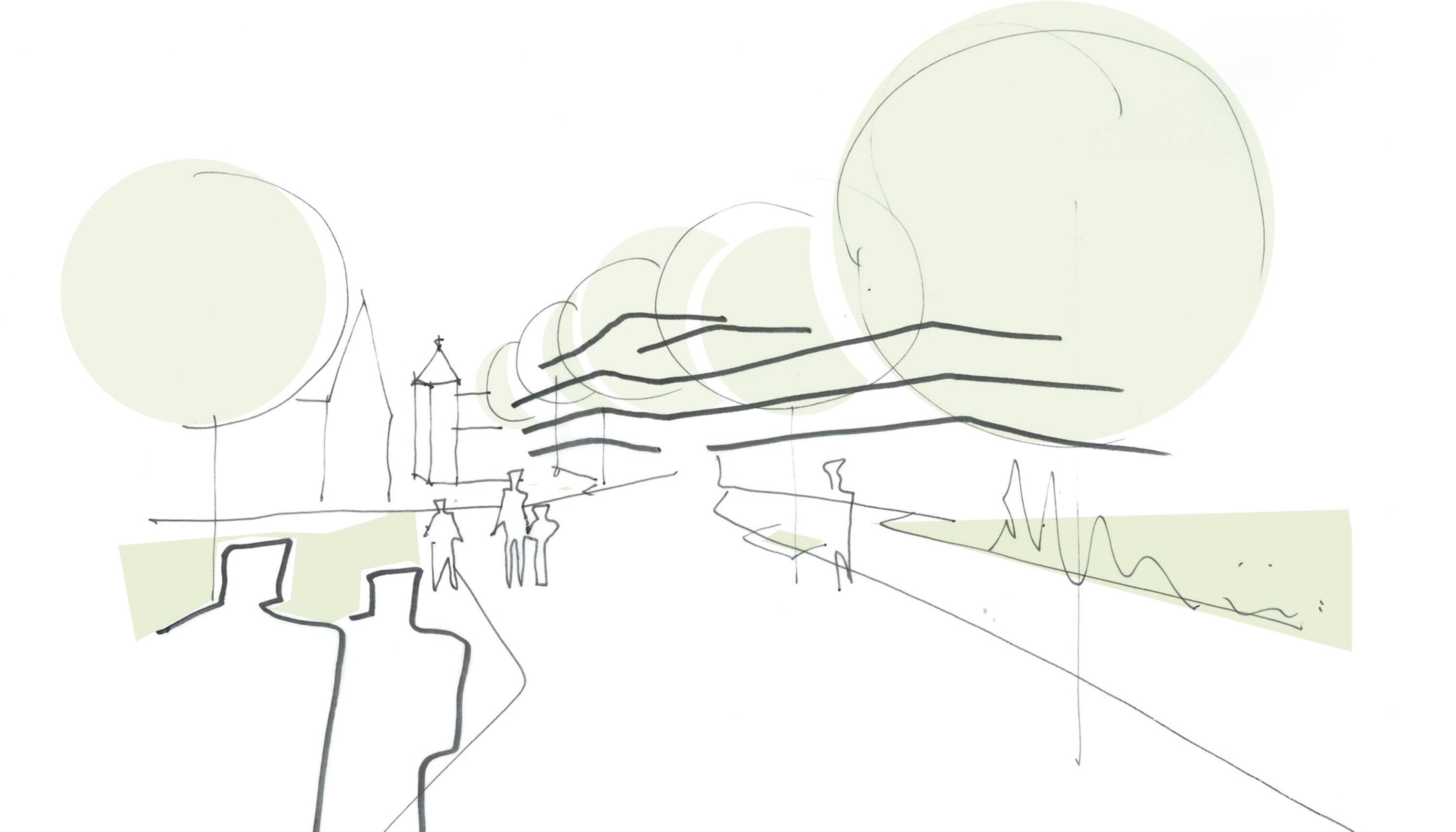
The objective of the reorganization was to create a central urban space without ”rear sides,” flanked instead by a series of equally attractive, high-quality frontages. The scale, form, and configuration of the three new buildings are designed to integrate seamlessly with the city’s historic urban fabric. In this regard, the rooflines of such historic structures as the Markthalle, and the geometries and axes of the public plazas such as Karlsplatz have played an important role in informing the design of the ensemble.
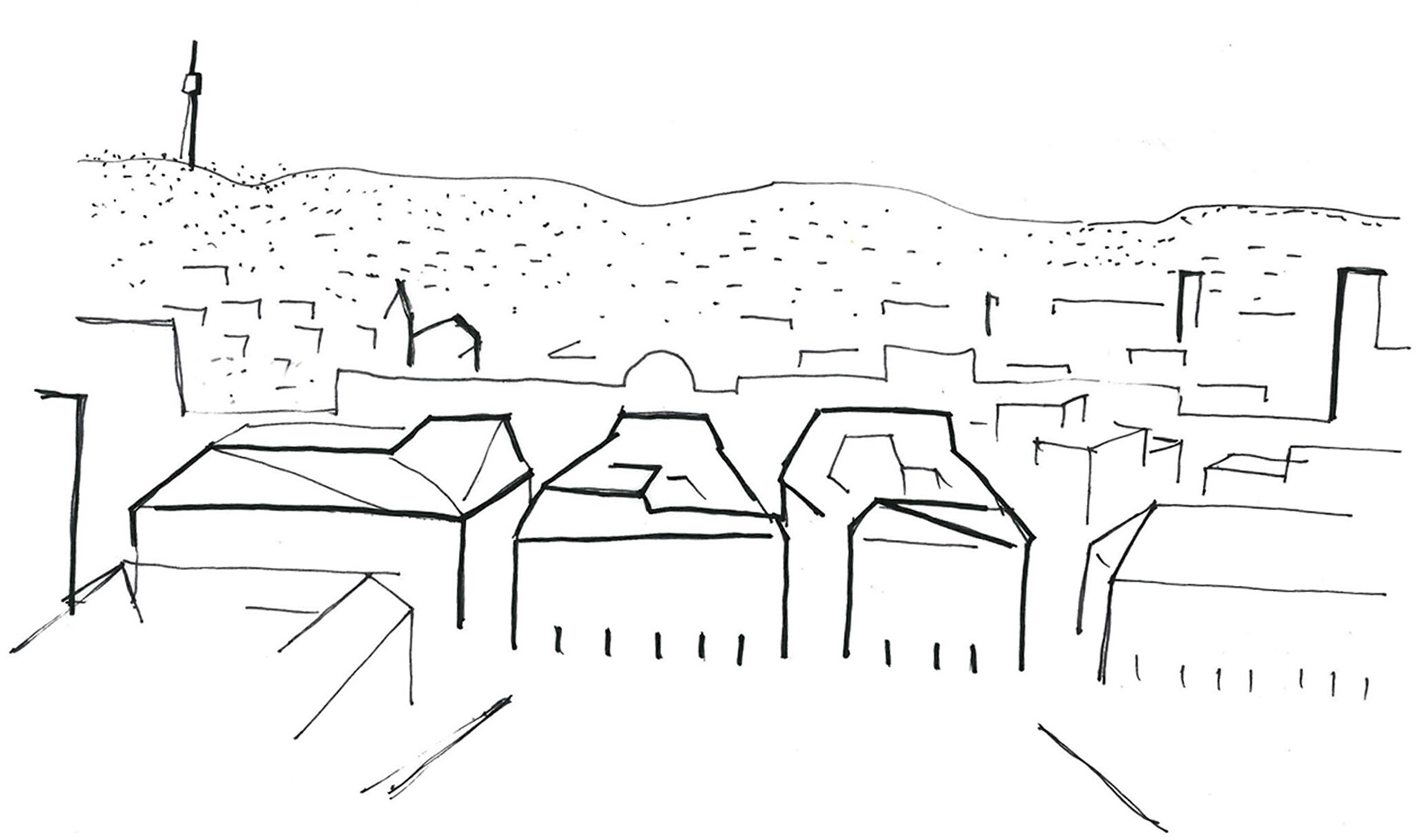
In Stuttgart, the city basin’s distinct topography effectively creates a fifth facade for every building: the roof. From any vantage point, the roofscape plays a key role in serving as icons identifying landmarks and destinations across the city.