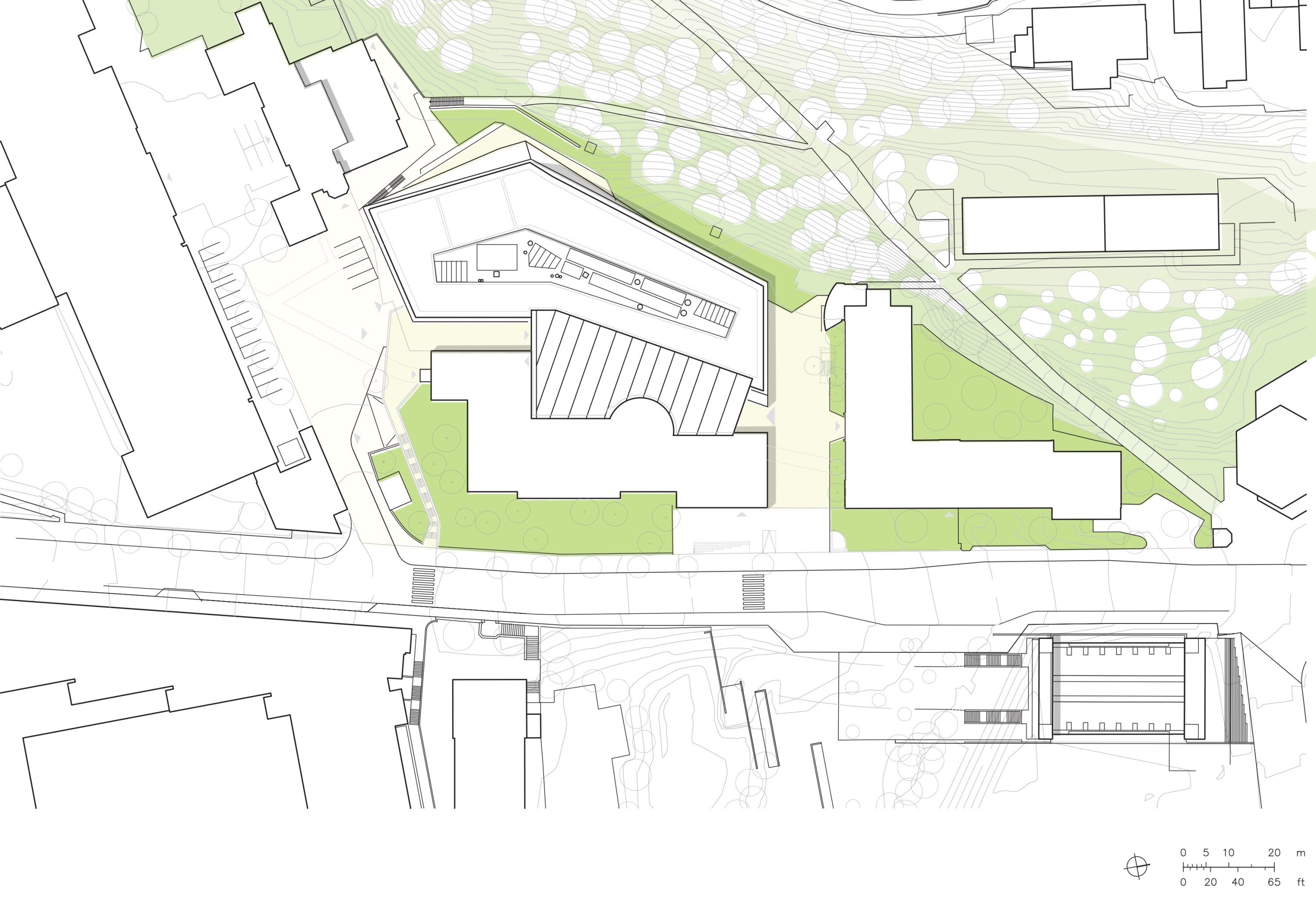
Site Plan
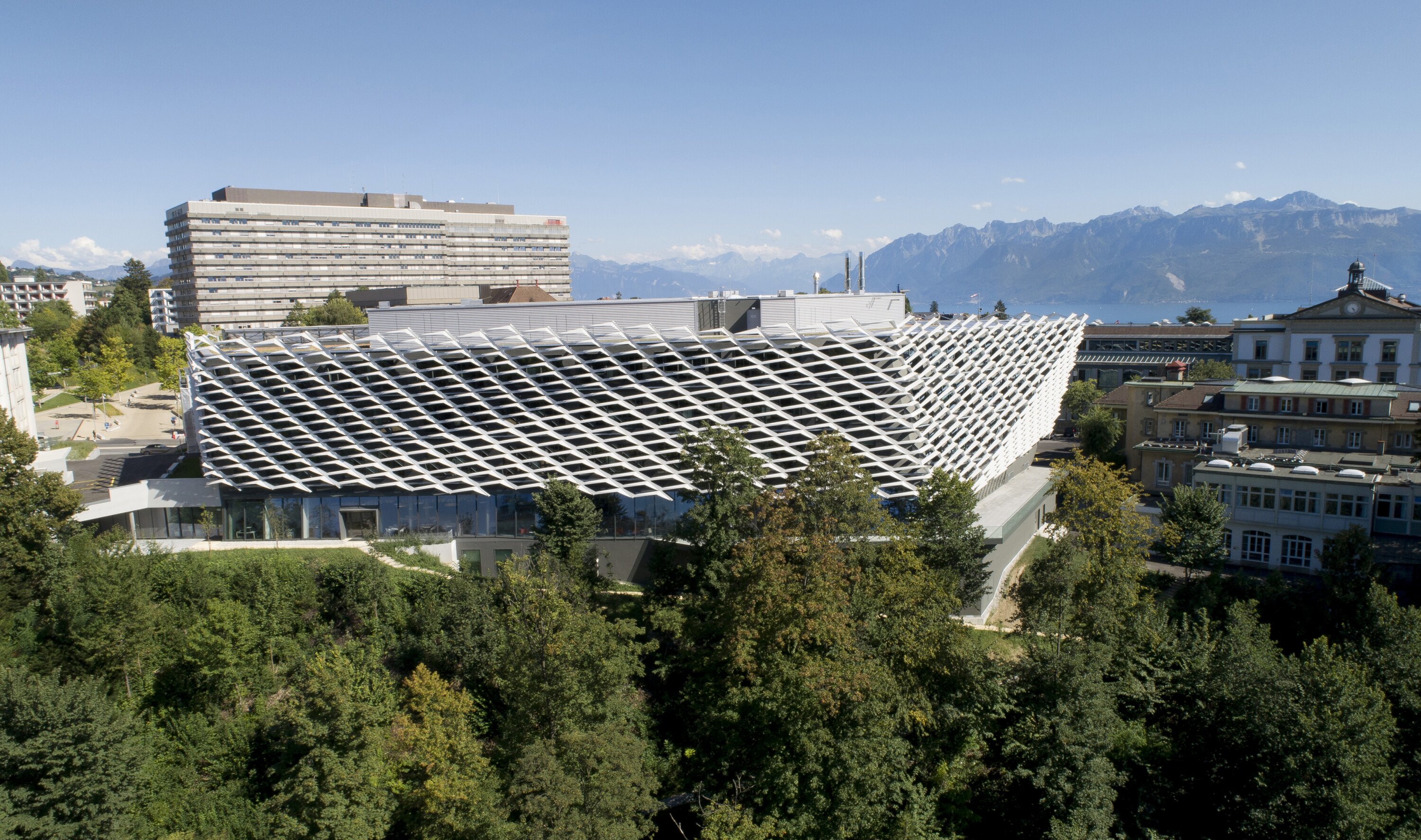
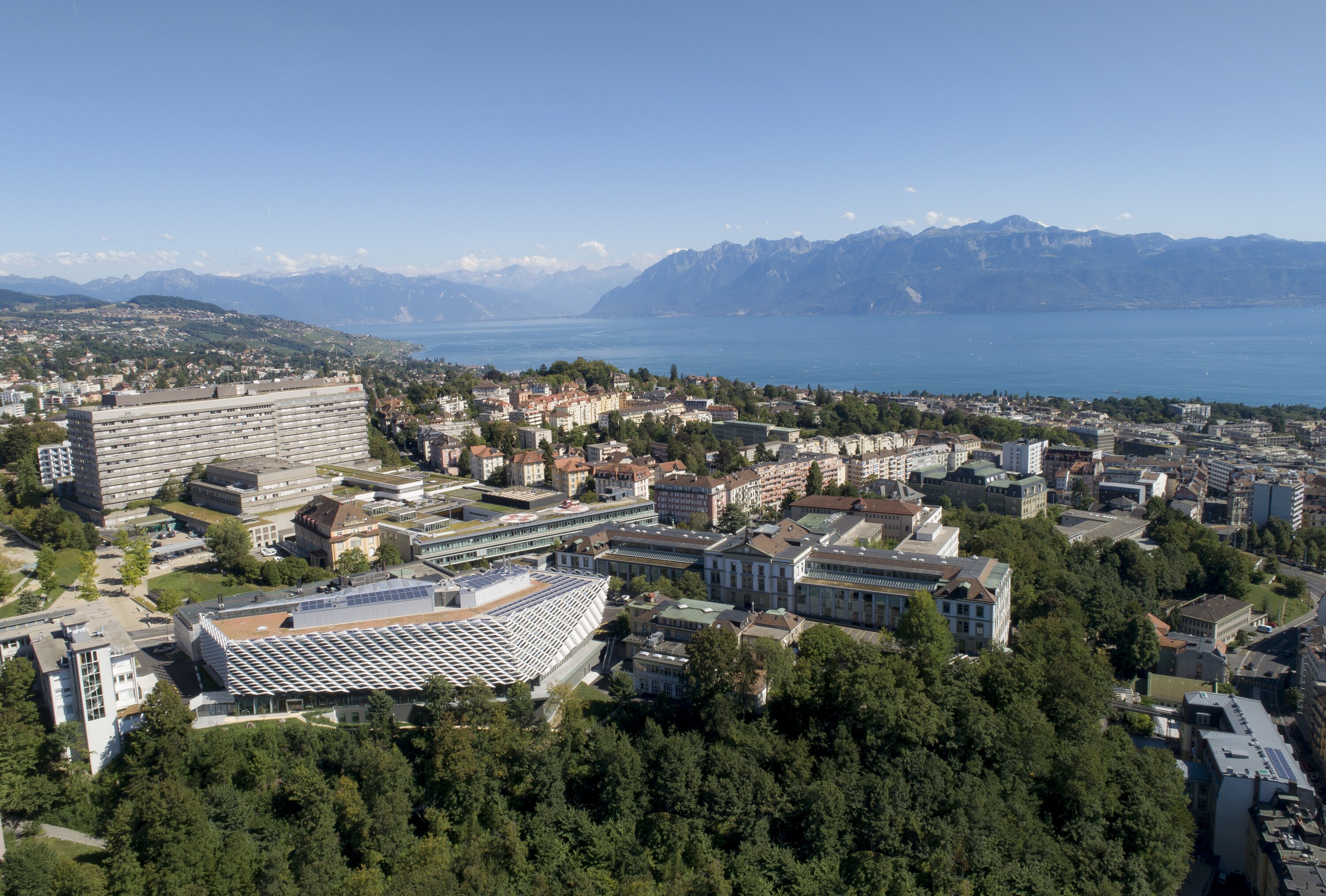
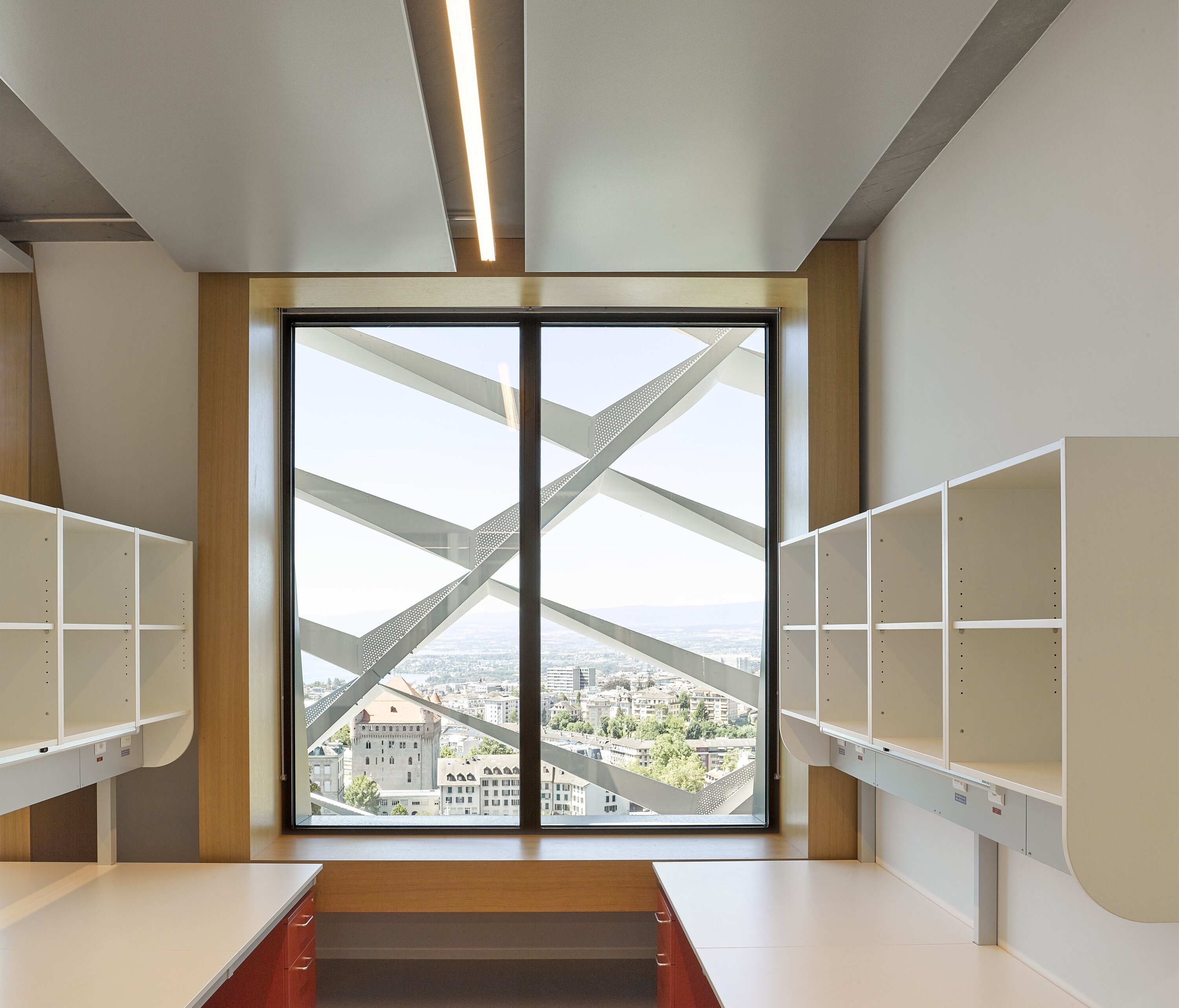
Existing visual connections across the site and toward the landscape played an important role in shaping and placing the building mass. Carefully integrated into its context, the new structure retains a distinct and autonomous presence. By connecting to an existing building on one side and creating a transition to the surrounding landscape on the other, the design preserves the campus’s original structure and flow.
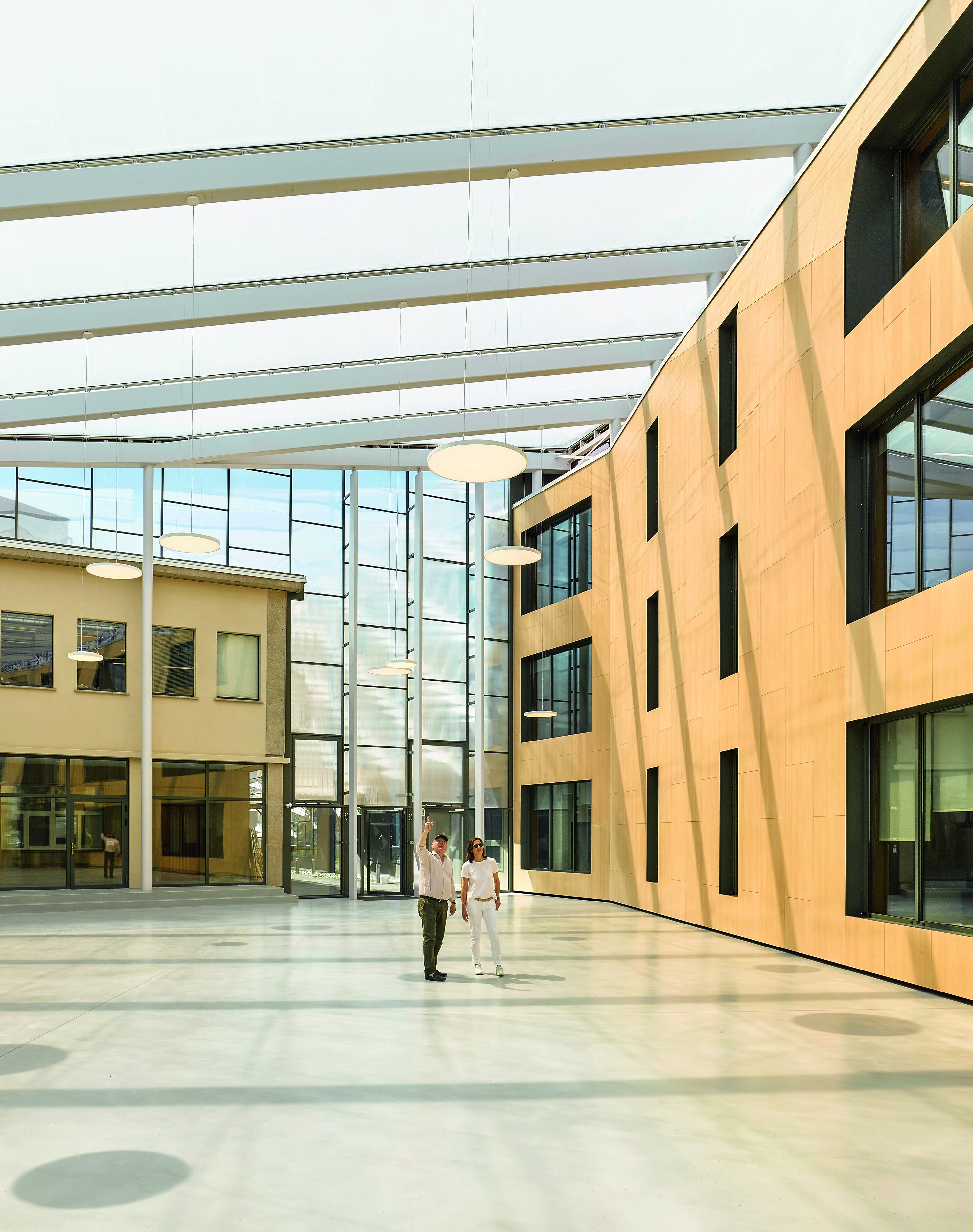
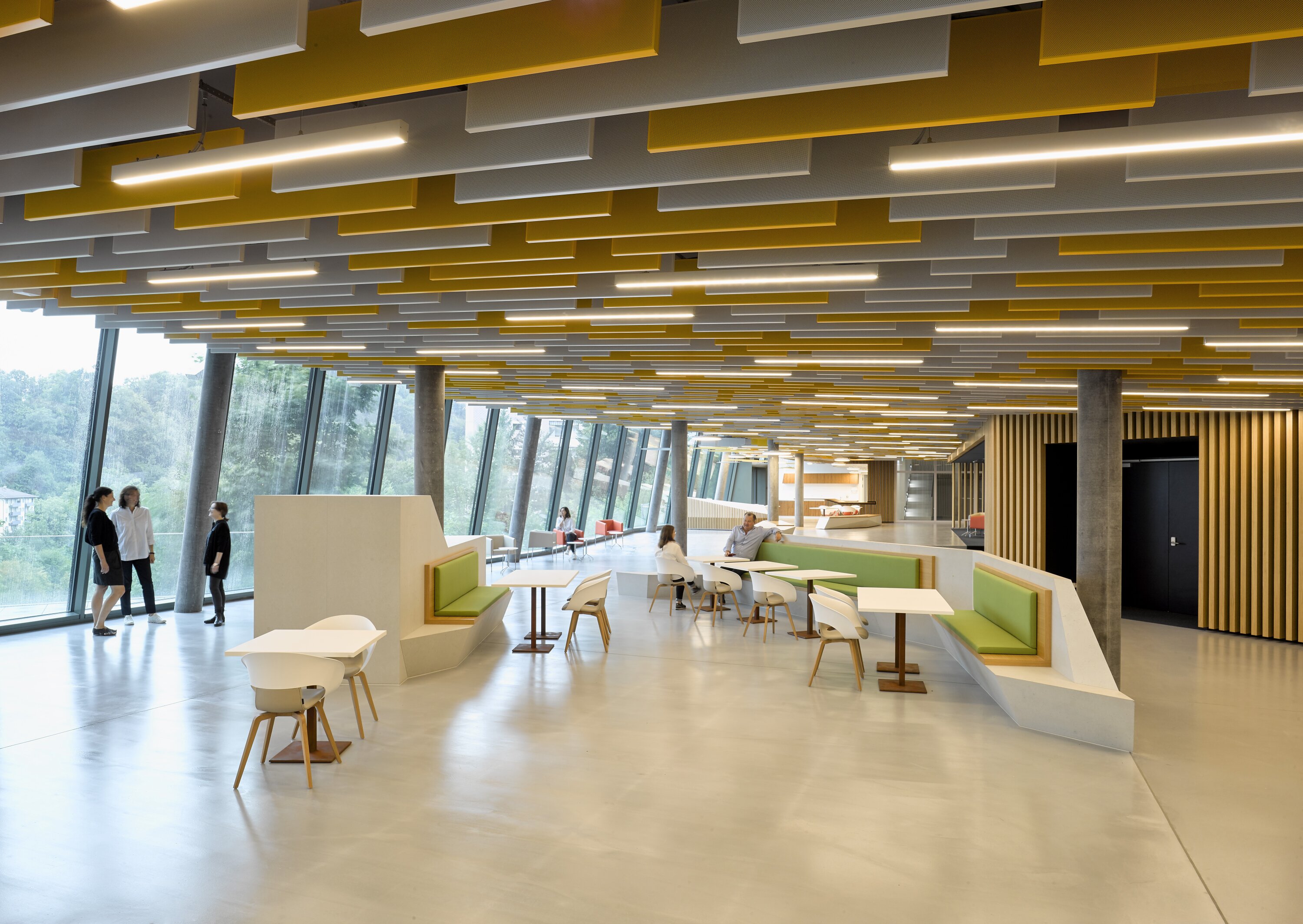
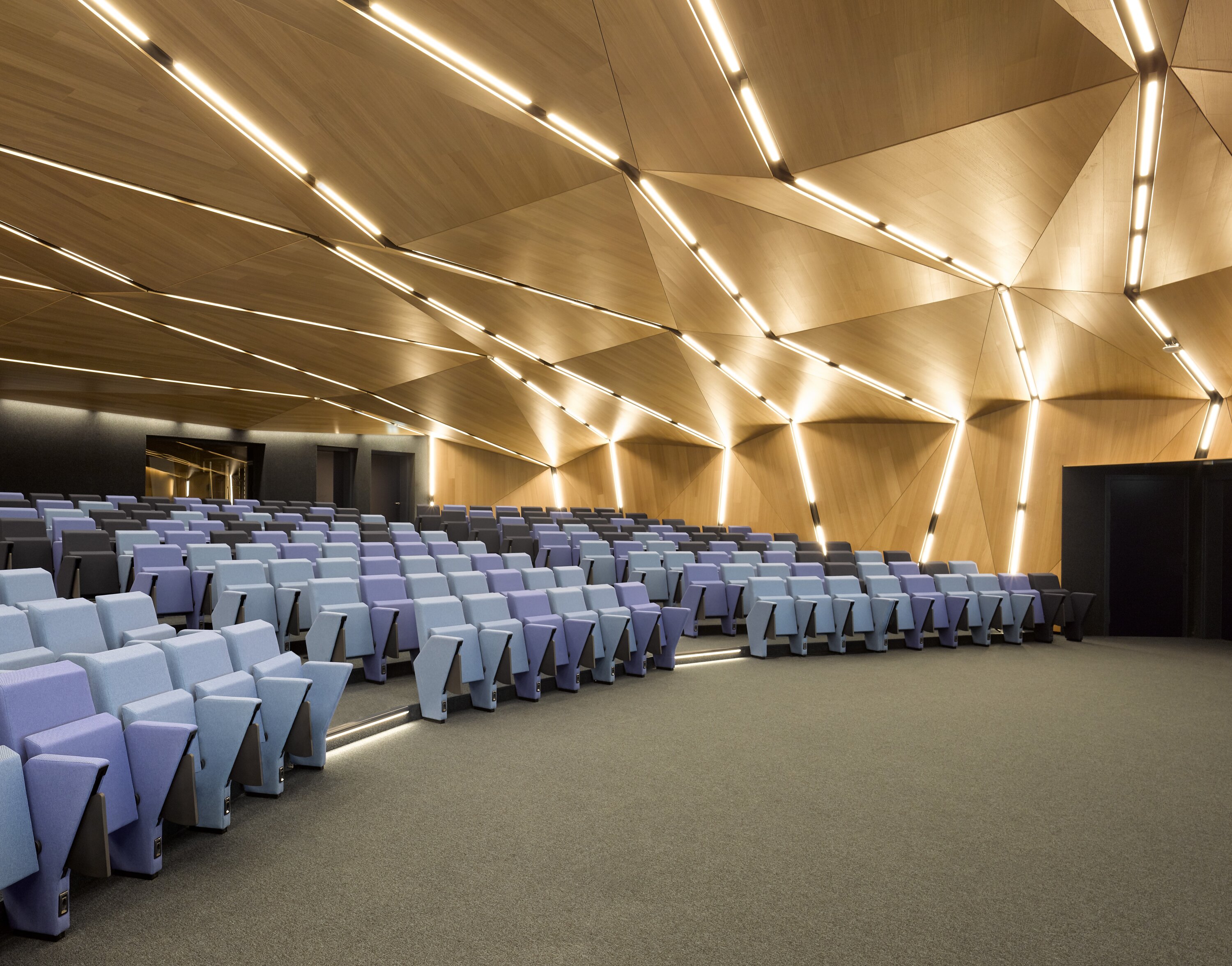
The main entrance opens into a central atrium that bridges the existing structure and the new building. In addition to providing a high-quality professional environment, the design emphasizes communication, both inside and outside. The Agora area serves as the center’s public level, connecting the existing pathways on campus to the laboratory and office levels through a network of interconnected communication areas and informal workplaces. The atrium connects AGORA to the neighboring building Bu25 on the east side. This structure offers public meeting points and enables exceptional events to take place.
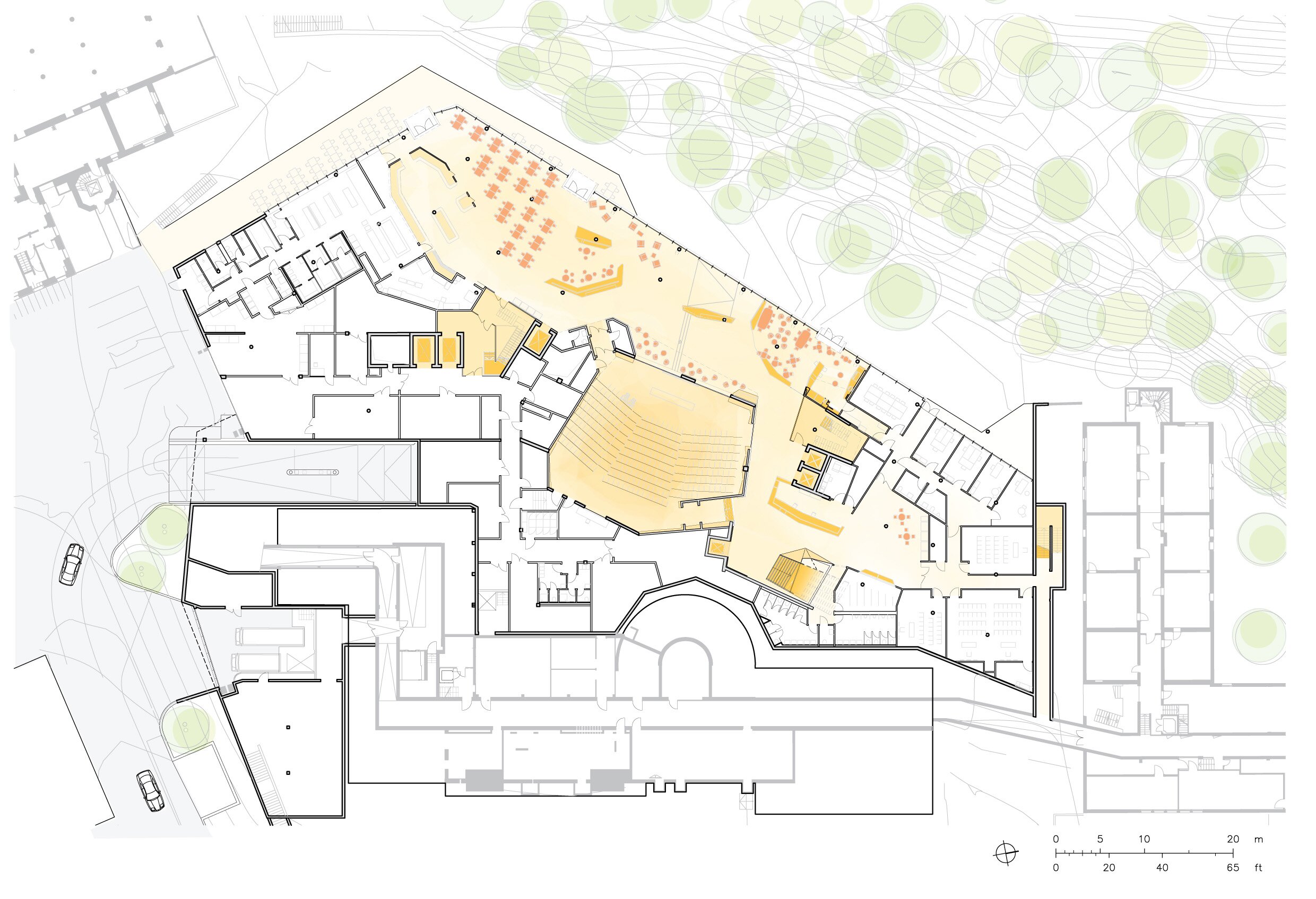
Level 1
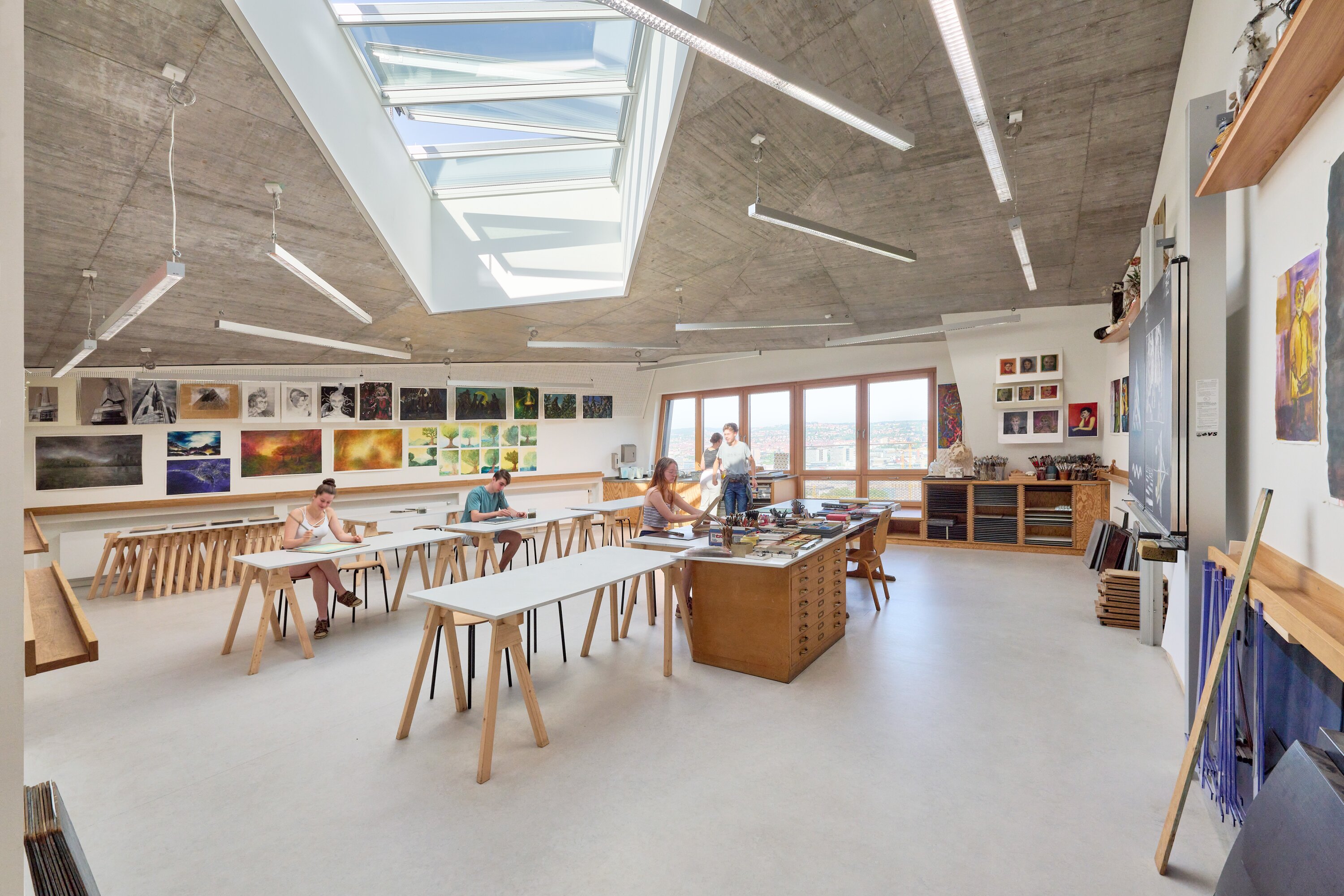
The internal organization offers a high level of flexibility to provide the necessary freedom for future changes. Both interdisciplinary and disciplinary communication are central to successful research and this is reflected in the organization of the floor plans, which promote meeting spaces alongside highly technical laboratories. Spatial qualities, expressed through daylight, proportion, and materiality, are equally visible in both realms.
- Client
- Fondation ISREC
- Architects
- Behnisch Architekturbüro
- Address
Rue du Bugnon 25A
1005 Lausanne
Switzerland- Gross Area
22.500 qm / 241,700 sq.ft
- Gross Volume
93.000 cbm / 3,300,000 cu.ft
- Competition
2012, 1st prize
- Photography
David Matthiessen
- Awards
2019 The Plan Award, finalist
2019 Architizer A+, finalist
2019 WAN Award, shortlist
2019 World Architecture Festival, shortlist- Downloads
-
Download PDF
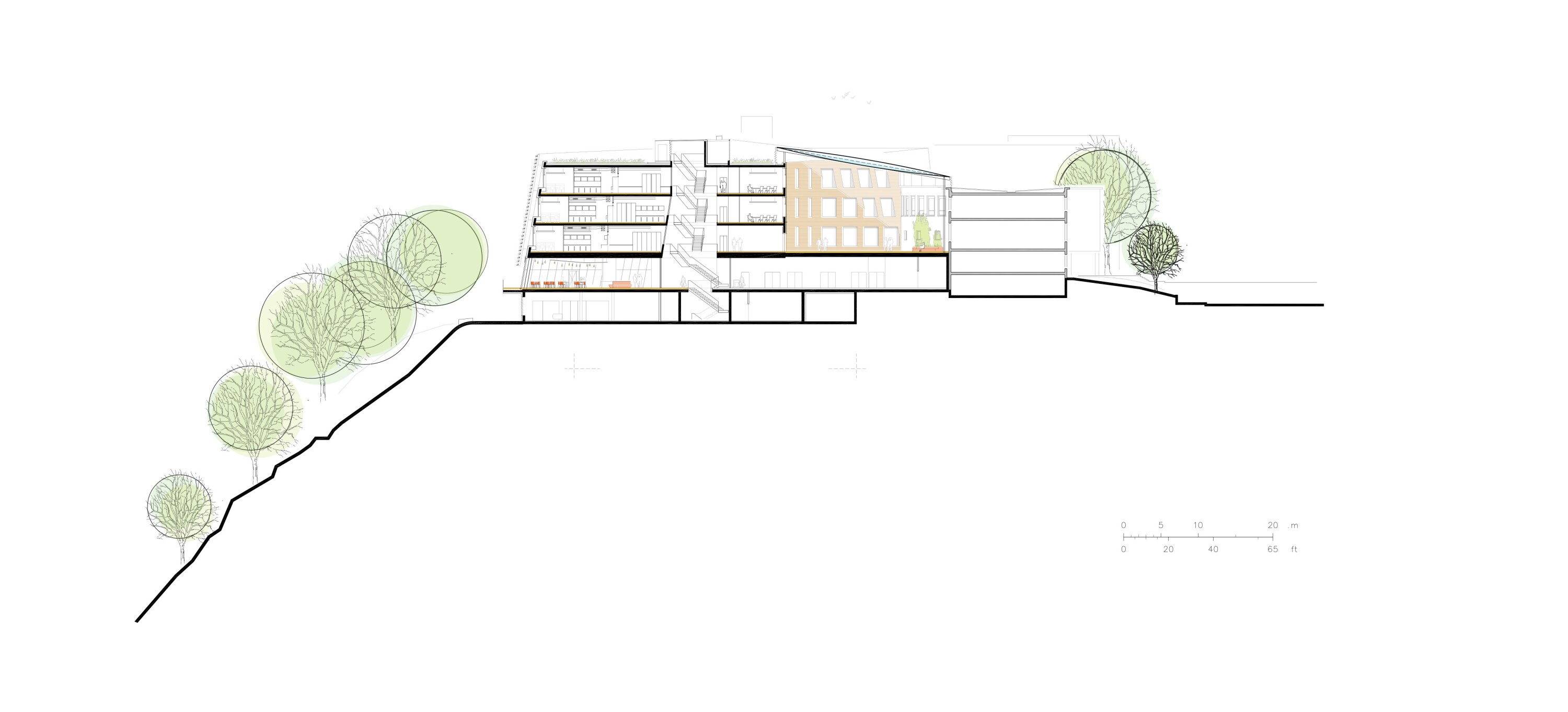
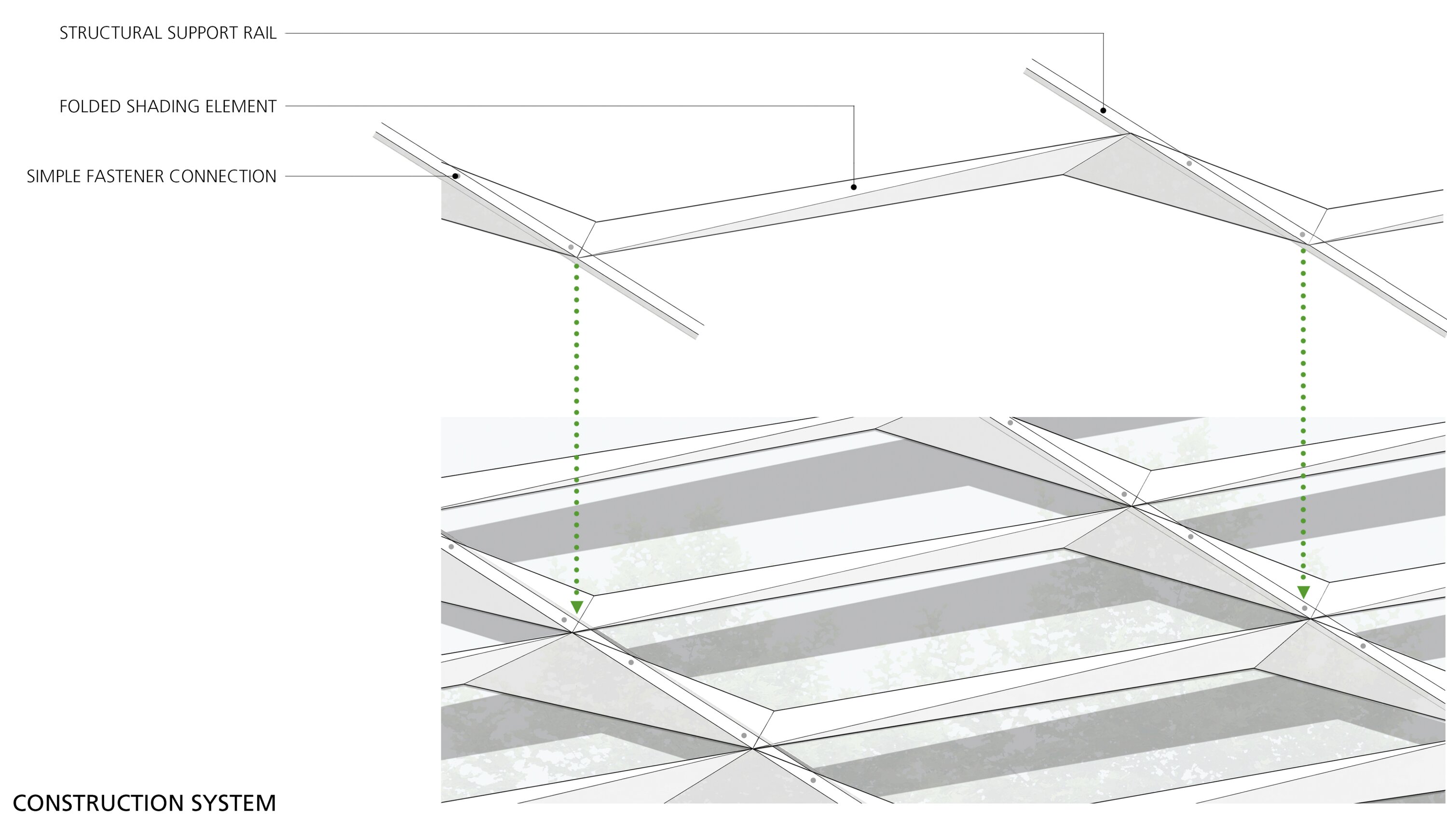
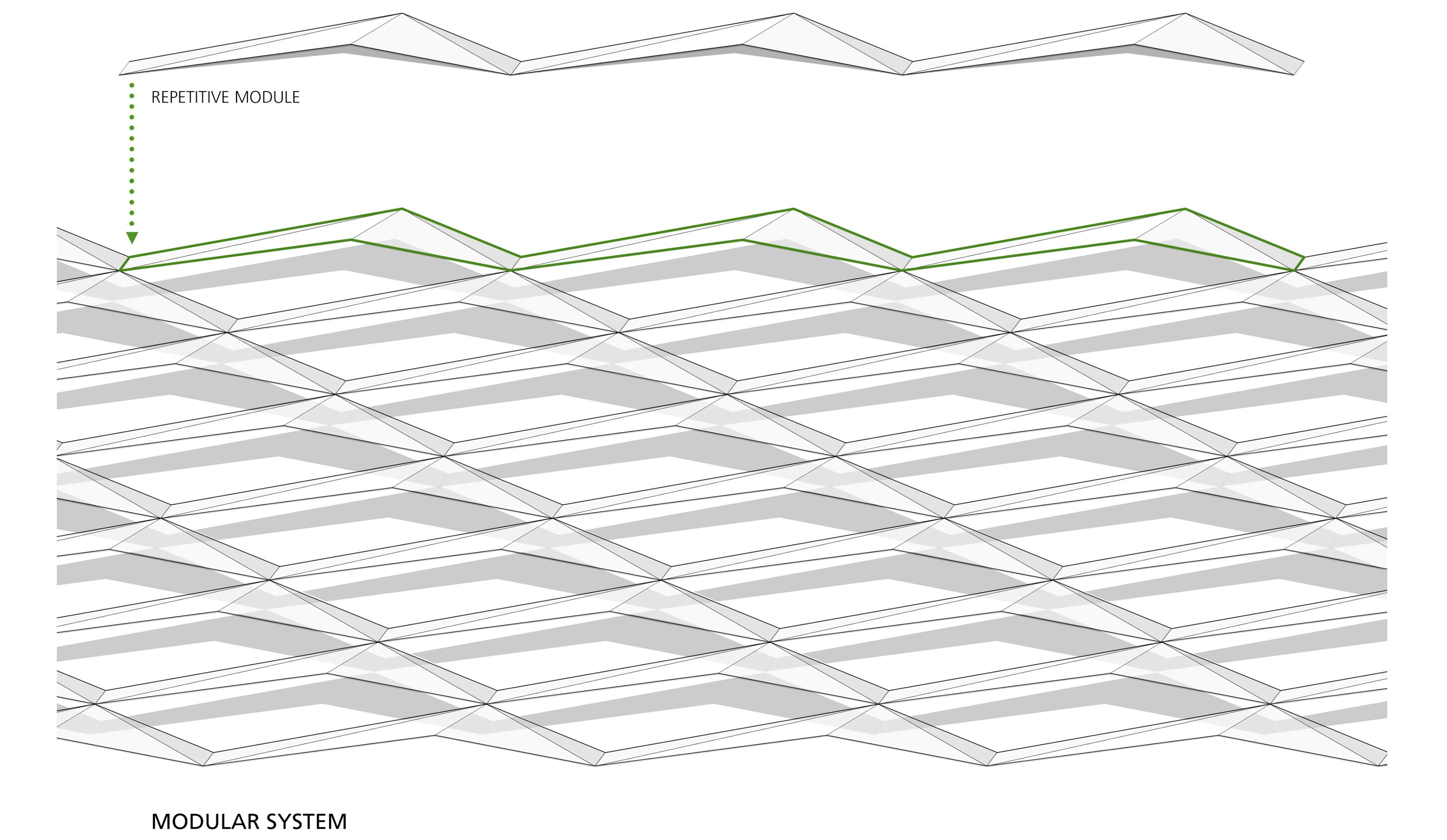
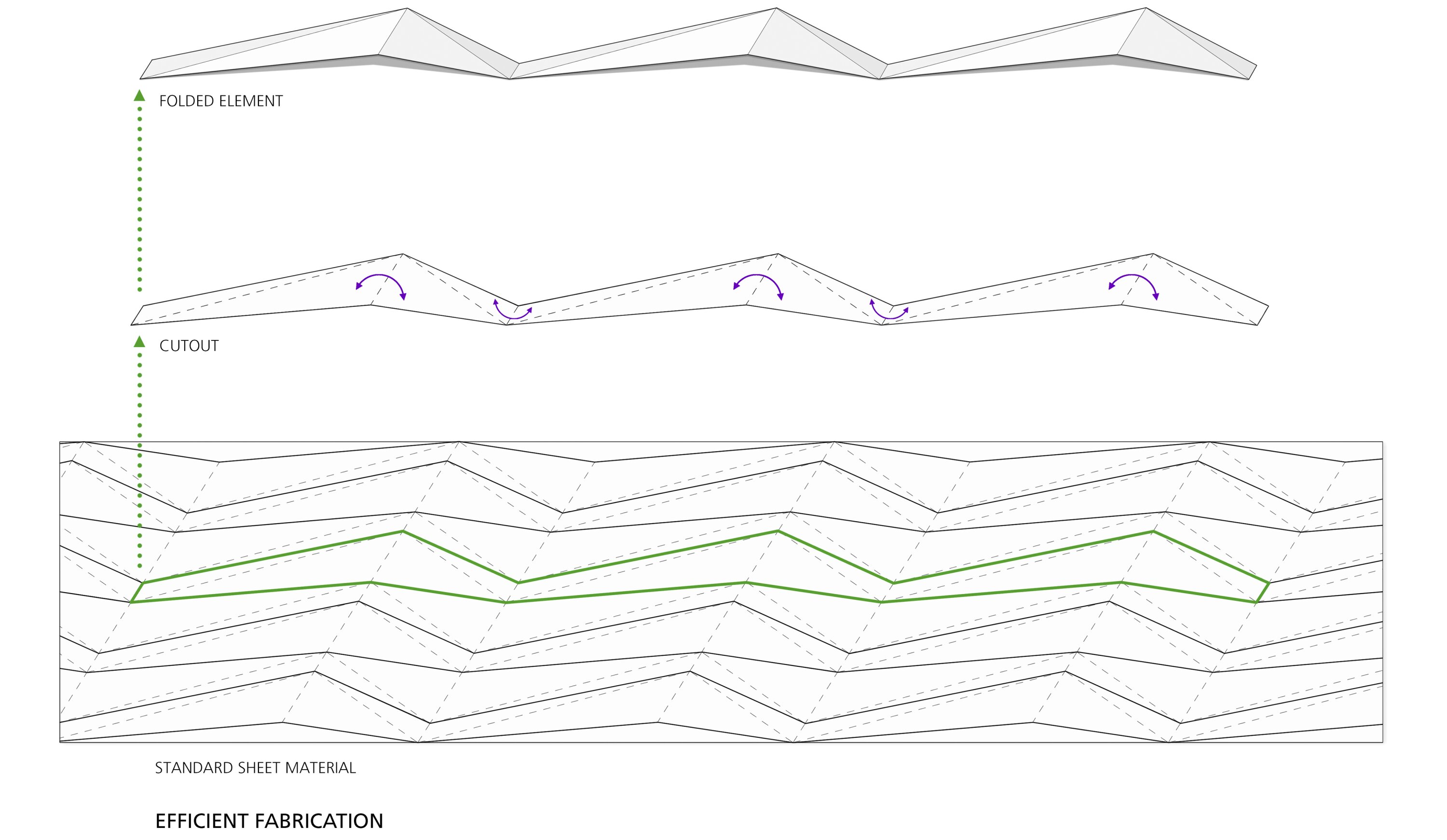
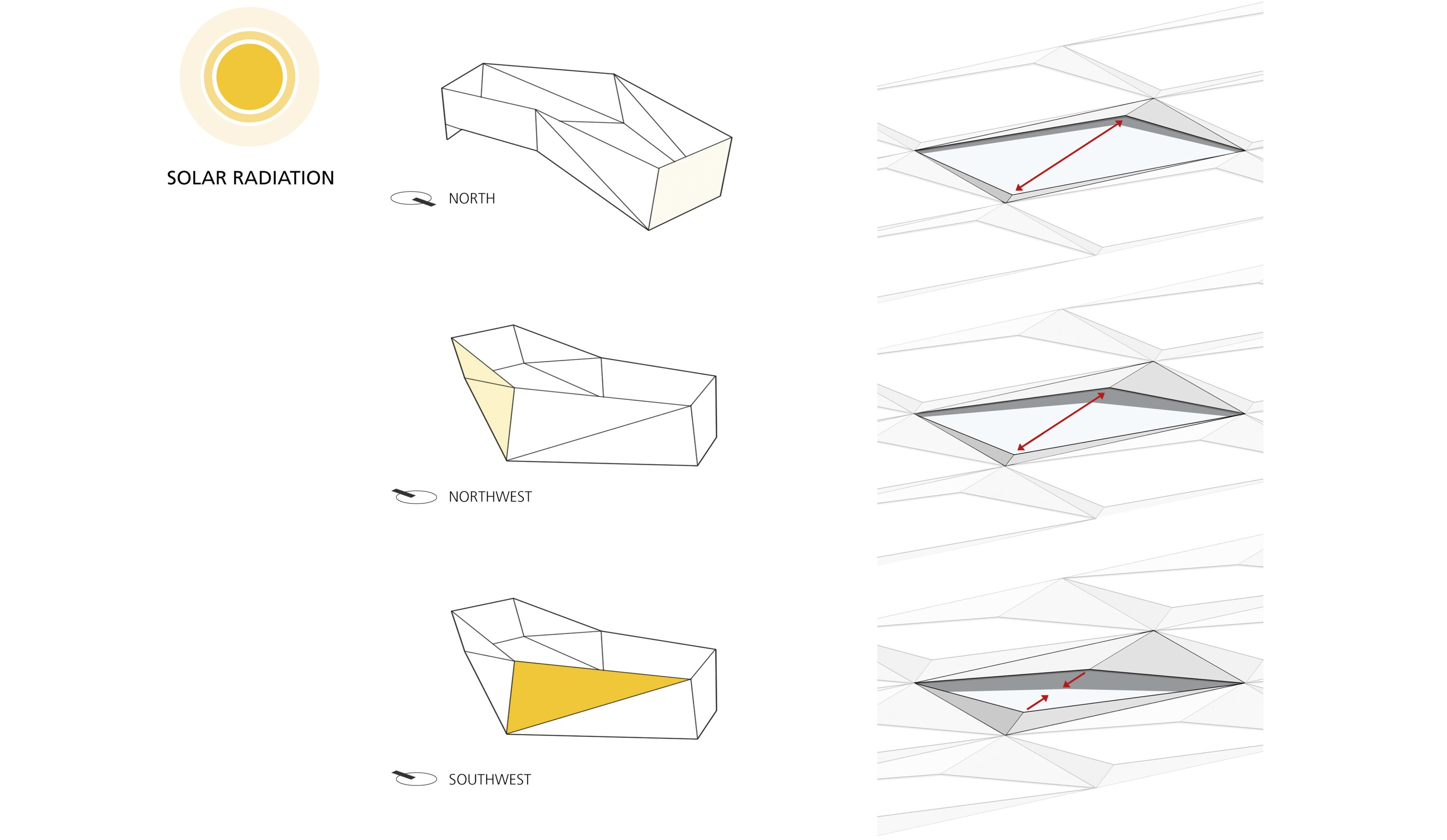
Section AA
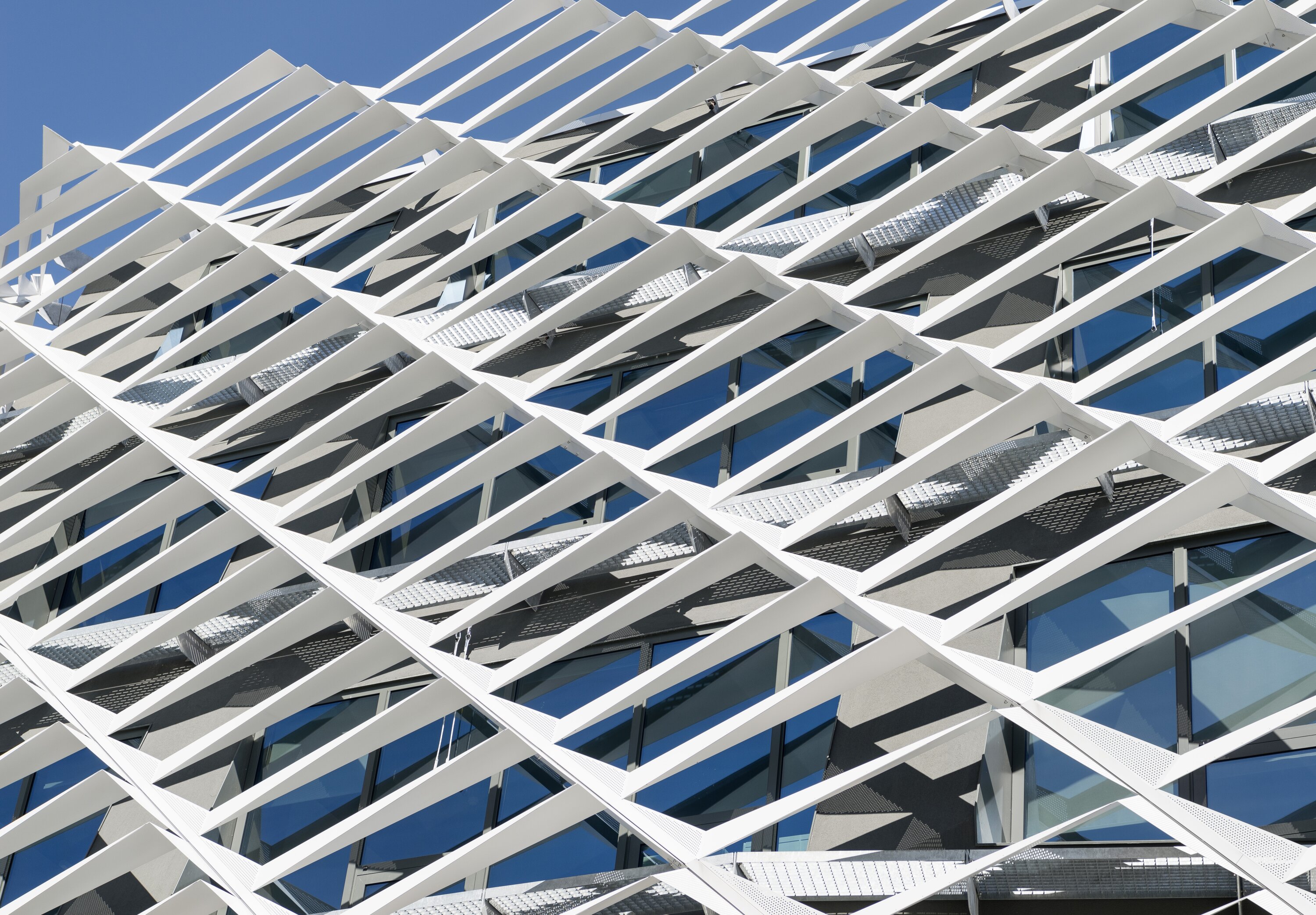
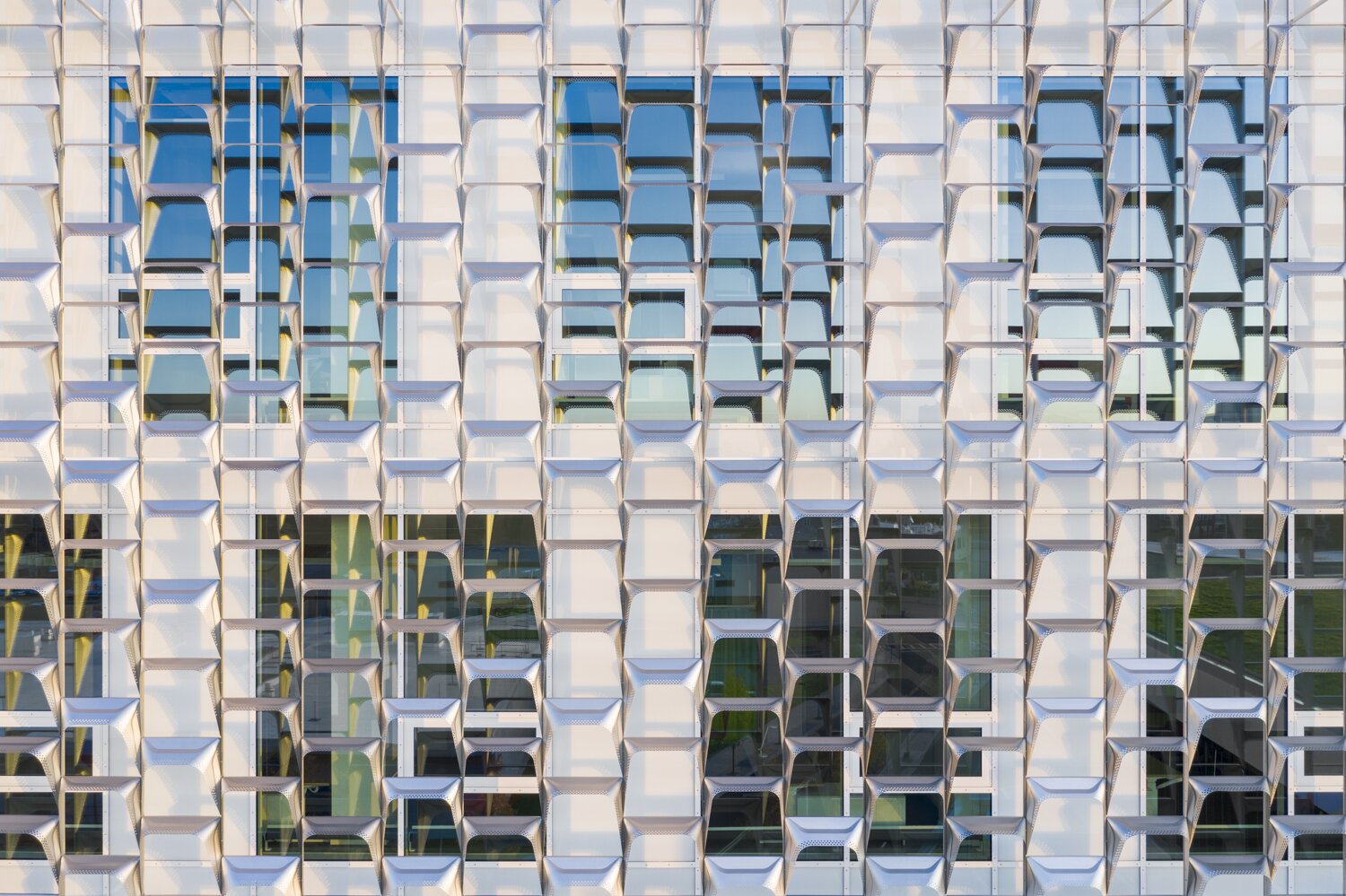
The building envelope is designed to enhance daylight inside the building. In specific areas, operable windows enable natural ventilation, supporting improved climate control. Daylight enhancement systems, optimized sunlight protection, responsible use of natural resources during construction and maintenance of the building, and the integration of both renewable and existing energy systems on site are essential aspects of a successful and sustainable work environment. They, together with ISREC’s (Swiss Institute for Experimental Cancer Research) own research goals, establish a future oriented image for the new facility.