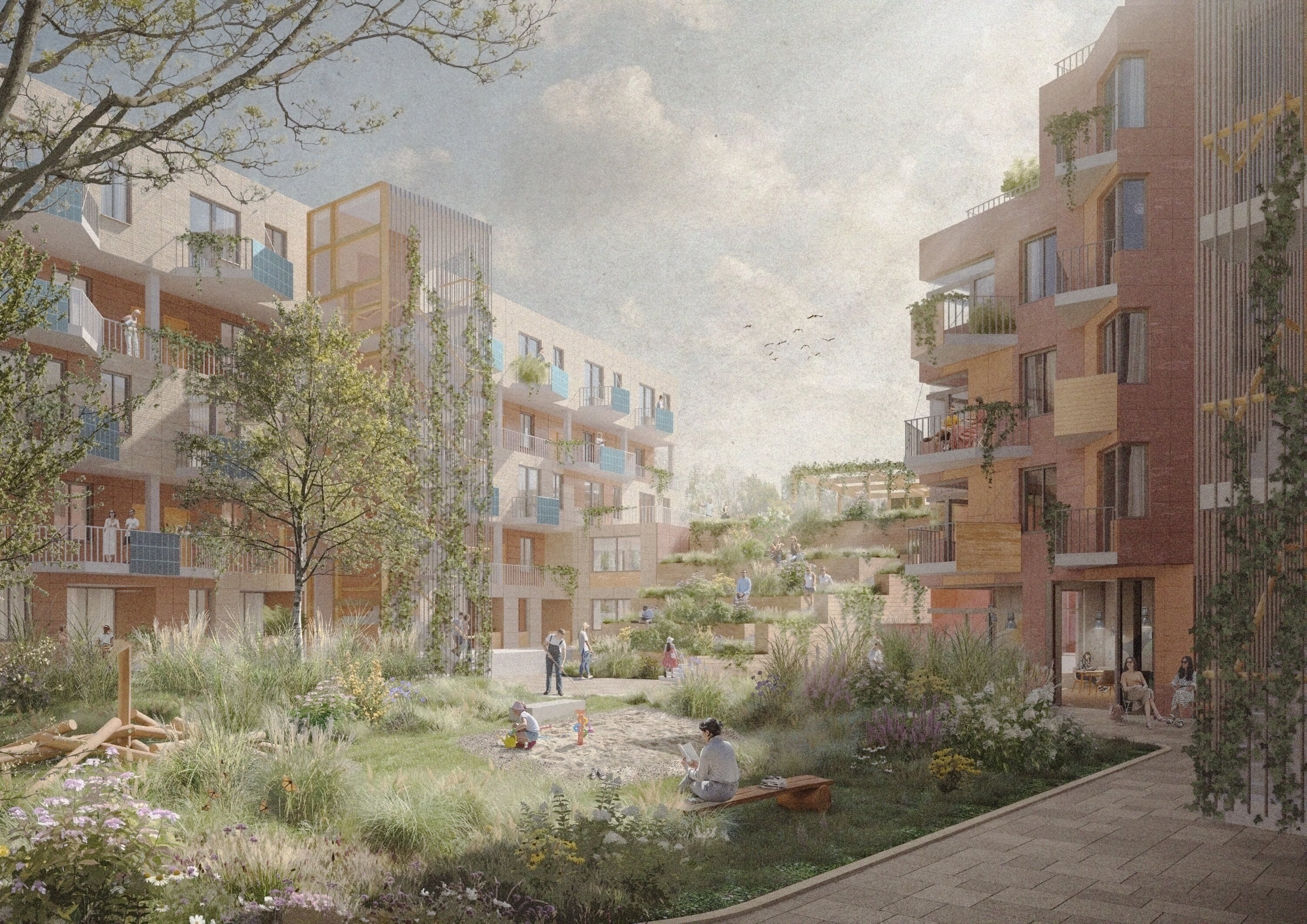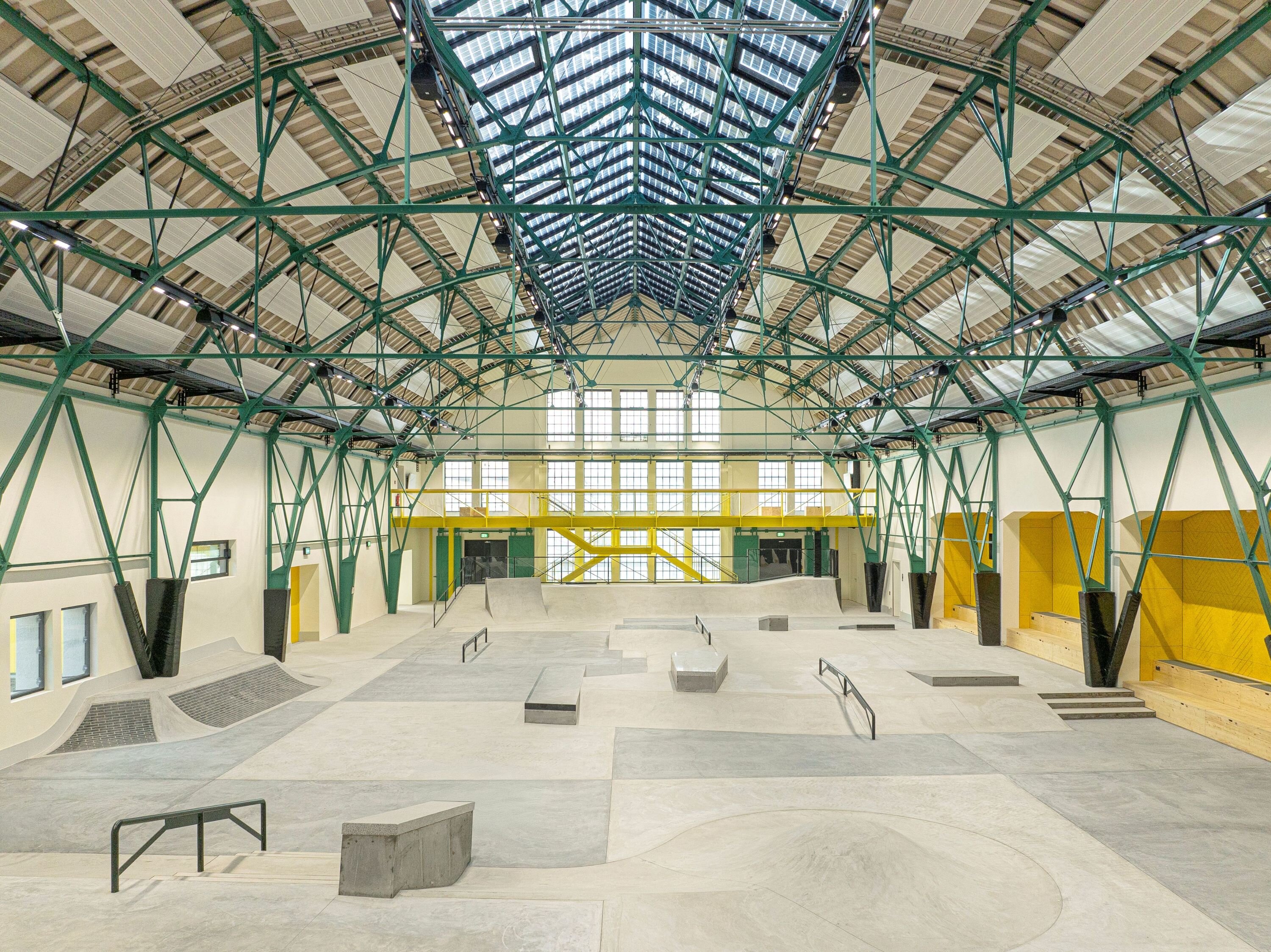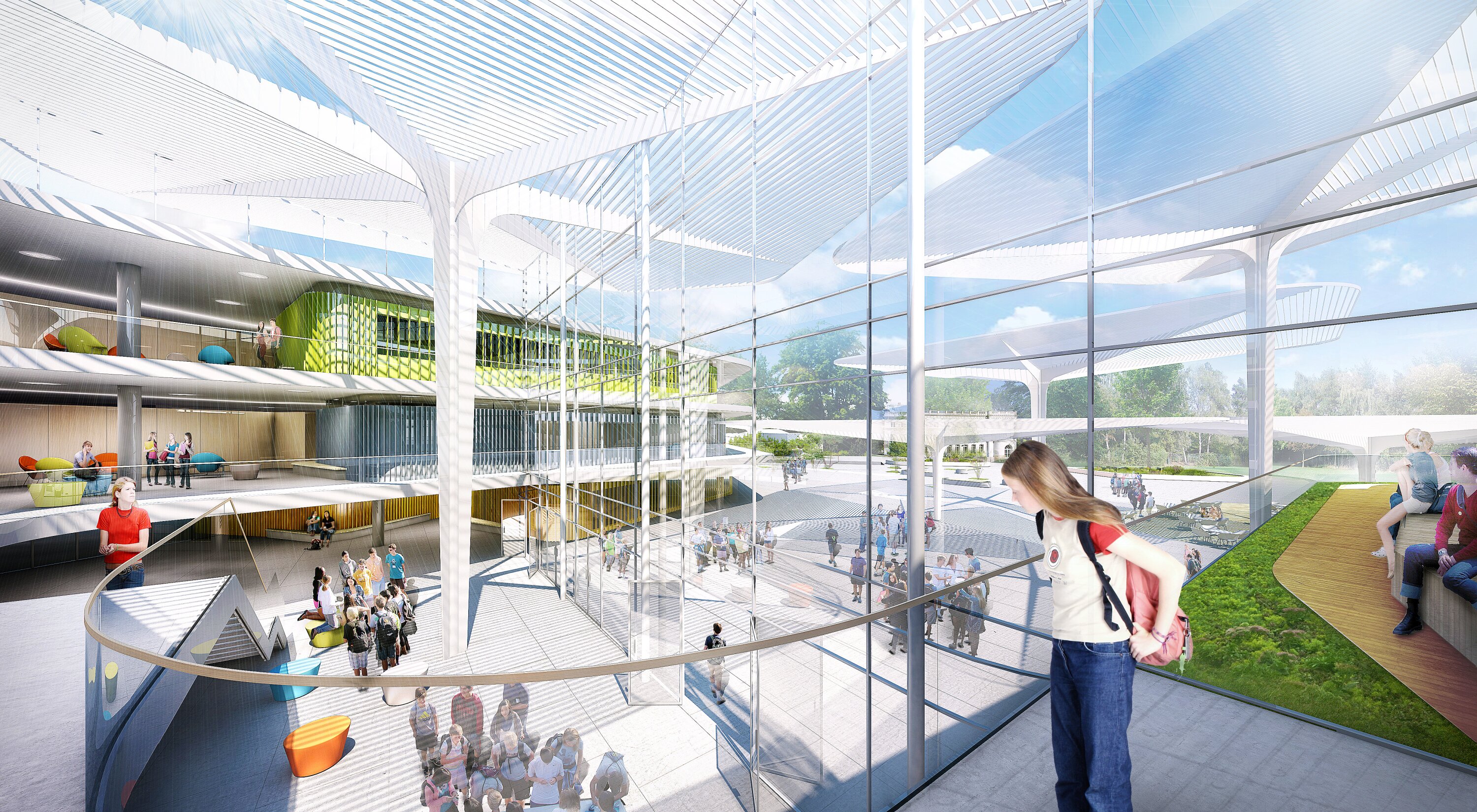
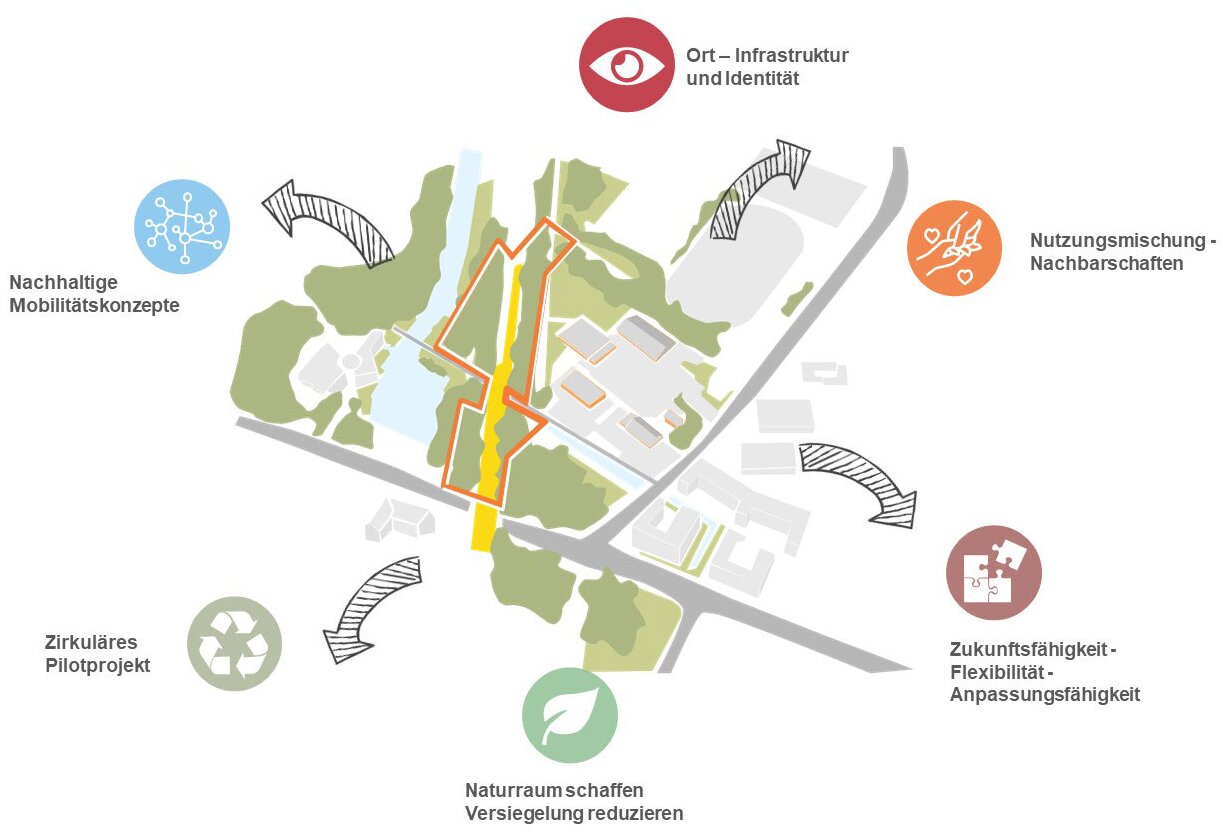
Our approach to circularity is holistic, extending from the urban scale down to the smallest detail. Limiting circularity and sustainability to materials or renewable energy is no longer sufficient to achieve climate neutrality in the construction sector. Similarly, relying solely on technical systems and highly insulated building envelopes is equally insufficient. Instead, we need more comprehensive strategies that include urban structures residents can identify with. When people feel connected to their environment, their sense of security grows, and they foster a neighborhood in which they care for each other and their shared spaces.
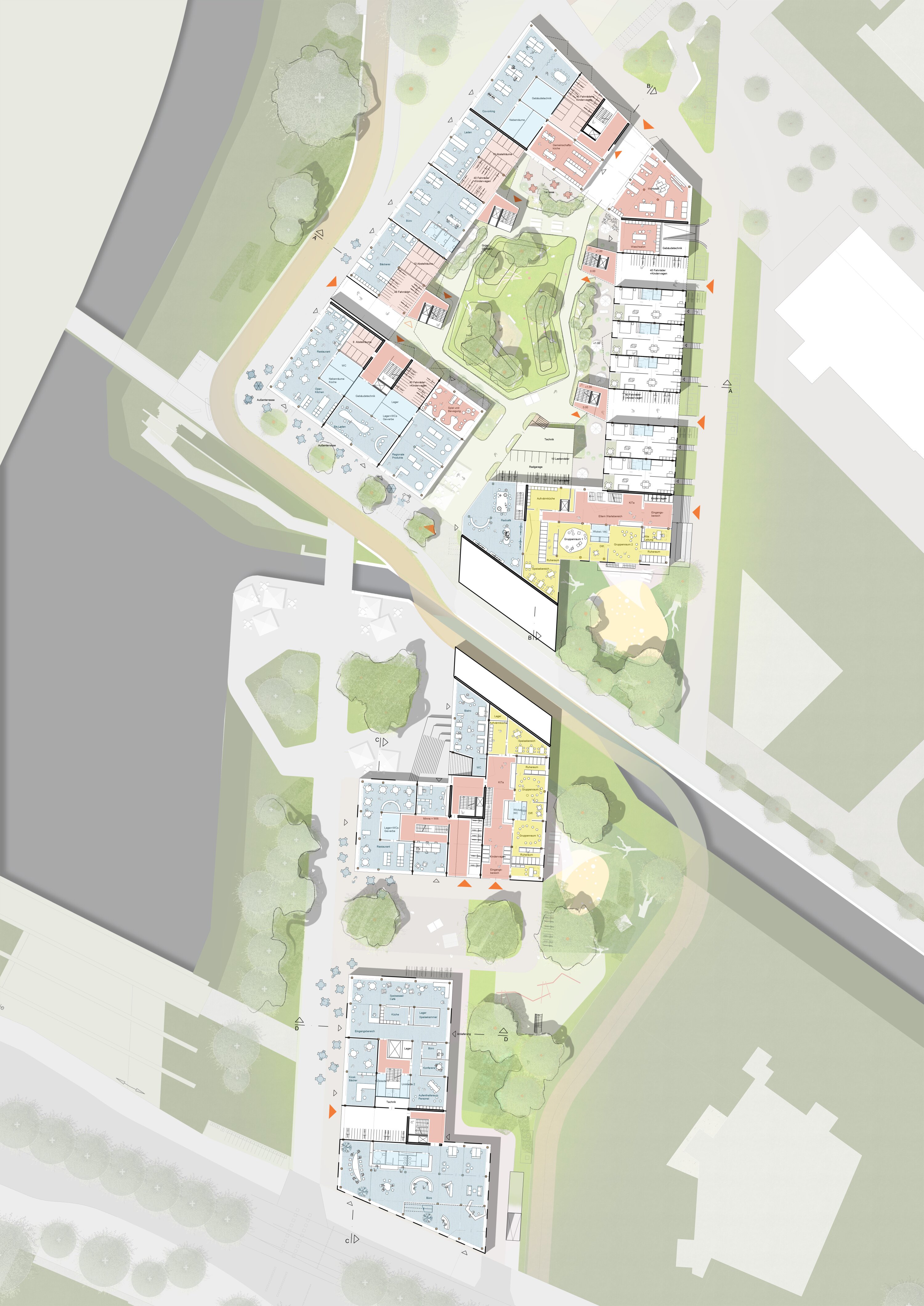
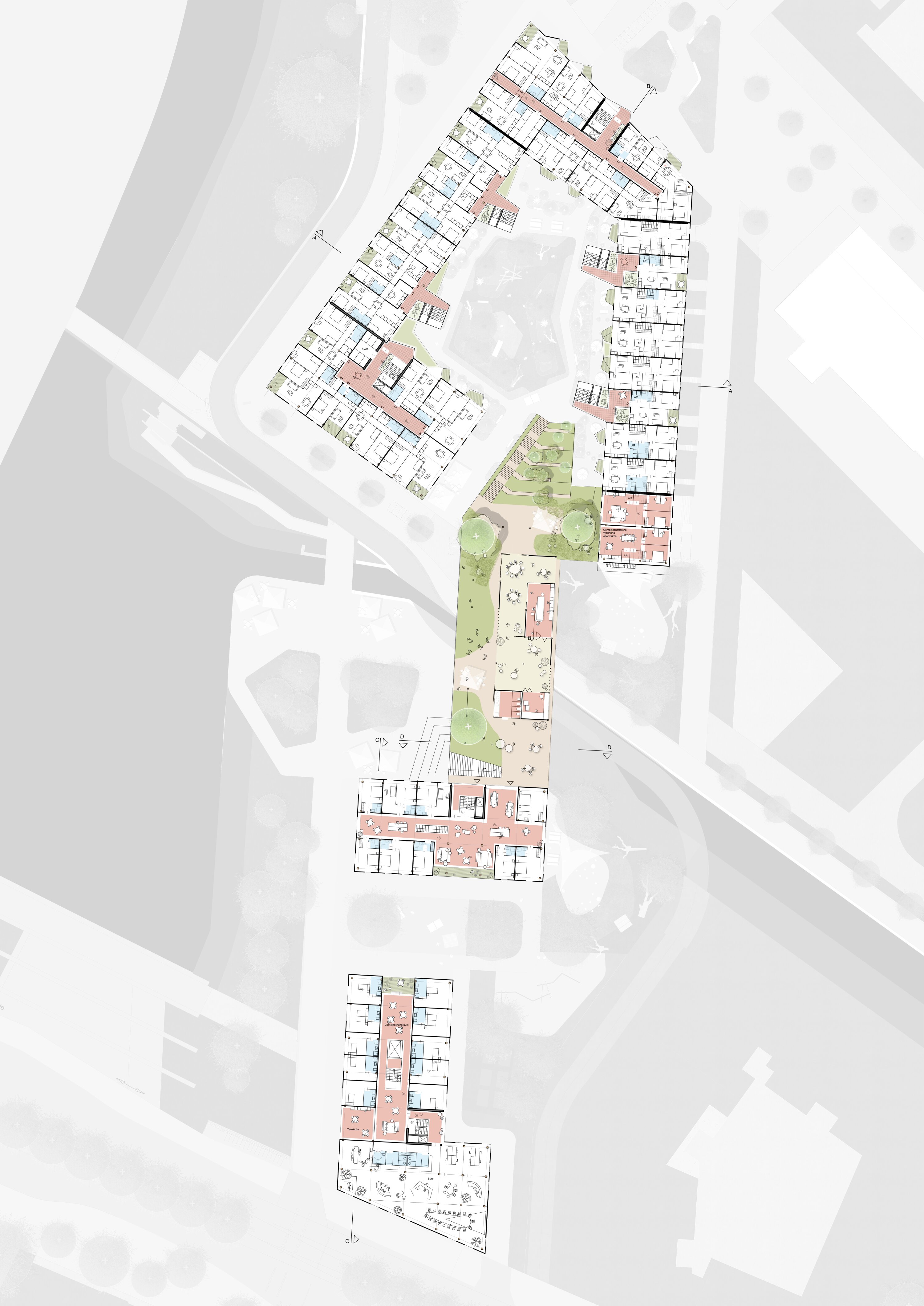
Level 0, 3
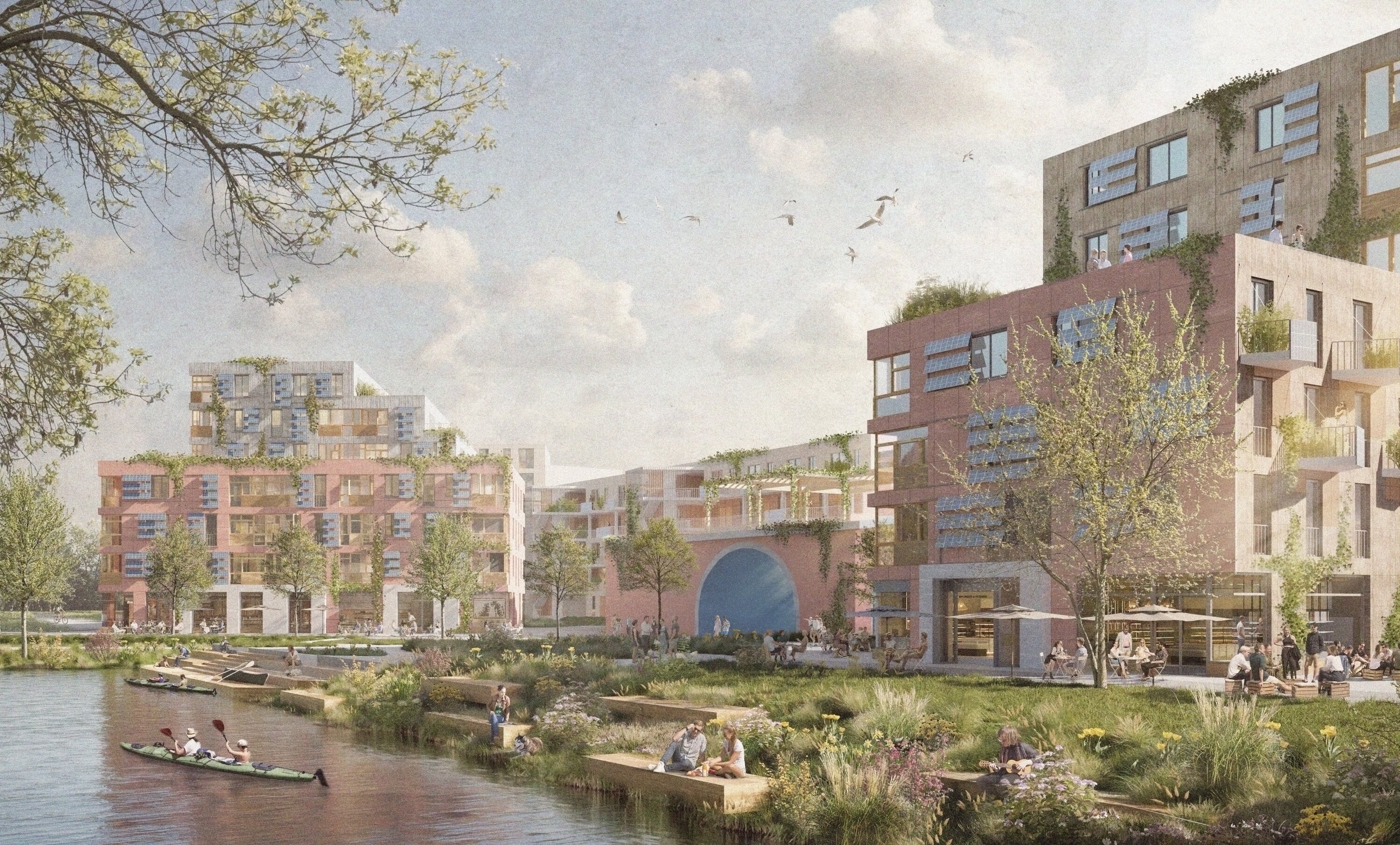
The project’s central location and high-quality communal outdoor areas, which invite residents to spend time together, reinforce this goal. We also designed vertical and horizontal circulation to serve as social meeting points: external pergolas replace internal corridors, creating additional communal spaces. A mix of apartment sizes broadens the appeal of the complex and encourages lively use. On the ground floor, communal areas alternate with storefronts, creating a balanced mix of functions and a vital residential quarter throughout the day and into the evening.
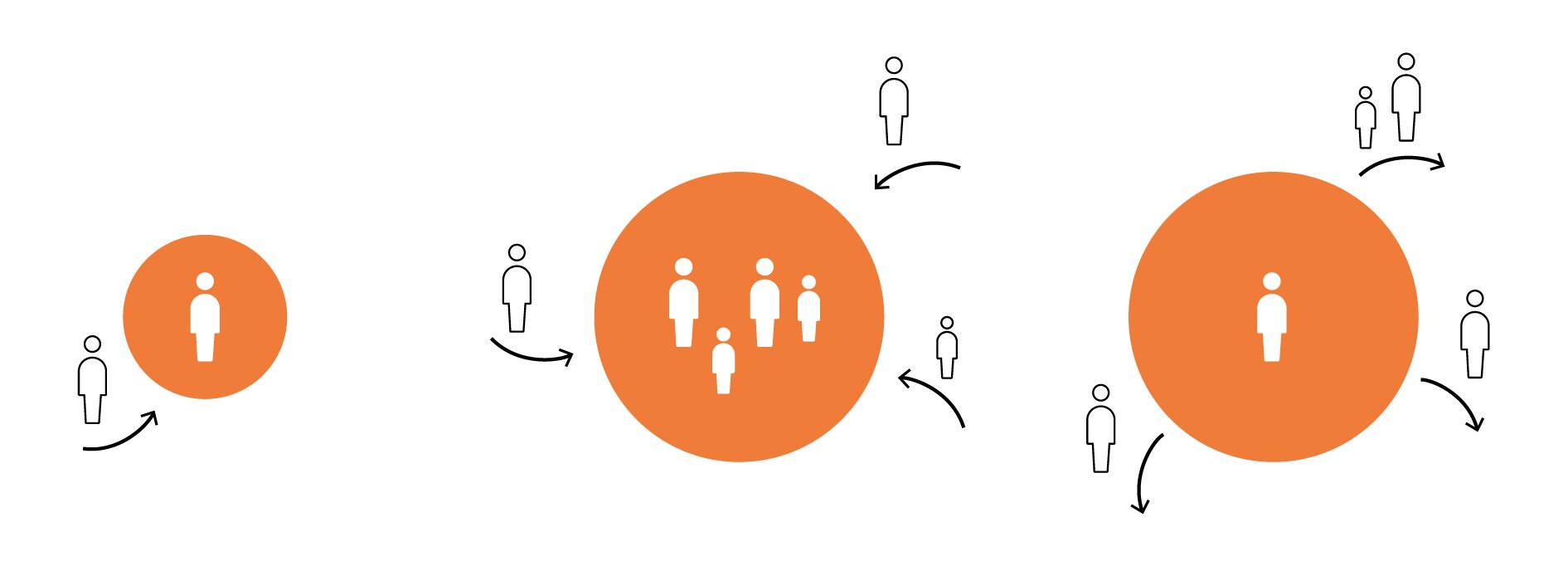
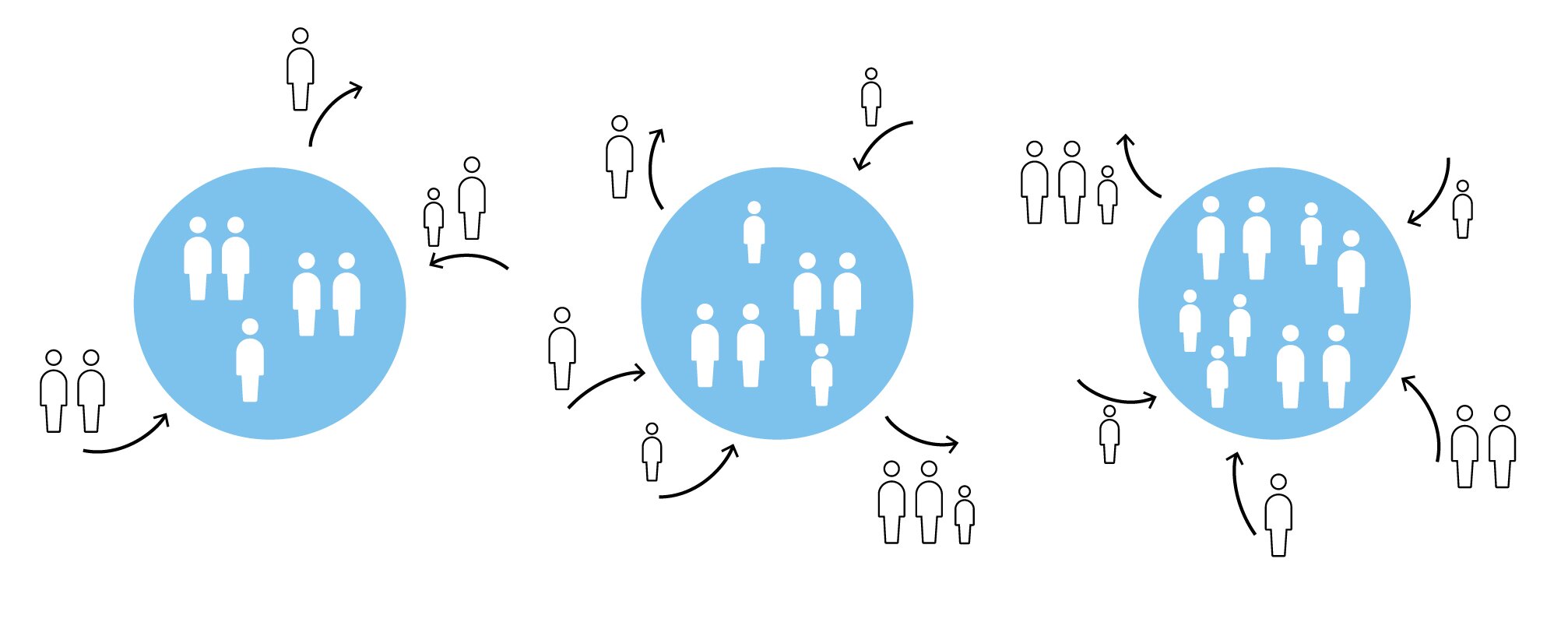
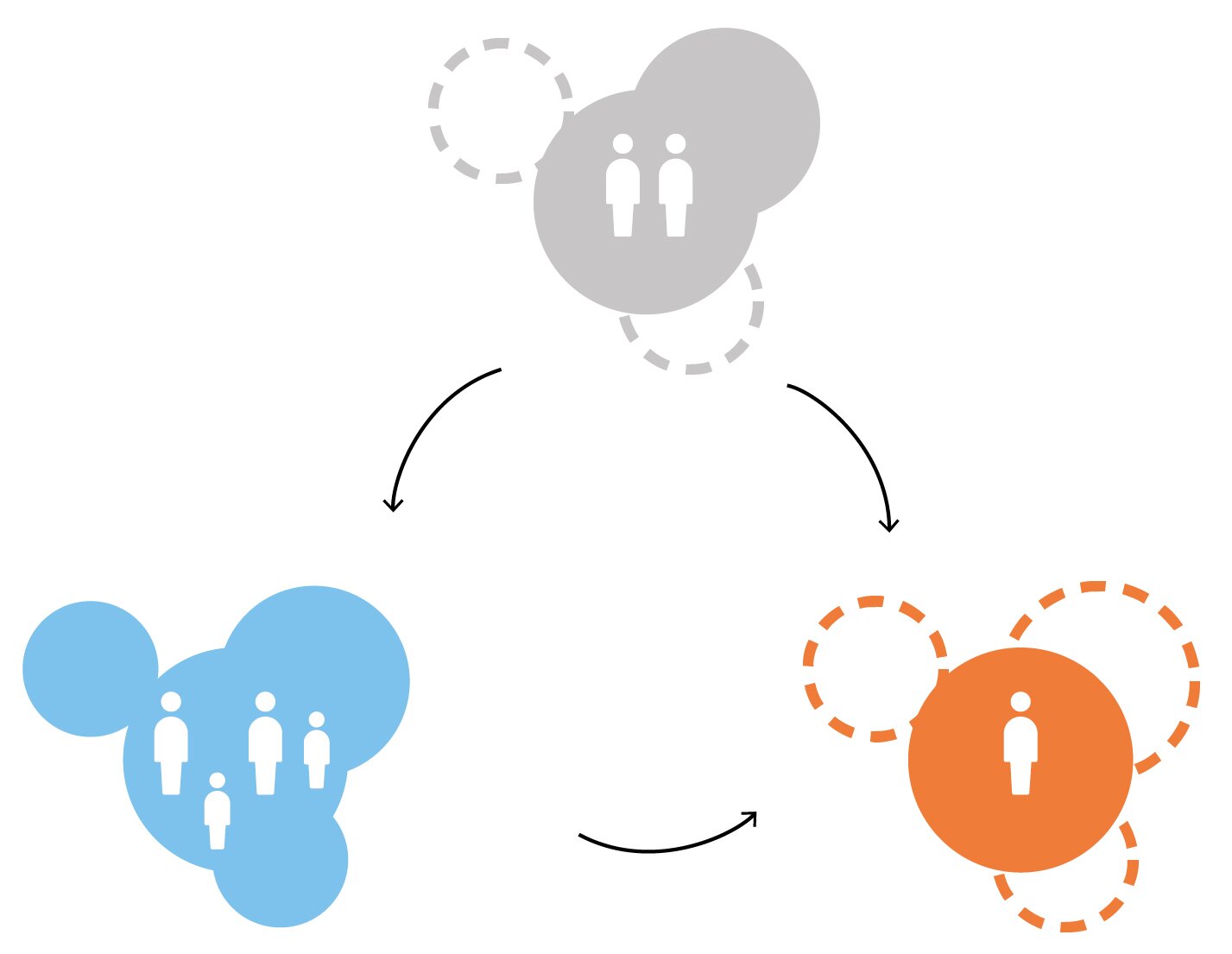
Switch Apartments
Understanding the building as an organism allows us to create floor plans that adapt easily to changing lifestyles and diverse living arrangements. Singles, families, blended families, and shared households all have evolving spatial needs. The concept of switch apartments responds to these needs by enabling units to expand or contract as needed: apartments can be linked horizontally or vertically via connecting corridors, often without structural alterations. This flexibility allows residents to stay in their familiar environment; it reduces per-capita floor area; and it extends the building’s lifespan through long-term, adaptable use (super-use).
- Client
- OTTO WULFF Projektentwicklung GmbH, IBA Hamburg GmbH, Behörde für Stadtentwicklung und Wohnen, Bezirksamt Hamburg-Mitte, Fachamt Stadt- und Landschaftsplanung
- Architects
- Behnisch Architekturbüro
- Address
Mengestraße, Wilhelmsburger Rathauspark
21107 Hamburg
Germany- Gross Area
23.681 qm / 254,902 sq.ft
- Gross Volume
101.254 cbm / 3,575,785 cu.ft
- Competition
2023, 1st prize
- Visualization
MOKA Studio
- Downloads
-
Download PDF
Employing materials in their pure form—solid wood or uncoated steel—ensures a high degree of recyclability. We can avoid technically complex systems by relying on constructive solutions, such as in roof structures or drainage. Low-tech measures like thermal buffer zones, natural ventilation, efficient sun shading, and night flushing further enhance the building’s performance.
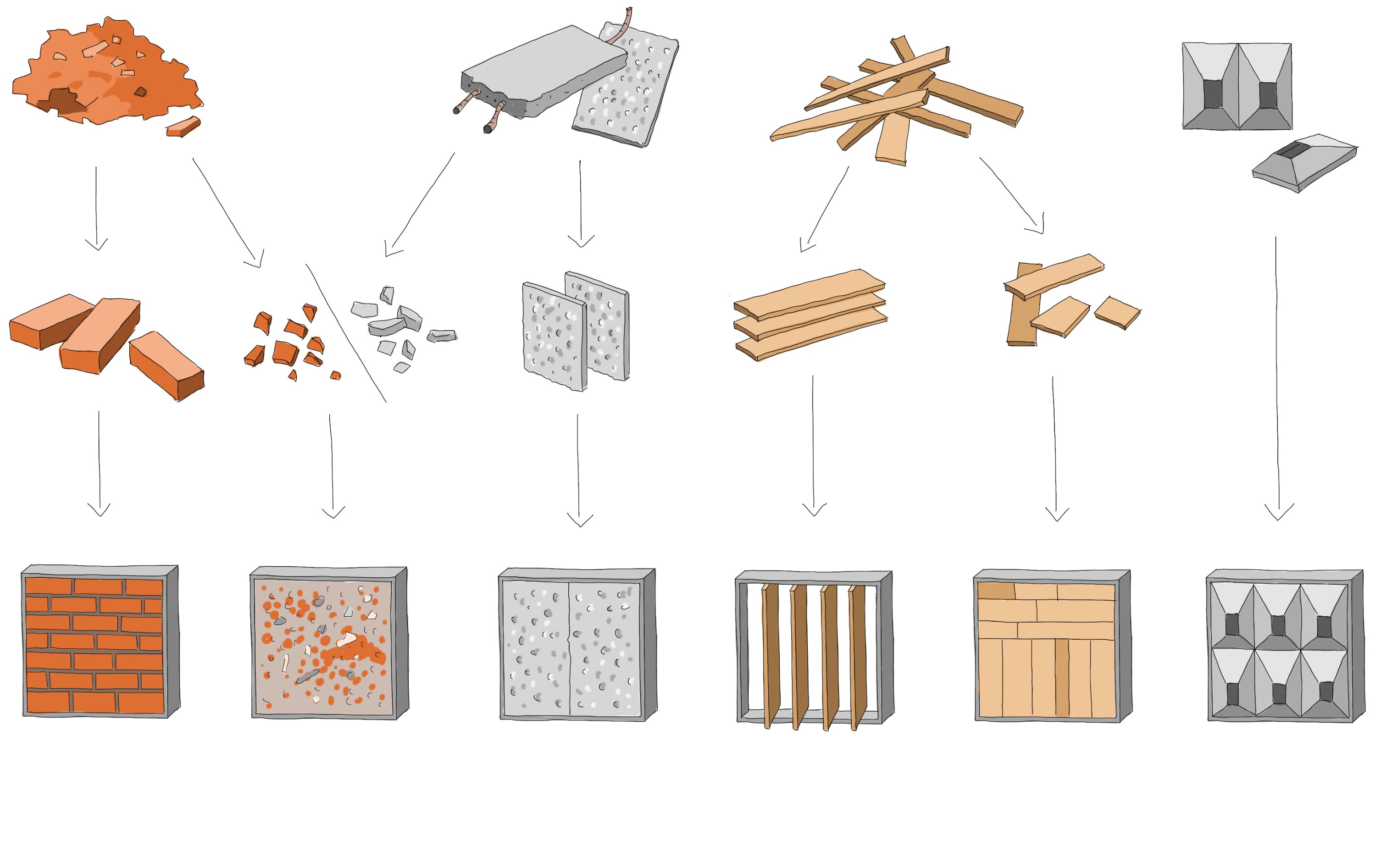
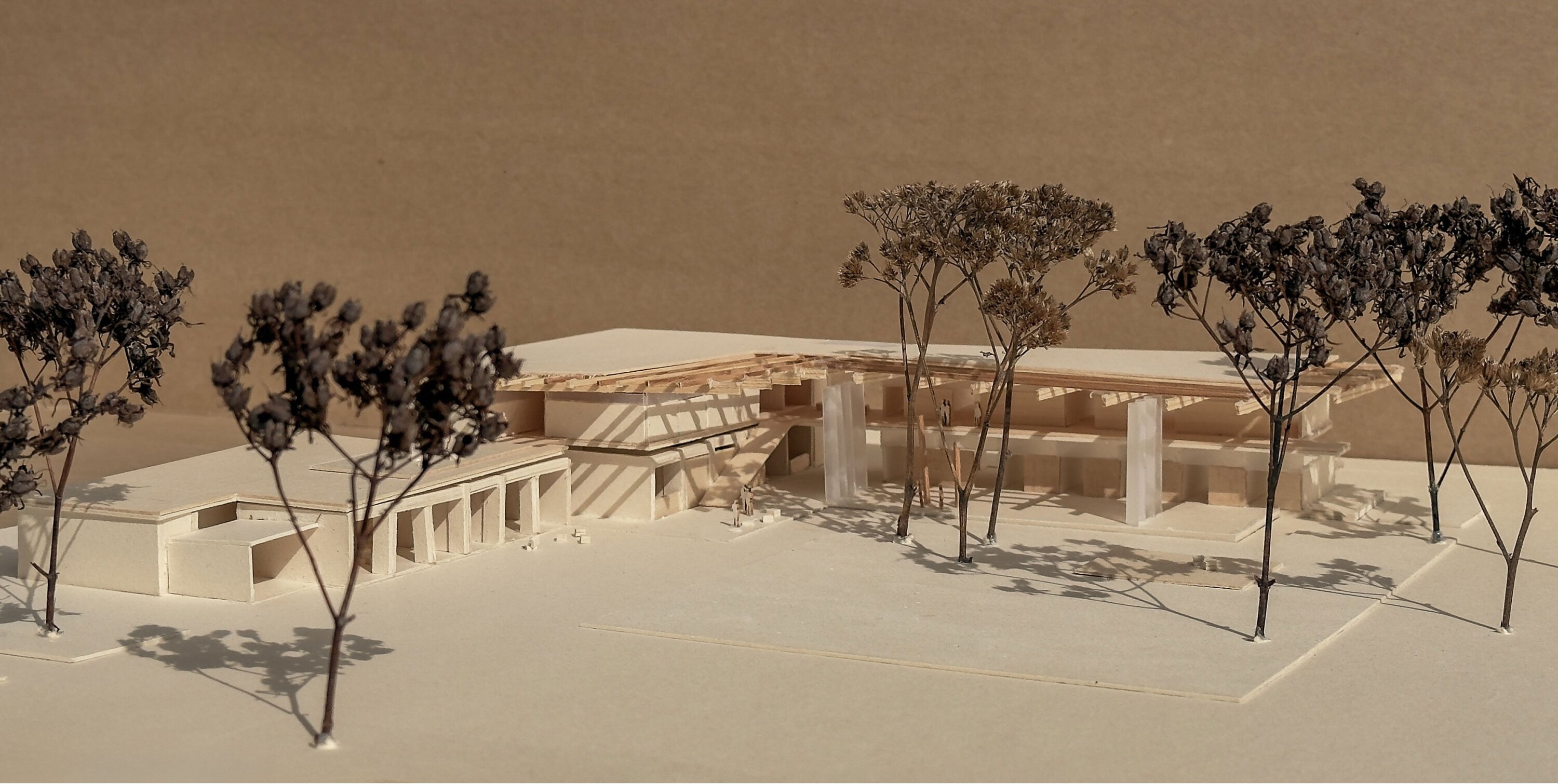
A skeletal system of timber columns and continuous, ceiling-flush steel beams, is the most economical solution for the primary structure, allowing for effective material use and future reuse. These—and all other—connections are designed to be fully separable. The exterior walls are formed by a prefabricated timber-frame facade, with half of the elements inserted between the floor slabs. This approach saves up to 75% of the wood required for a solid timber wall and significantly reduces the amount of steel used.