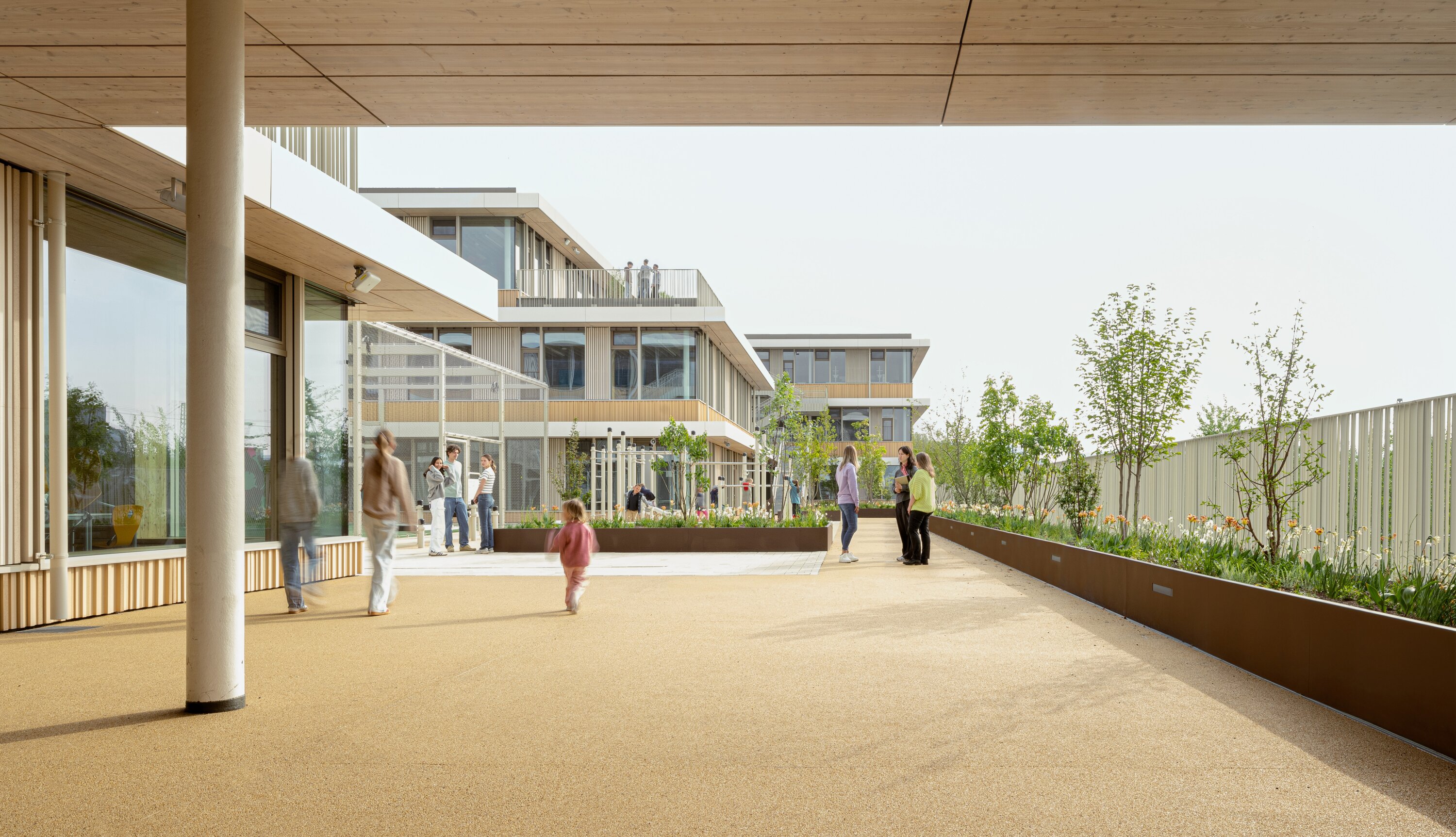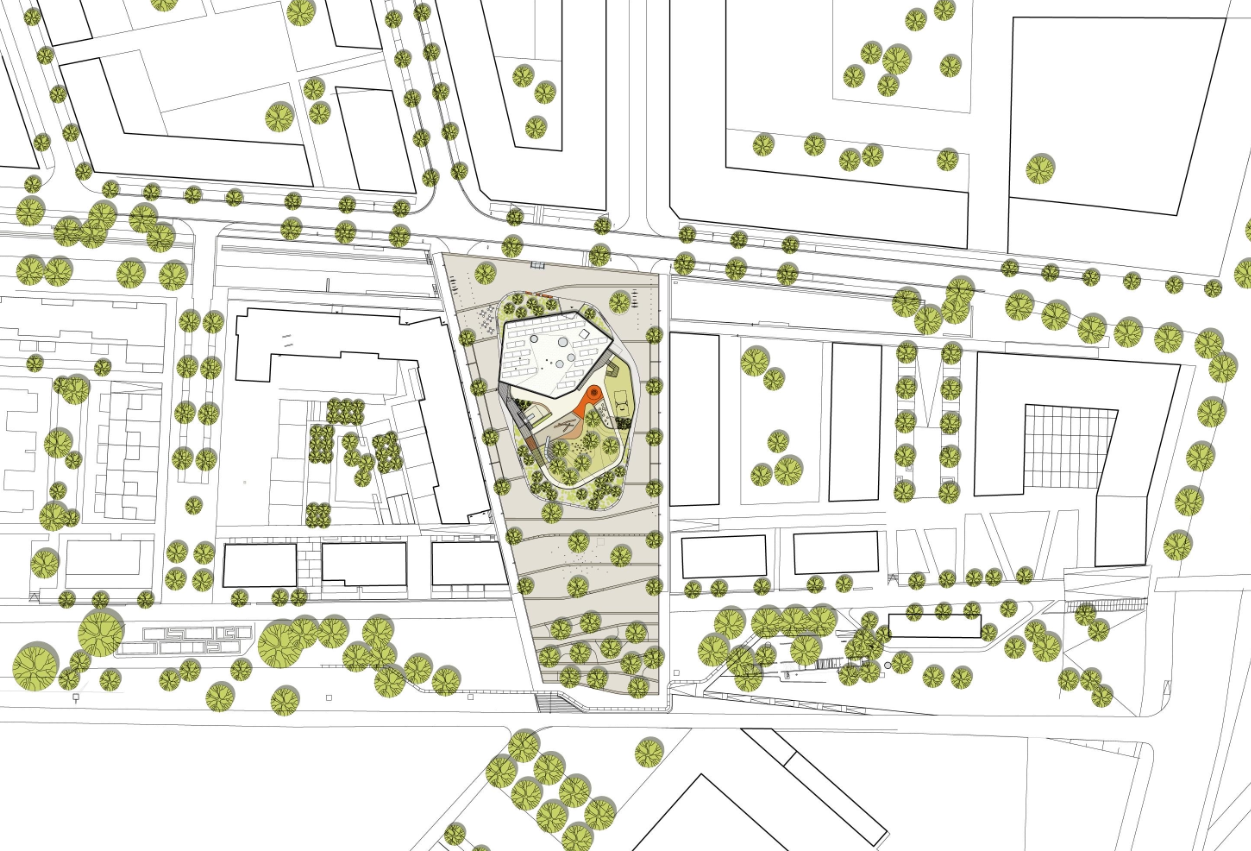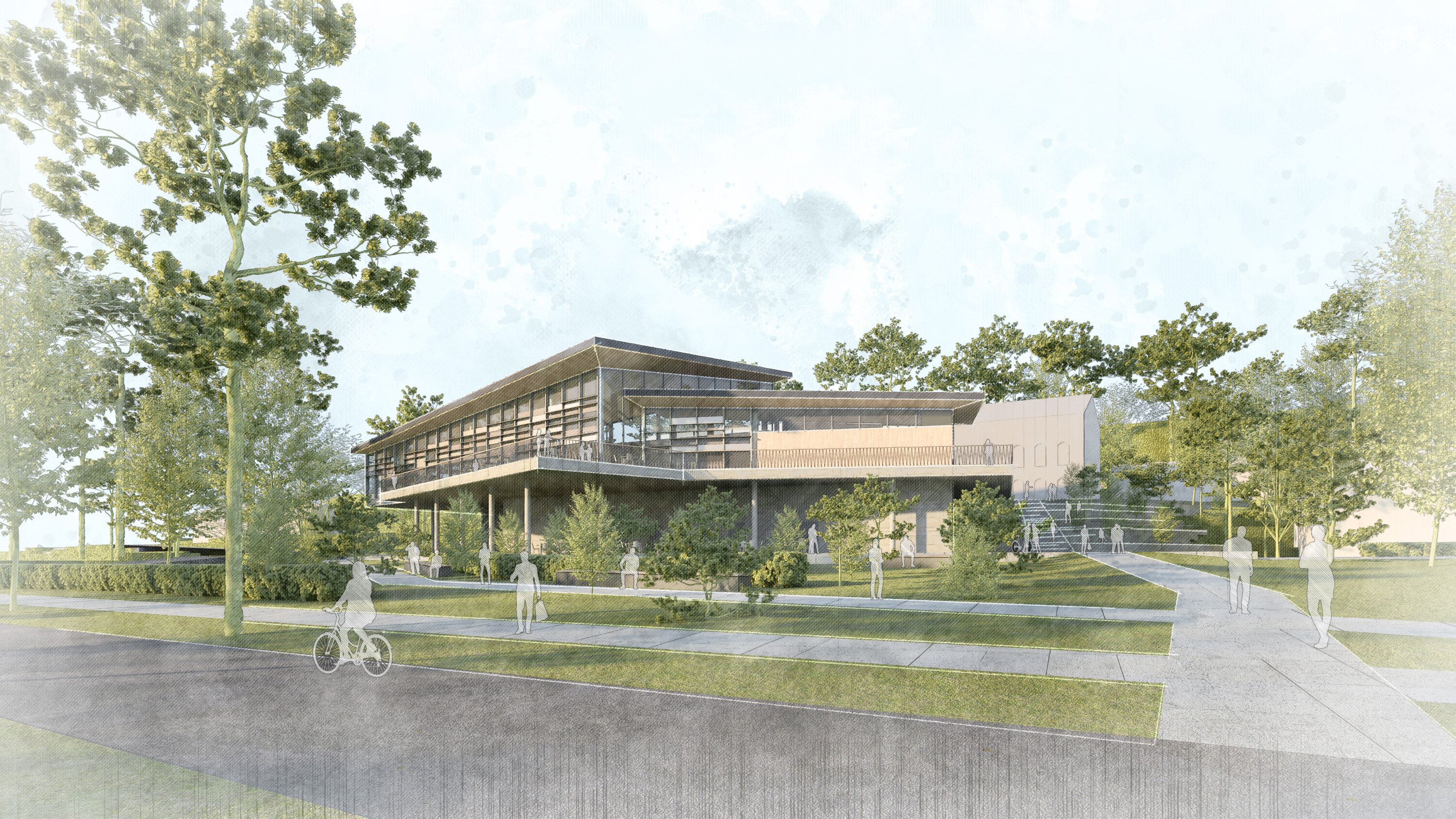

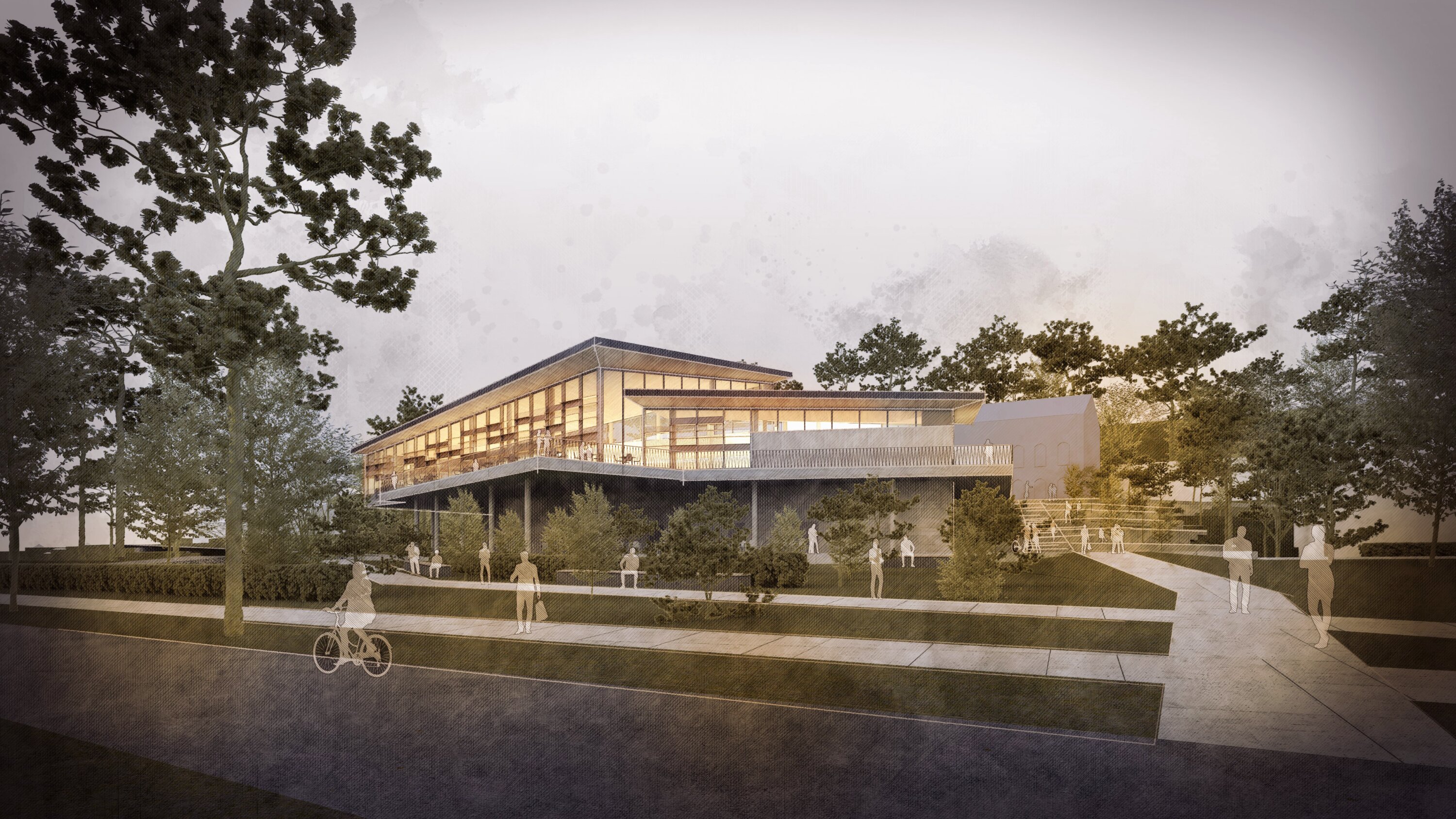


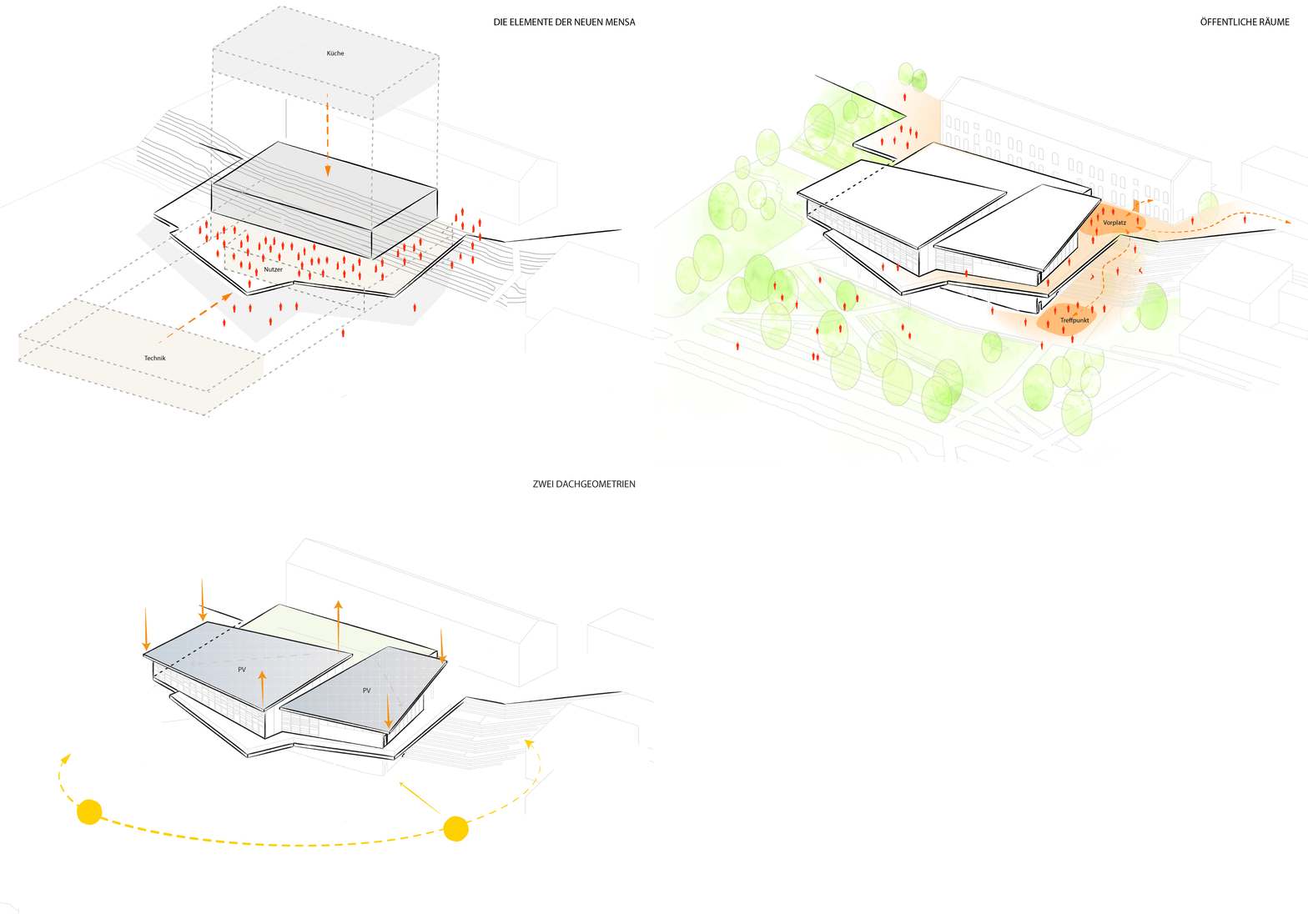
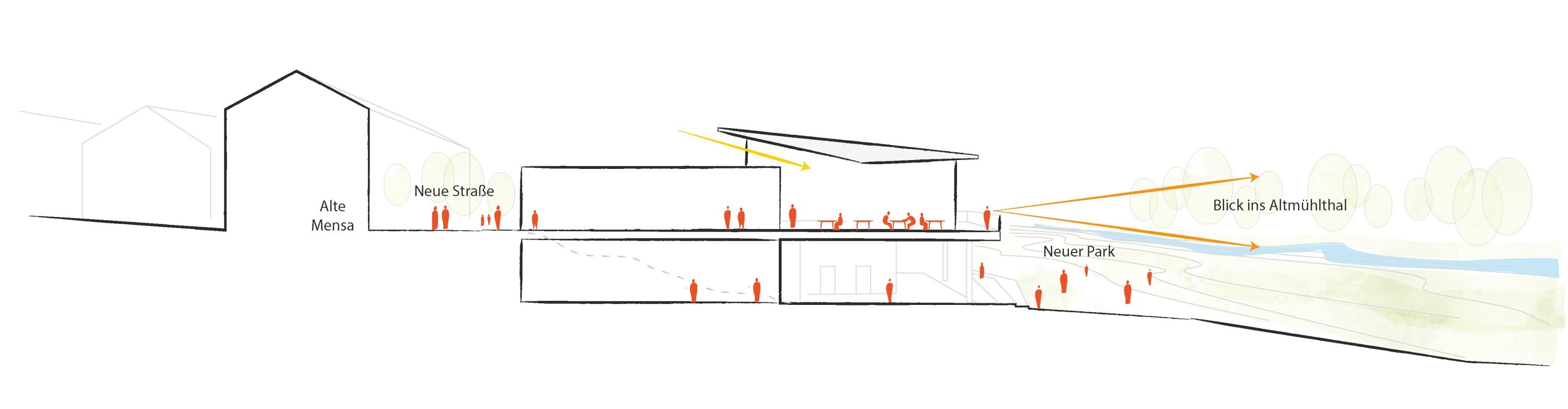
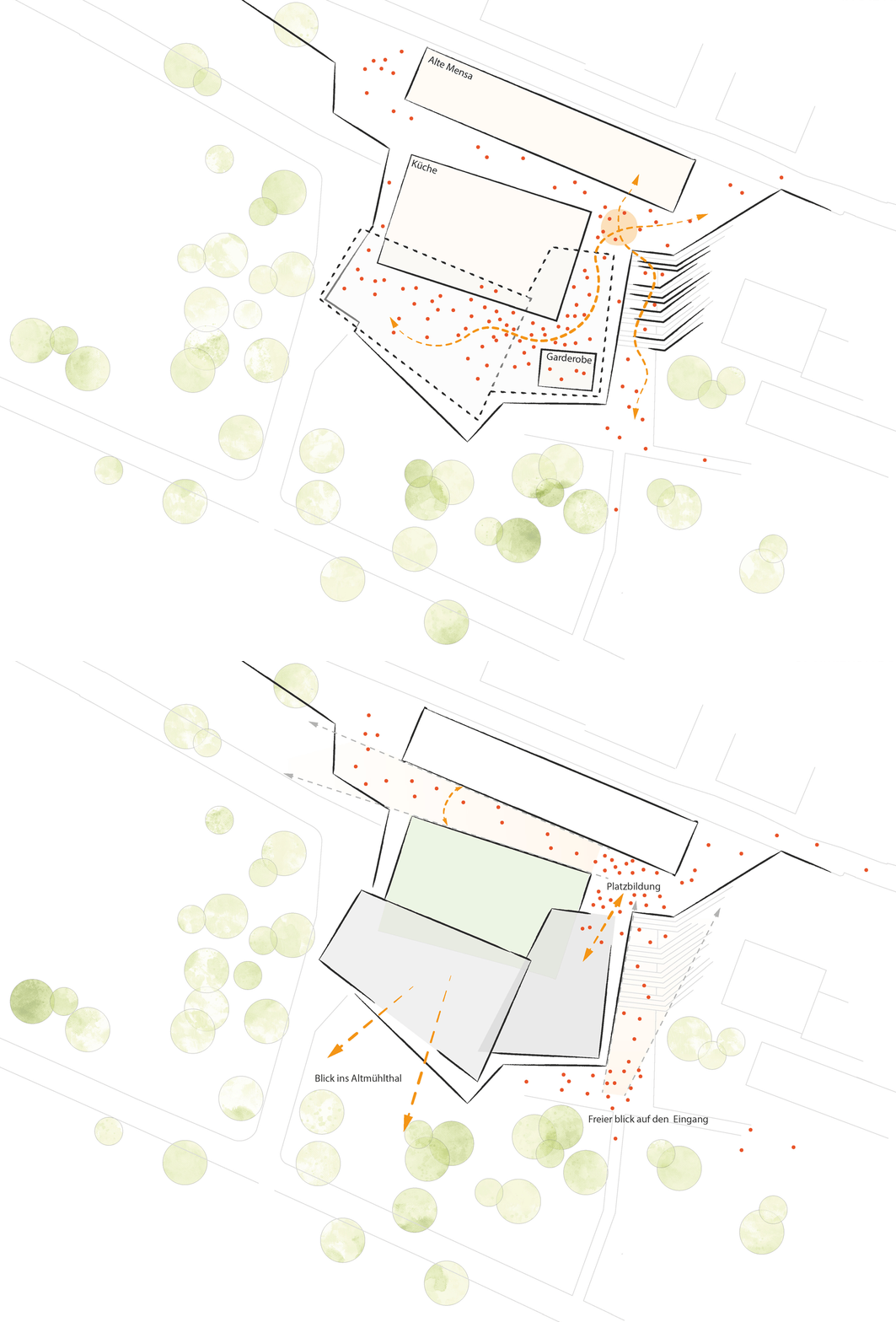
The three-part building, with each section rising to a different height, makes skillful use of the sloping site to create two levels, each of which can be accessed from ground level. The free forms of the foyer and canteen on the upper level are arranged around the kitchen facilities located further up the slope, while the service areas on the lower level are embedded within the topography. The building’s edges guide visitors toward the entrances and give rise to new outdoor areas.

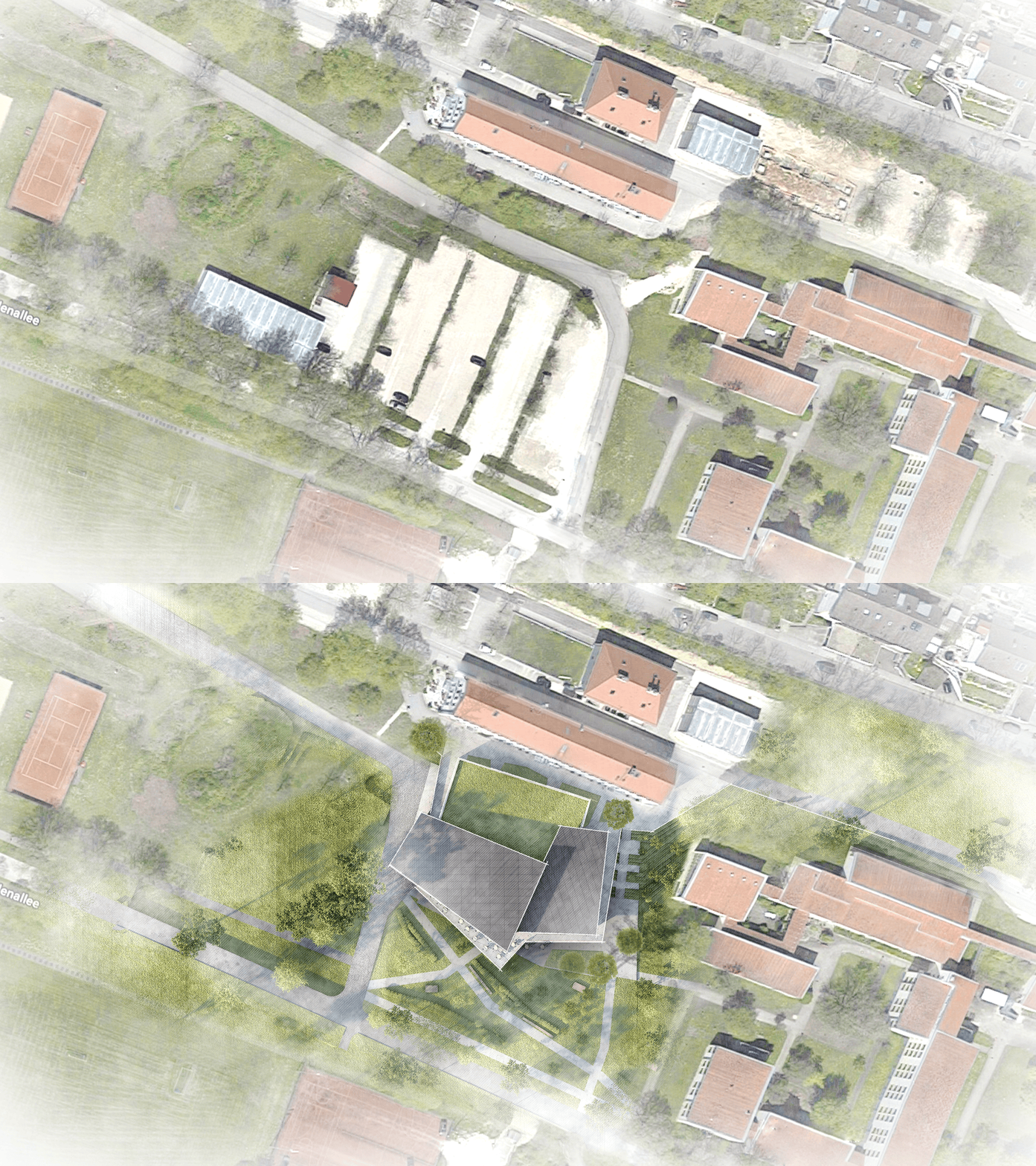
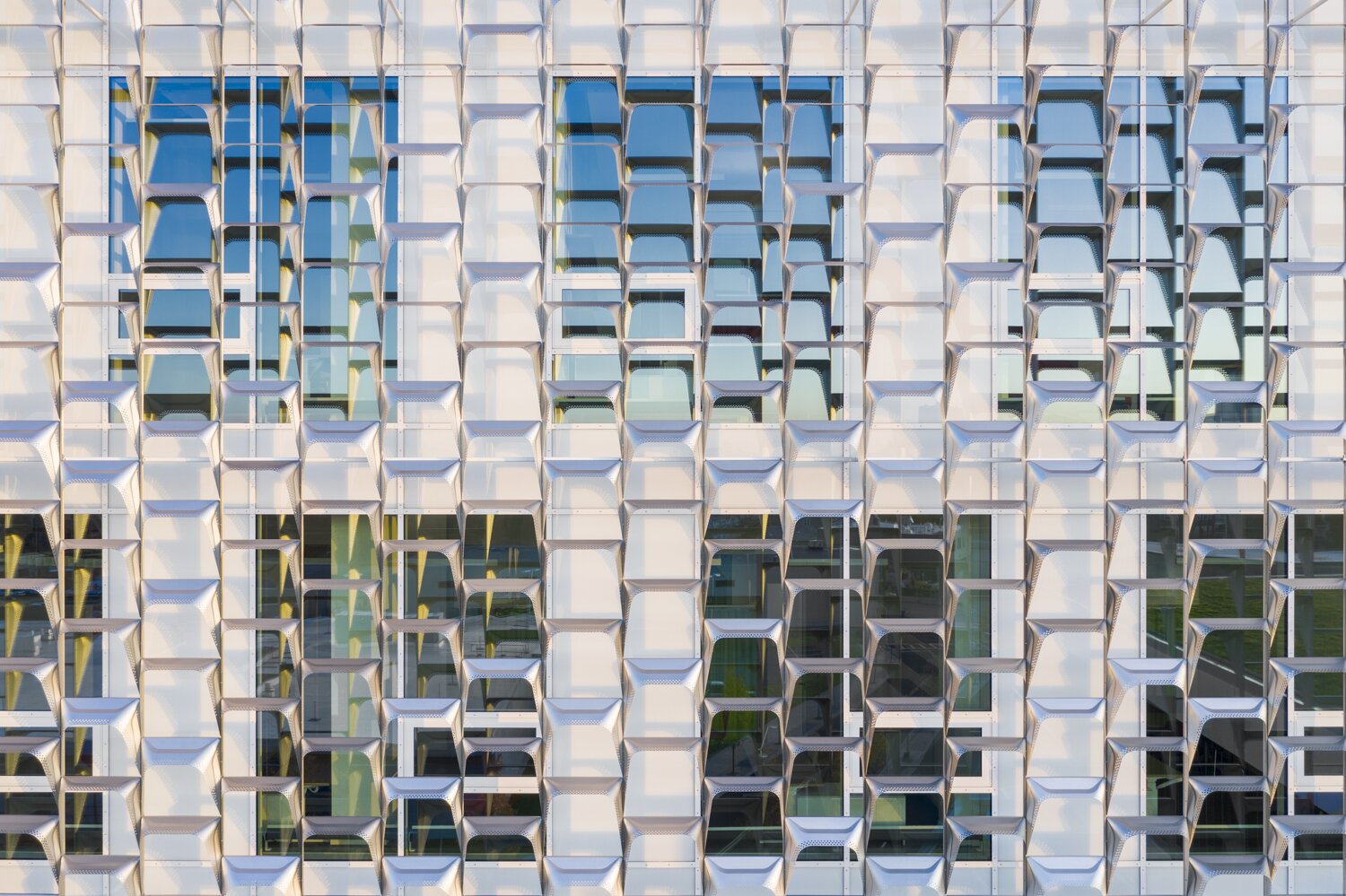
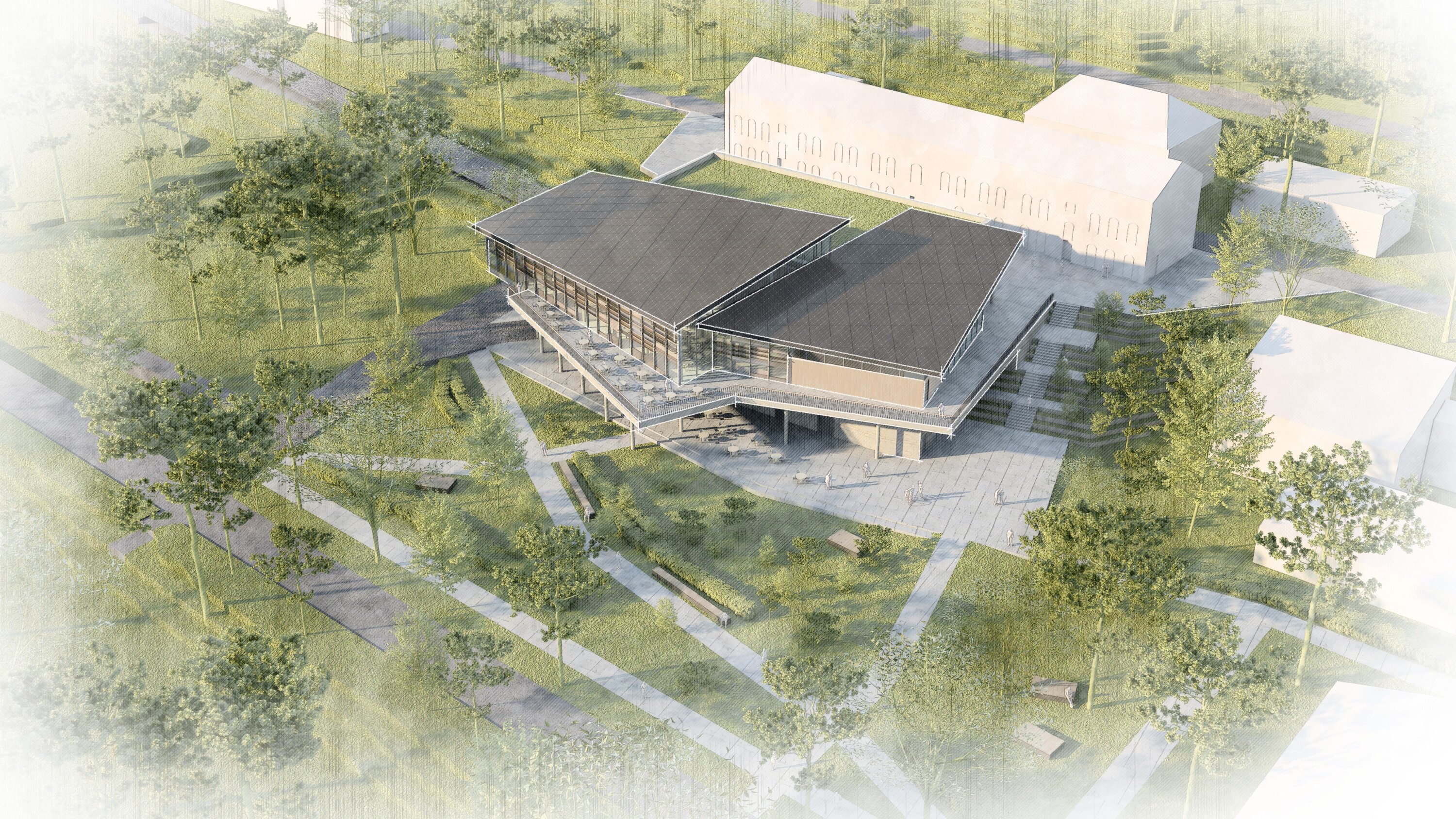
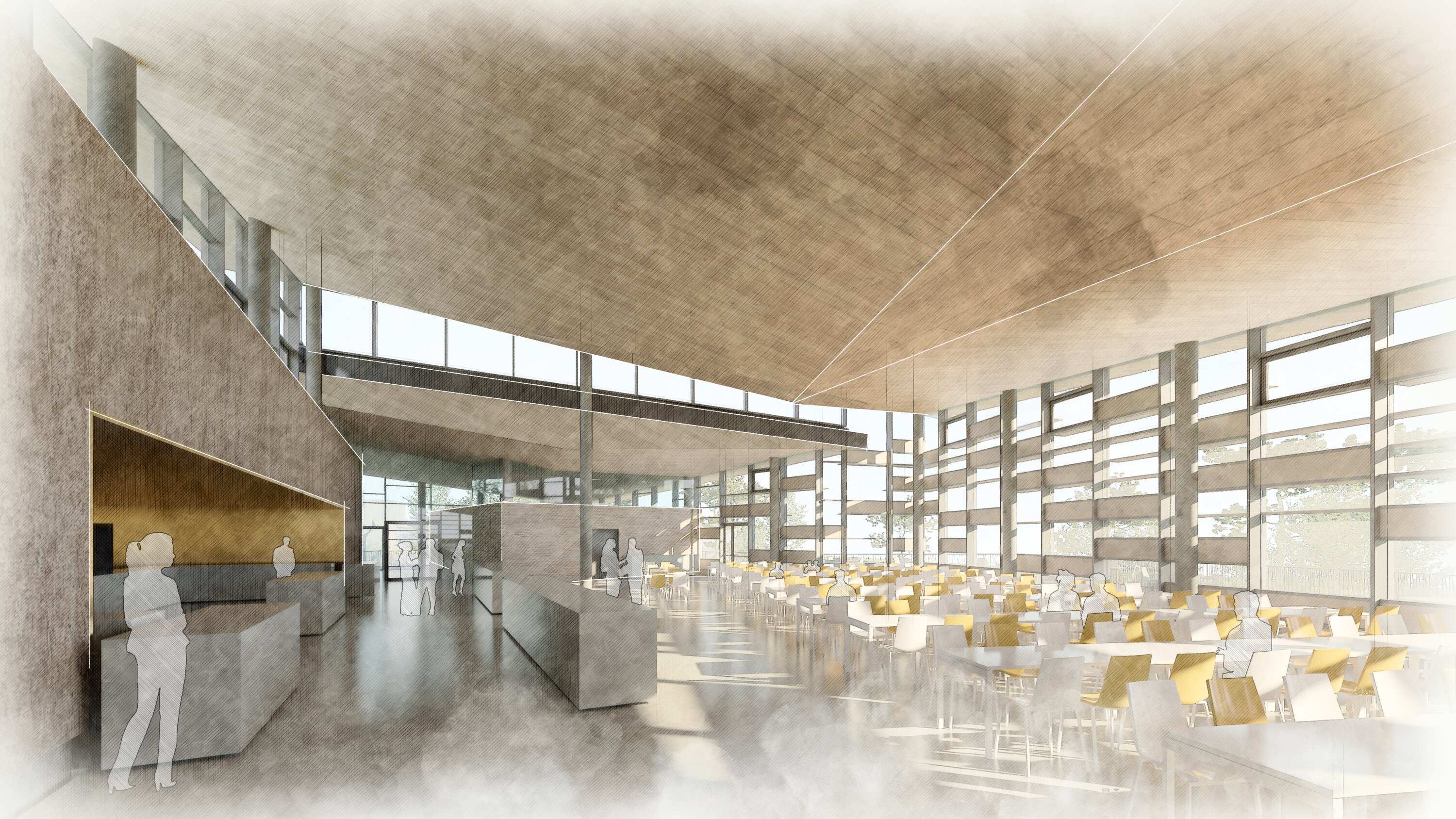
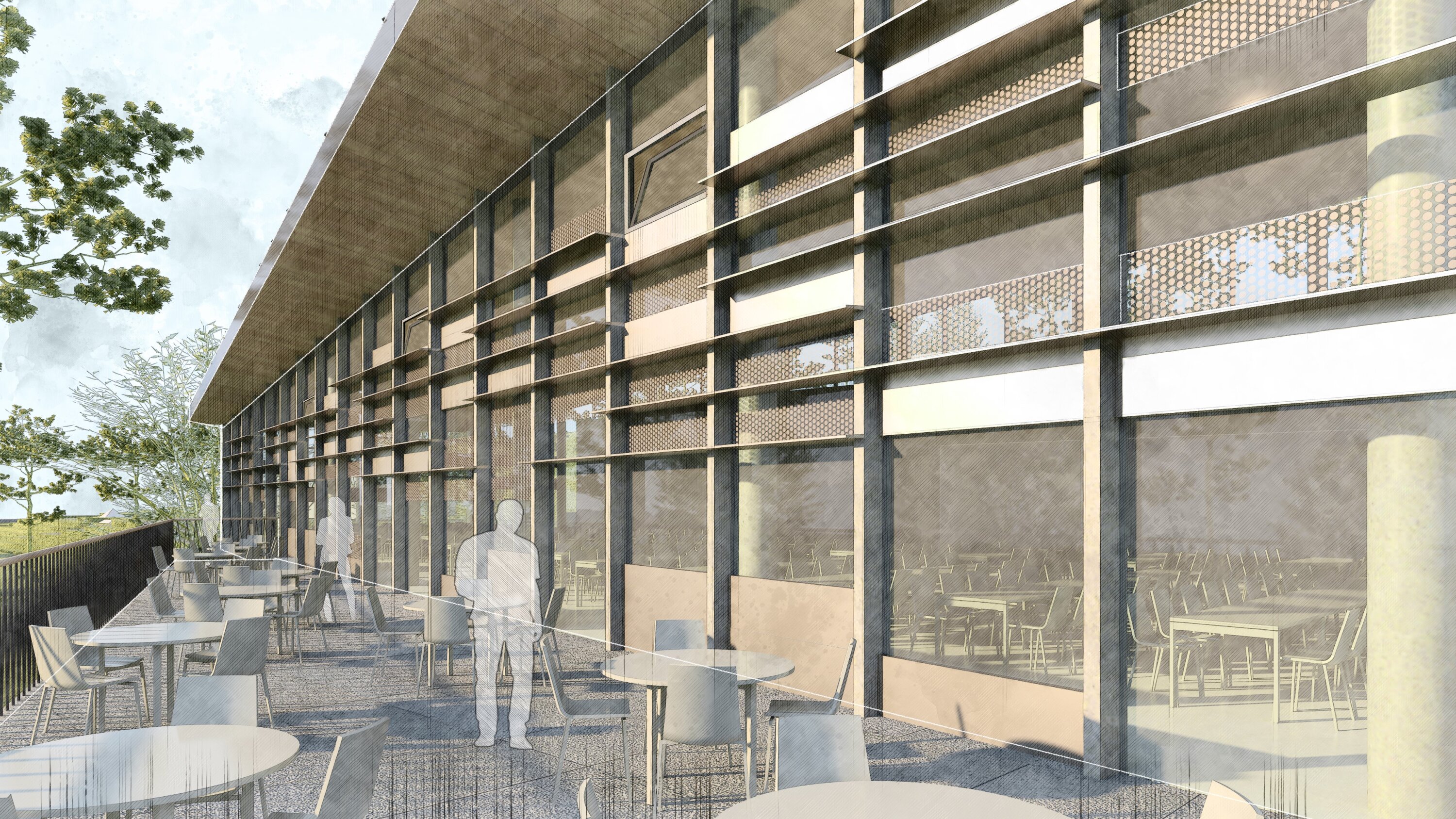
The heart of the building is the south-facing canteen on the upper level, with seating for approximately 330 people. It offers expansive views of the surrounding valley, creating the sensation of dining outdoors throughout the year. This effect is ensured by a fine interplay of transparent and opaque elements, combined with fixed external lamellae that provide protection from the sun. This sunshade system was meticulously simulated, and the optimal positioning of closed panels ensures that no movable sunscreens are required.

- Client
- Staatliches Bauamt Ingolstadt
- Architects
- Behnisch Architekturbuero and Seibold+Seibold
- Address
- Gross Area
3.811 qm / 41,022 sq.ft.
- Gross Volume
24.309 qm / 858,472 cu.ft
- Downloads
-
Download PDF


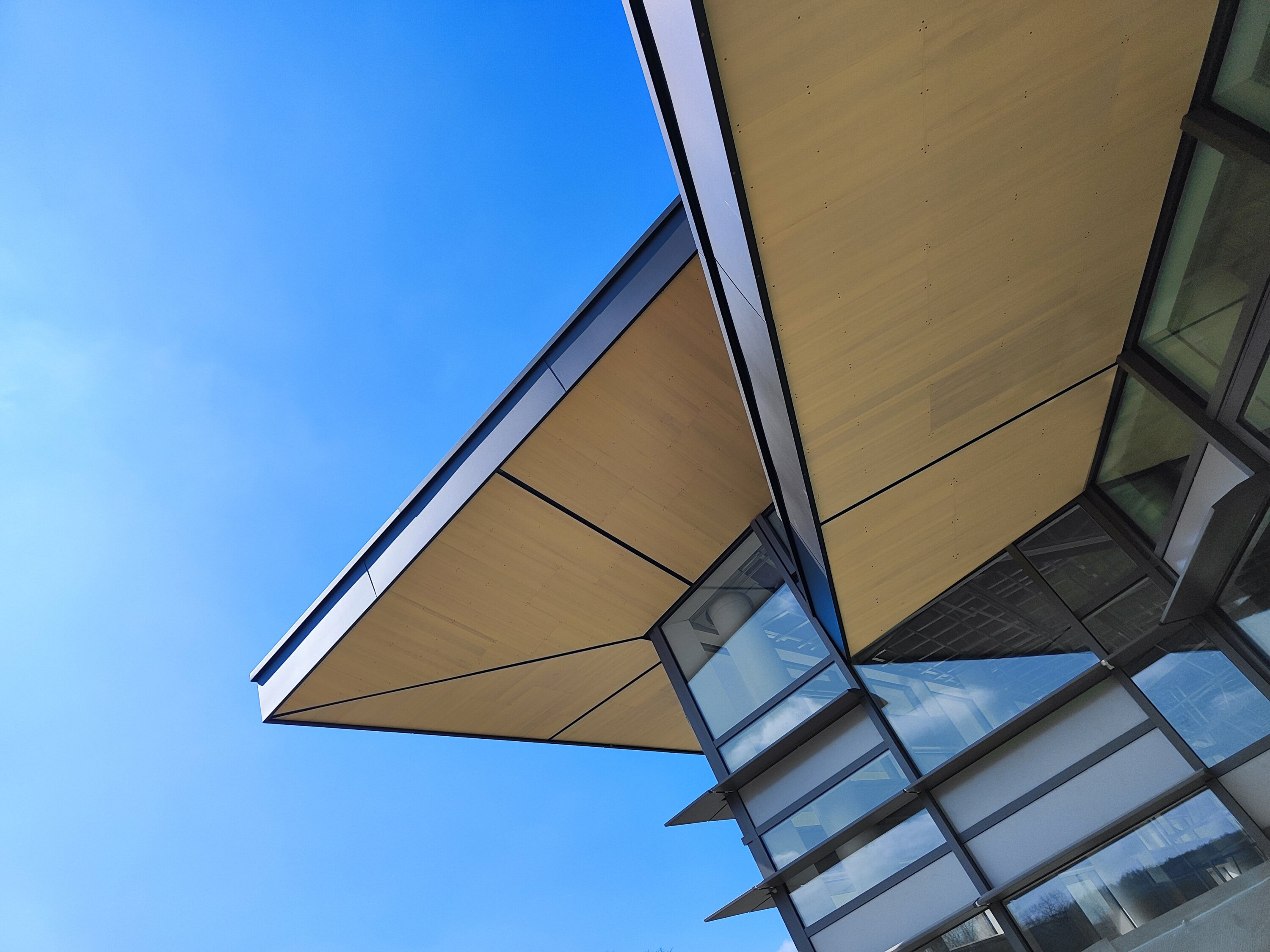

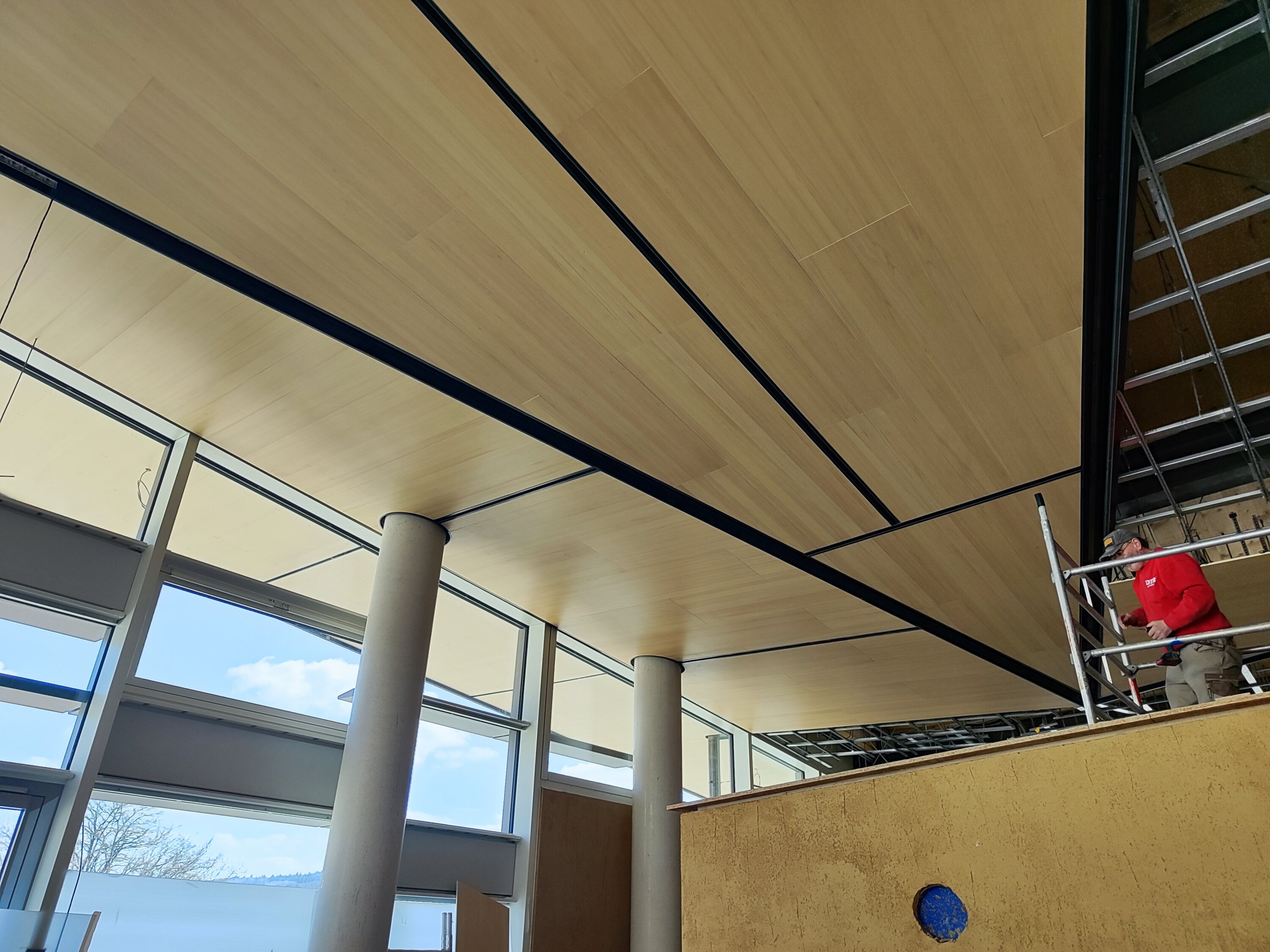
construction phase
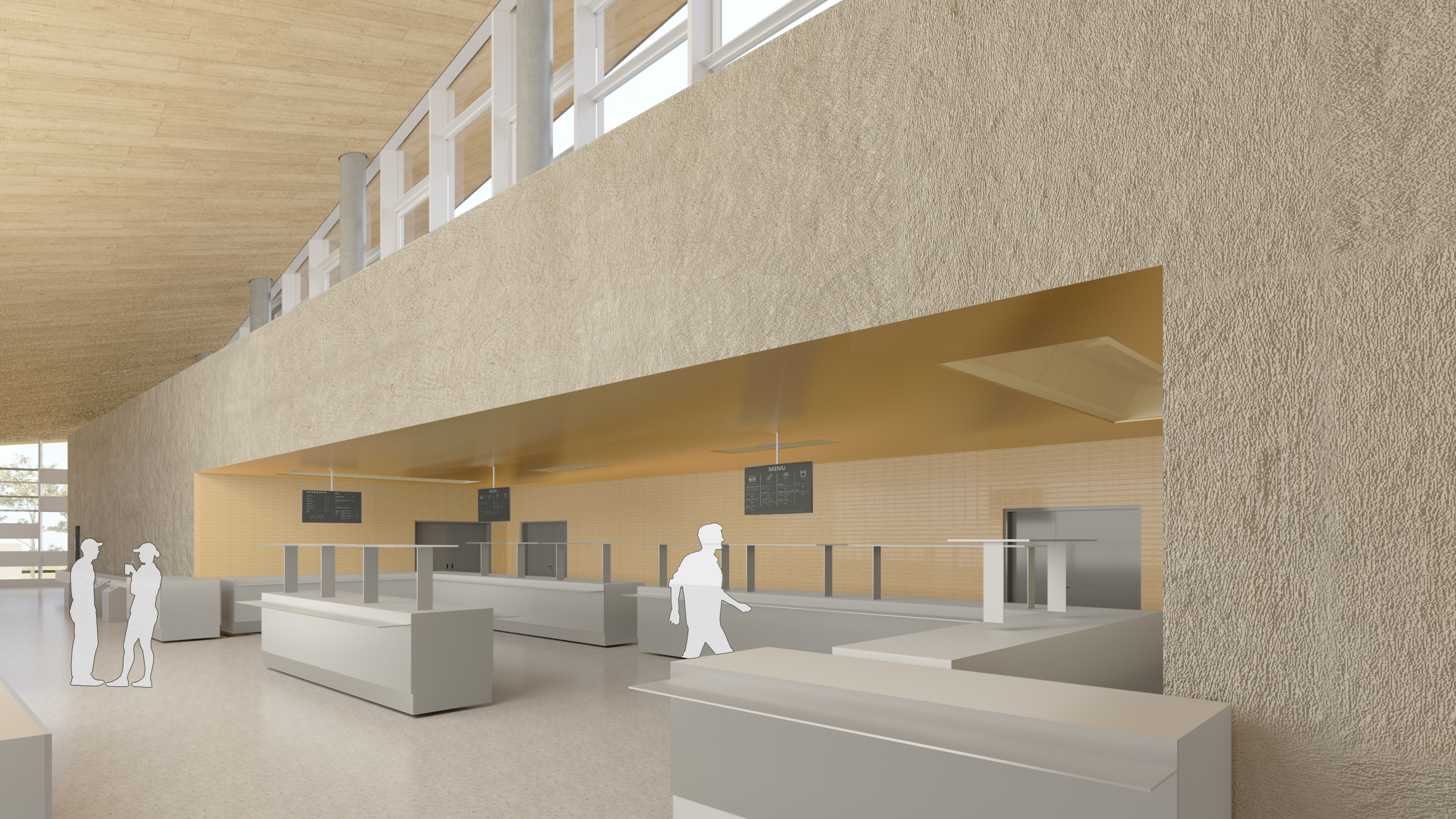
Bands of light separate the ceilings of the foyer and canteen from the kitchen, enhancing the impression that they float while allowing ample daylight to penetrate the space, even from the north. The canteen’s cantilevered terrace reinforces the building’s horizontal composition, extending from the courtyard to wrap around the dining area like a contour line. Parts of the lower level beneath are integrated into the slope, visually linking with the landscaped outdoor stair and accommodating the delivery area, storerooms, changing rooms, as well as the technical building services. The arrangement ensures a separation of user flows, thereby establishing the ideal conditions for implementing food safety protocols necessary for operating a large-scale kitchen.


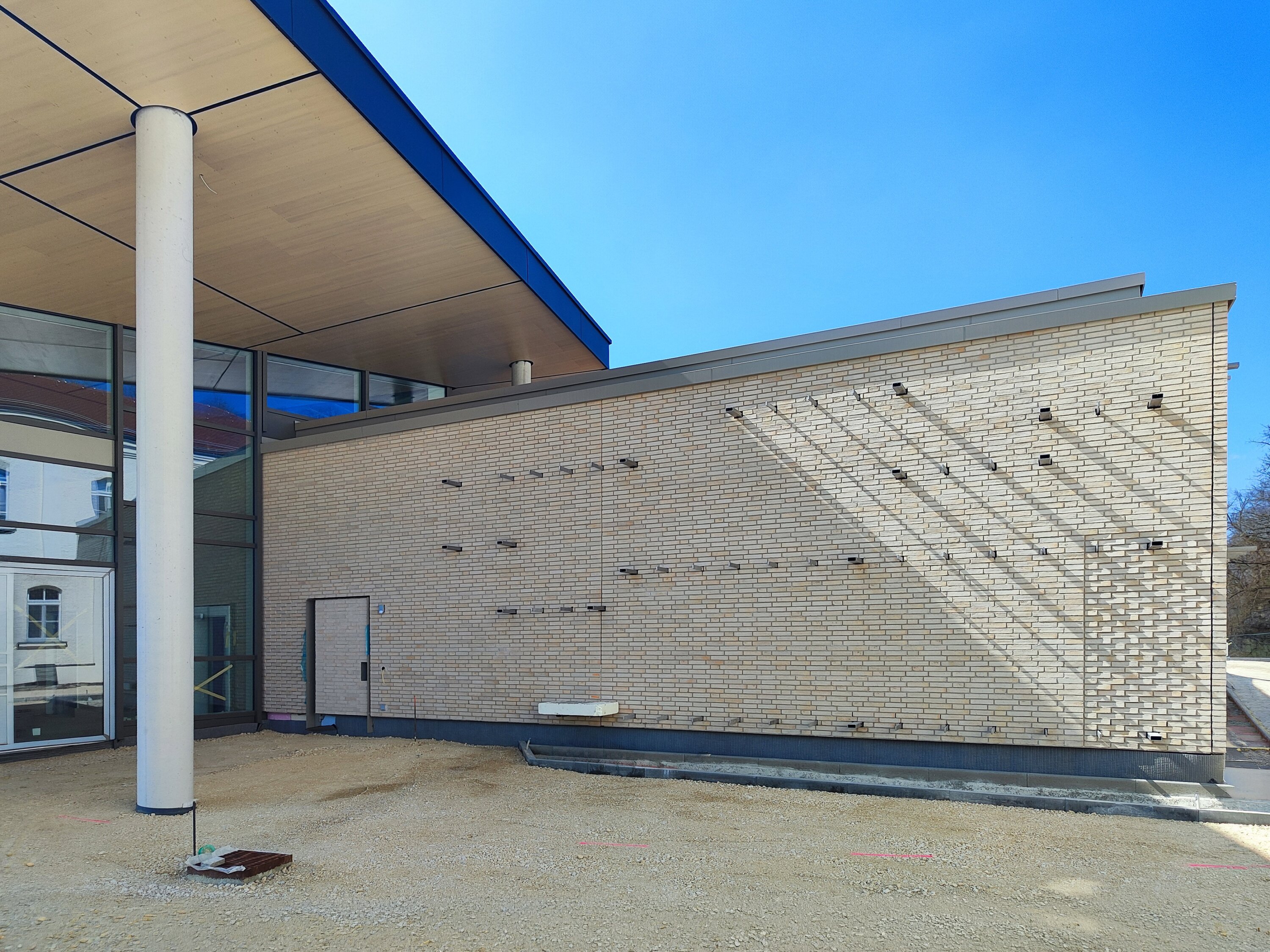
The foyer and canteen feature photovoltaic roofs. Seeding herbs and other plants on the kitchen’s biodiverse roof provides both habitat and a food source for bees and insects. A greened clinker facade complements the kitchen wing to blend with its strict geometry. The construction follows a resource-efficient, purpose-driven approach: a hybrid steel-and-timber structure spans the wide canteen.



cafeteria