
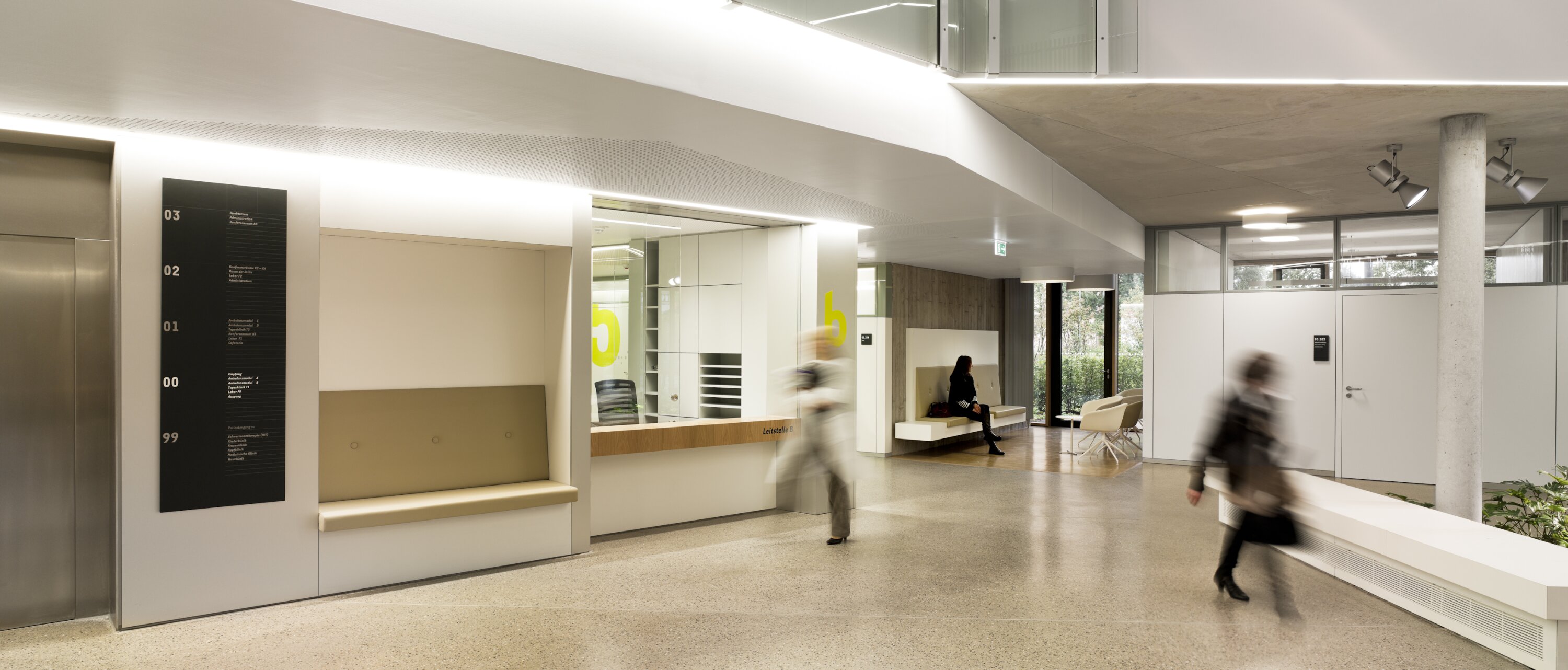


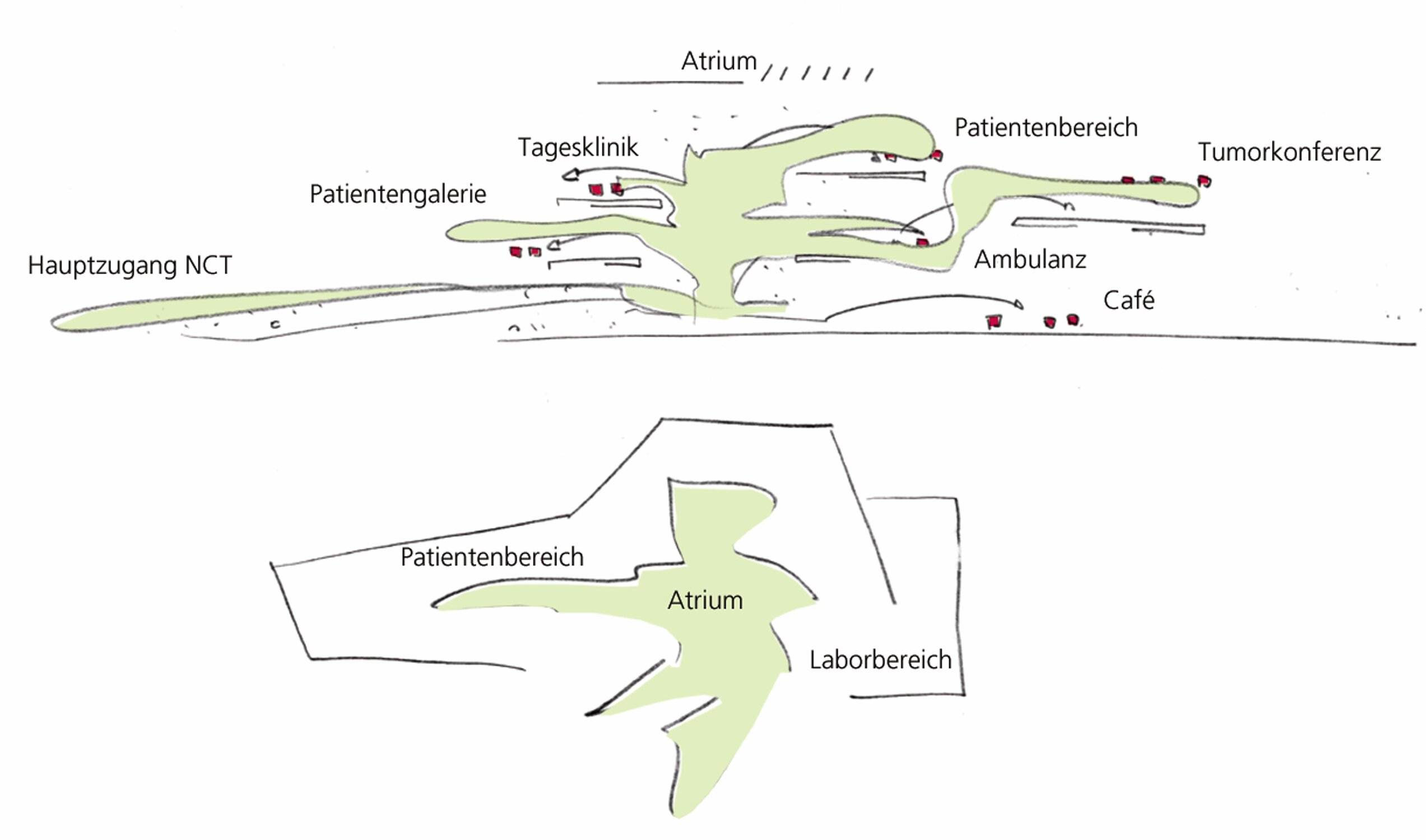
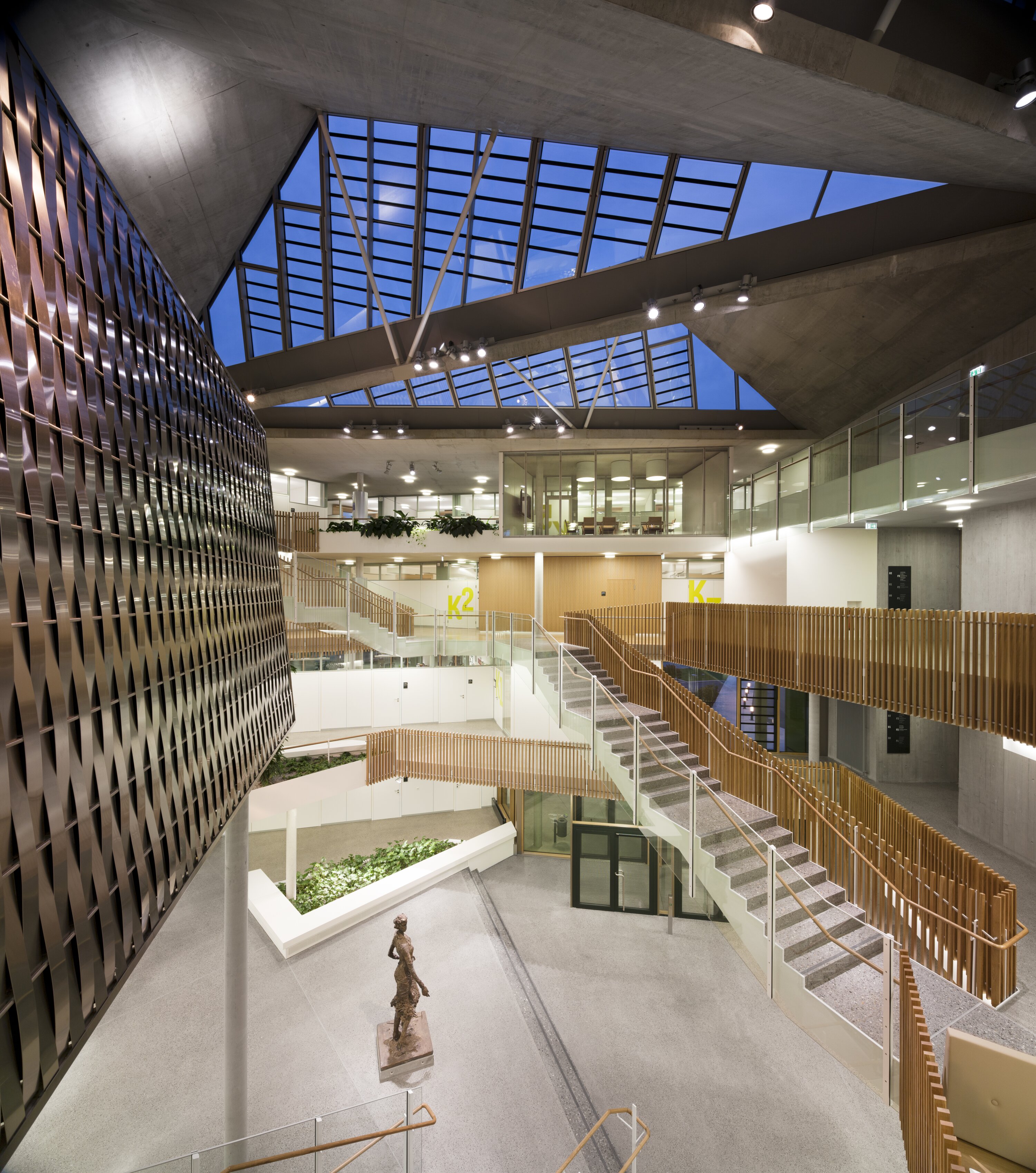
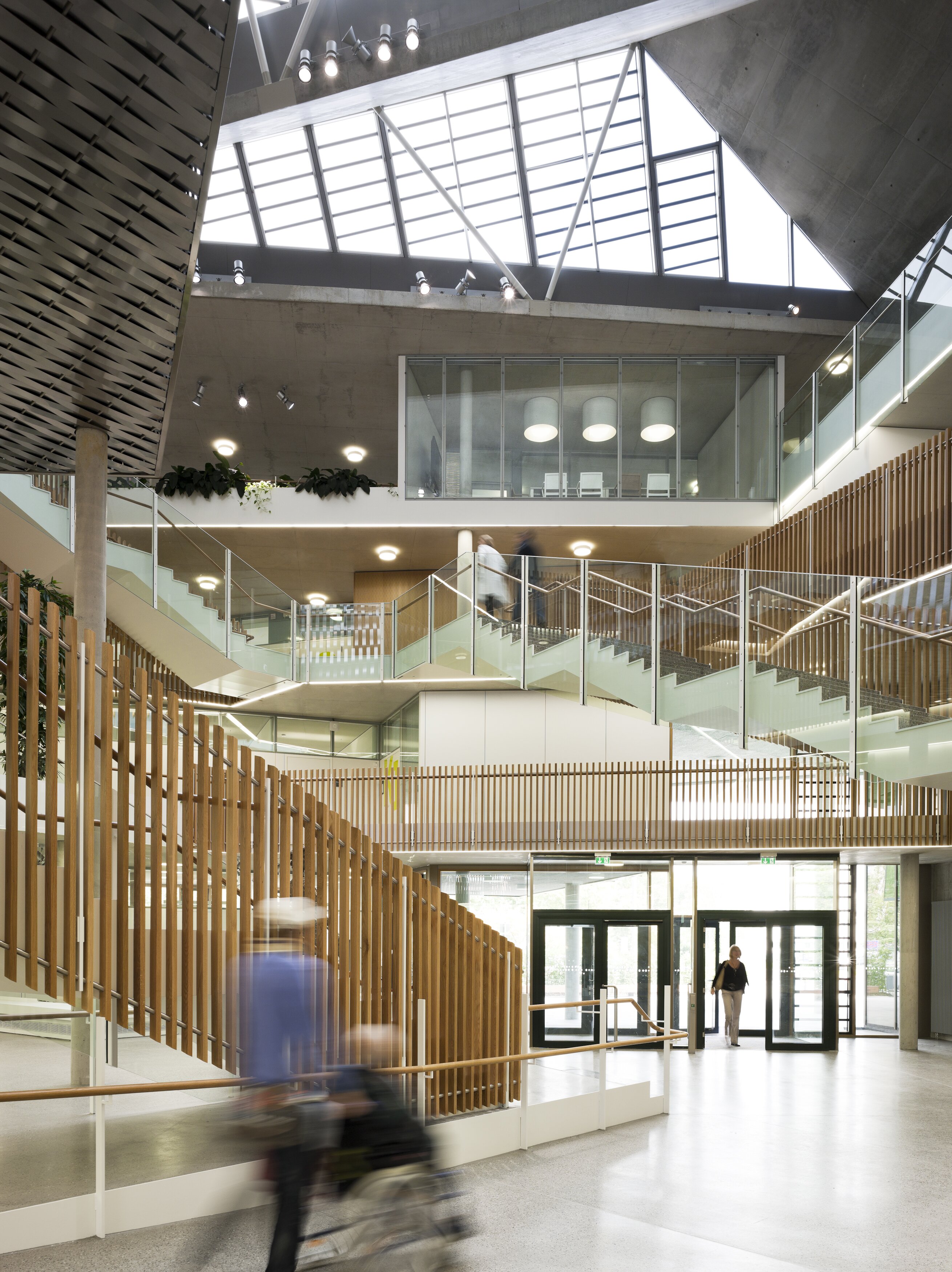
The NCT is characterized by the close integration of hospital and research activities, enabling scientific findings to be quickly applied and closely monitored. The building translates this knowledge transfer into an architectural form intended to serve as a model for similar facilities in the future. At the heart of the new complex lies the central atrium. Spanning four floors and filled with natural light, it serves as a vibrant space for interaction and exchange among medical staff, researchers, patients and visitors.


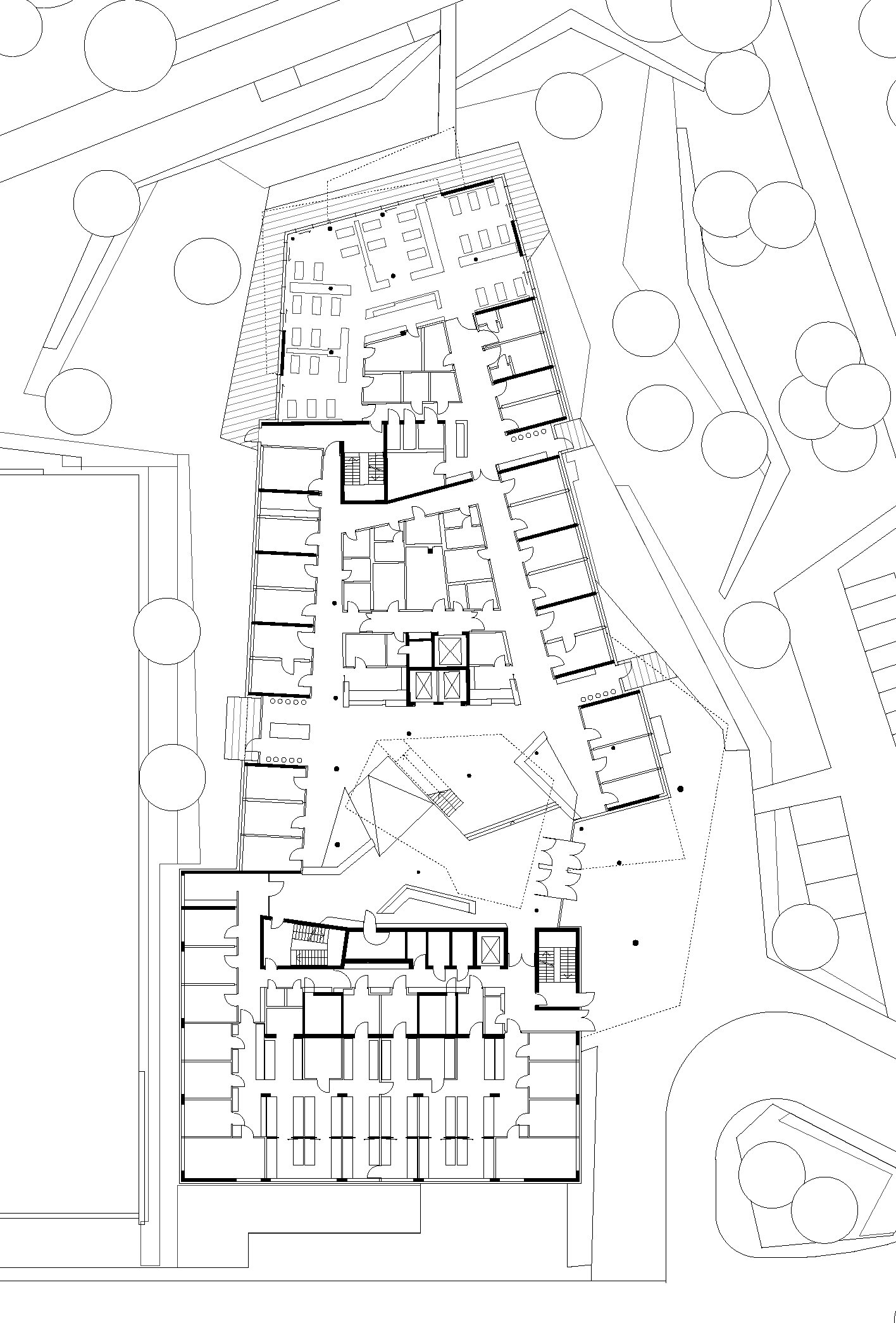
Level 1
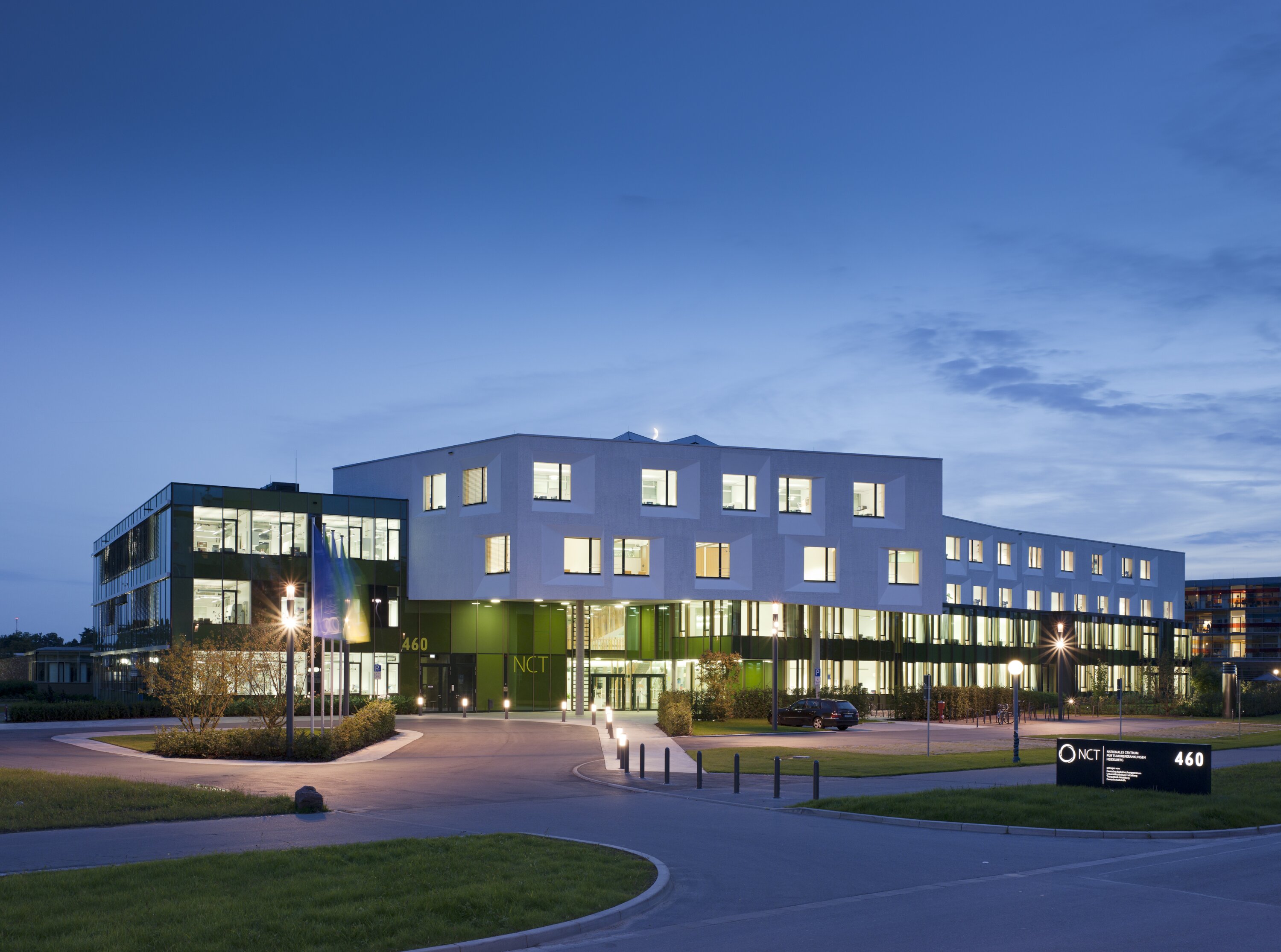
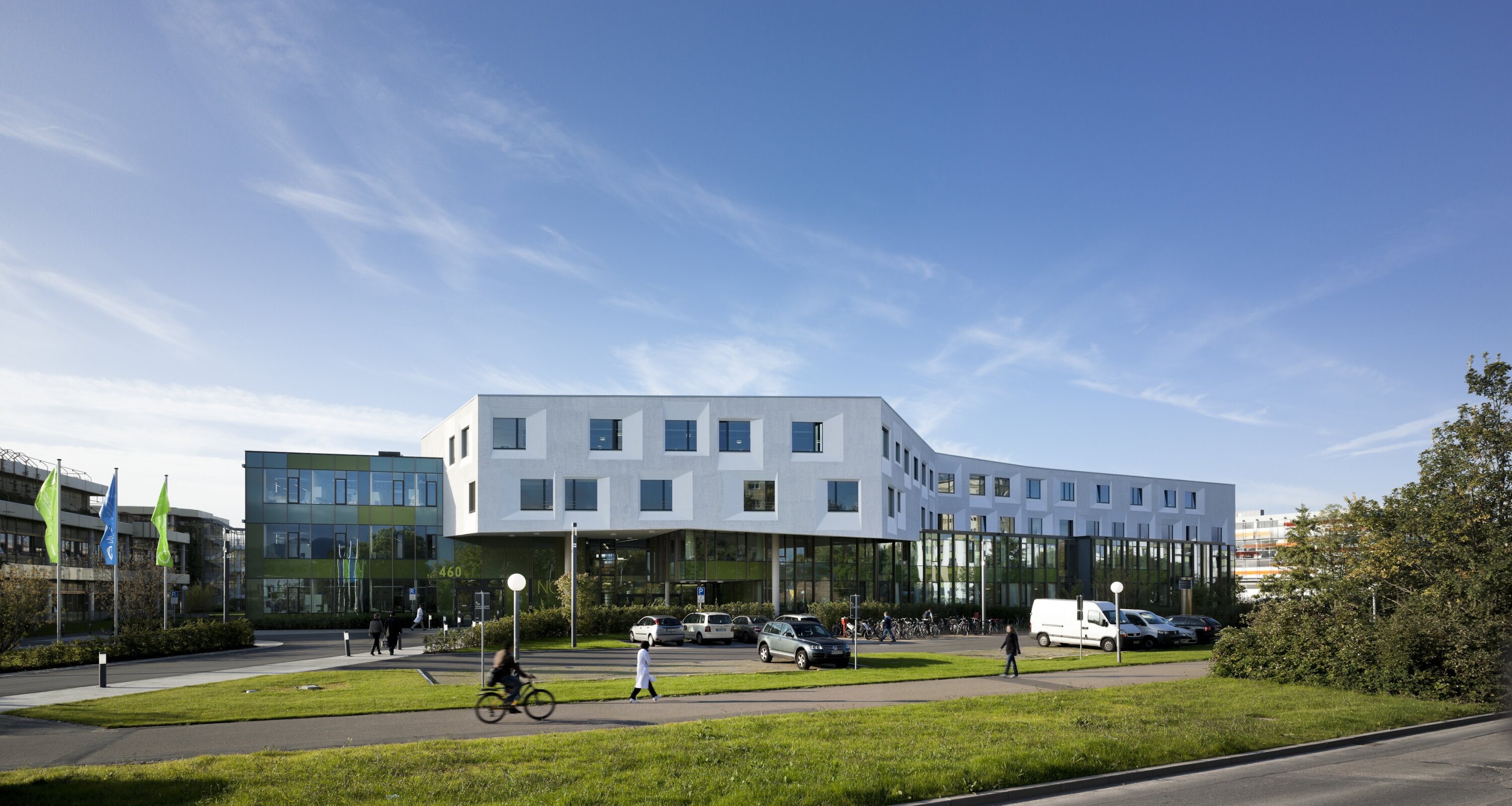
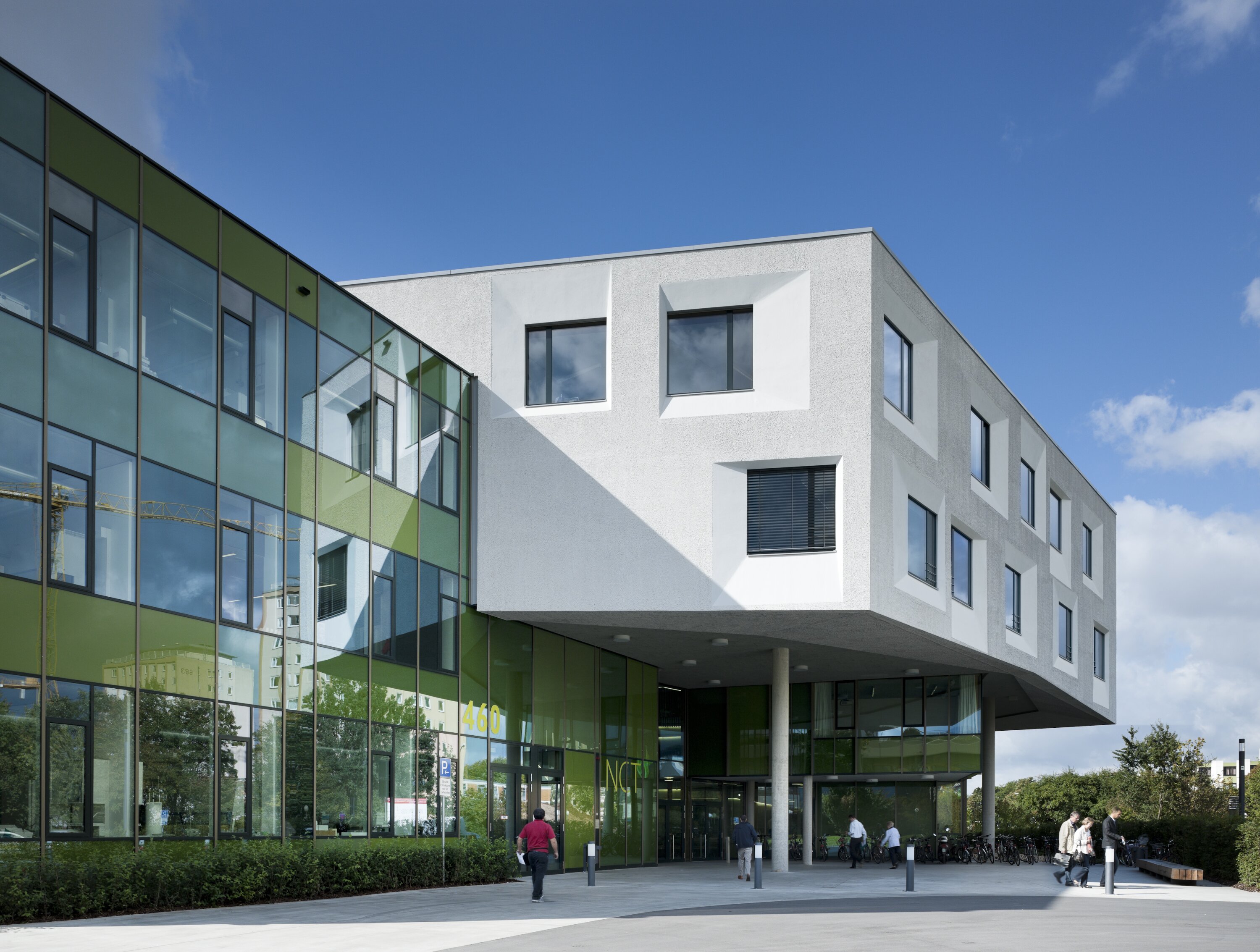
The NCT building, inaugurated in 2010, houses a combination of interdisciplinary medical care and clinically oriented cancer research under one roof, creating a space where patients, doctors, and scientists can mingle and meet. Despite its strict functional requirements, the existing complex diverges significantly from a traditional hospital building. Avoiding a rigid grid structure, the design—down to the smallest detail—conveys a quiet sense of confidence.
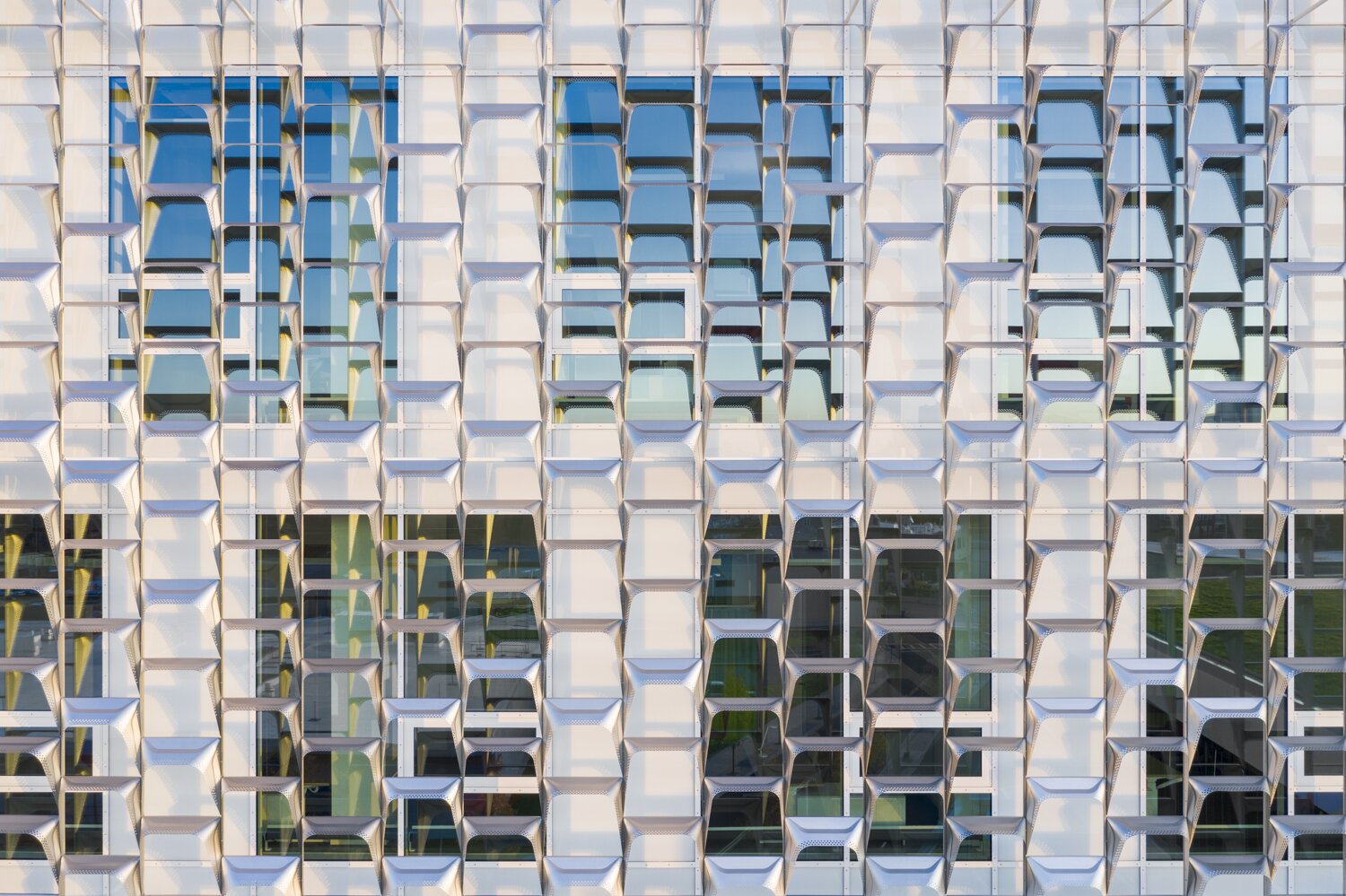
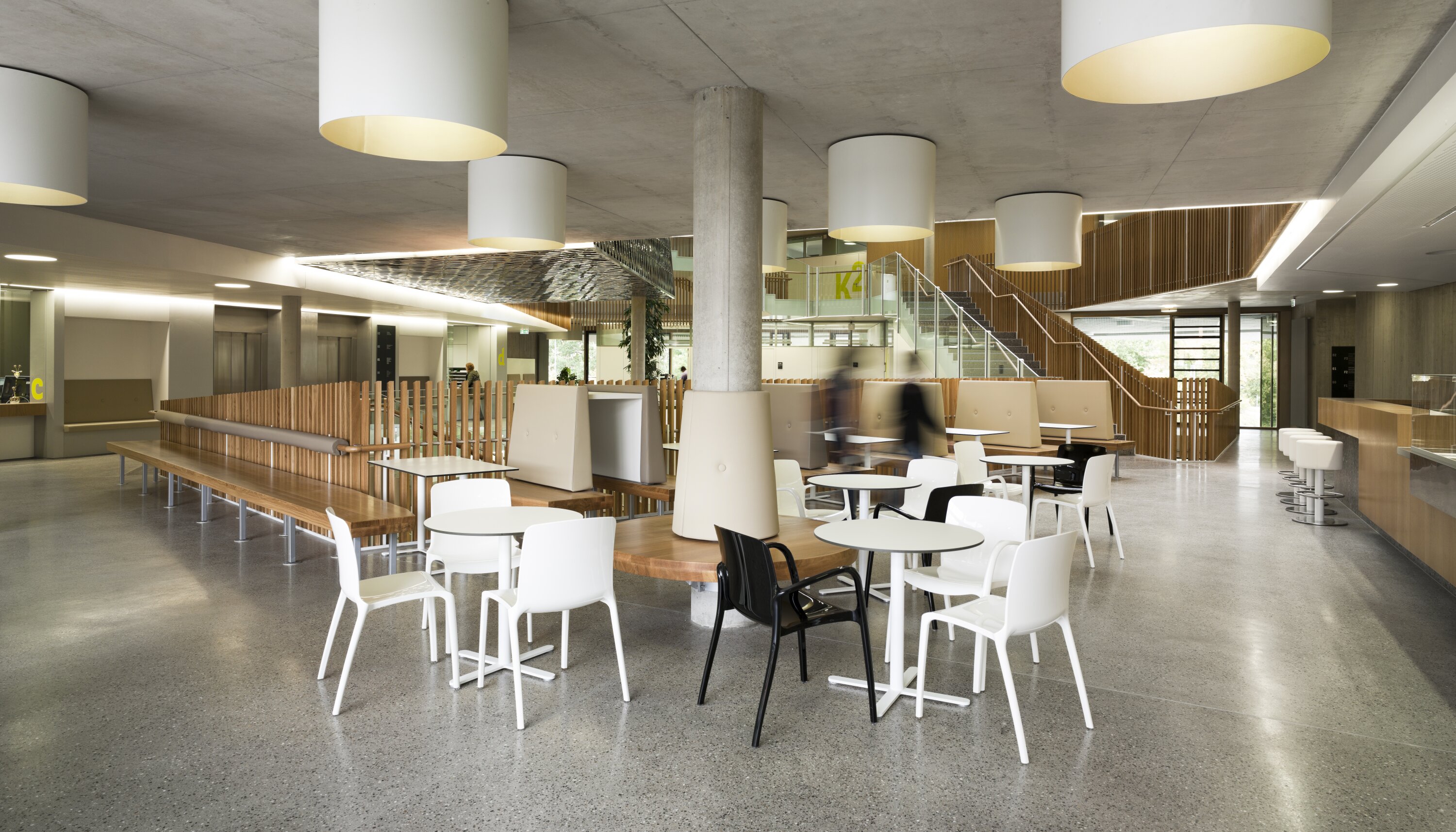
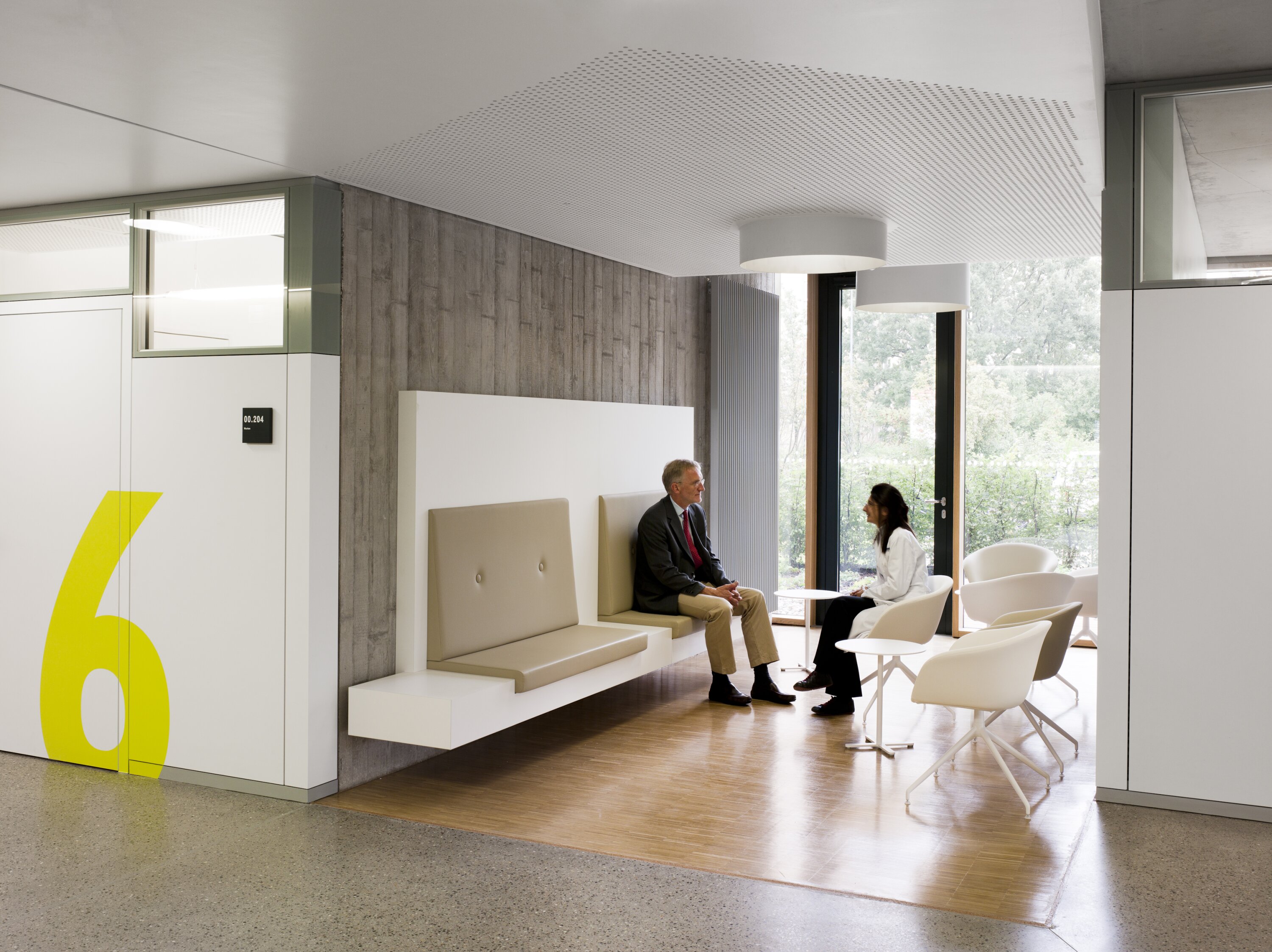
The building’s footprint is shaped by its context: the eastern wing aligns with the orthogonal geometry of the existing clinic, rising over three floors that contain lab spaces, while the western section tapers in plan, following the curve of the adjacent road. Here, day clinic programs are located, featuring comfort-oriented niches whose interior design with soft colors and materials creates a welcoming environment. Above, a two-story, polygonal volume cantilevers over the north entrance and western edge of the building. Accommodating consultancy suites, conference rooms, and offices for both research and clinical staff, this structure serves as a defining element that ties the building together.



- Client
- Deutsche Krebshilfe e.v. / Dr. Mildred Scheel Stiftung
- Architects
- Behnisch Architekten
- Address
- Gross Area
13.120 qm / 141,220 sq.ft.
- Gross Volume
55.860 cbm / 601,280 cu.ft.
- Photography
Adam Mørk
- Awards
2010 Beispielhaftes Bauen Heidelberg 2003 – 2010
2011 Barcelona World Architecture Festival Award, shortlisted
2011 WAN Award Healthcare Sector- Downloads
-
Download PDF

Energy Section
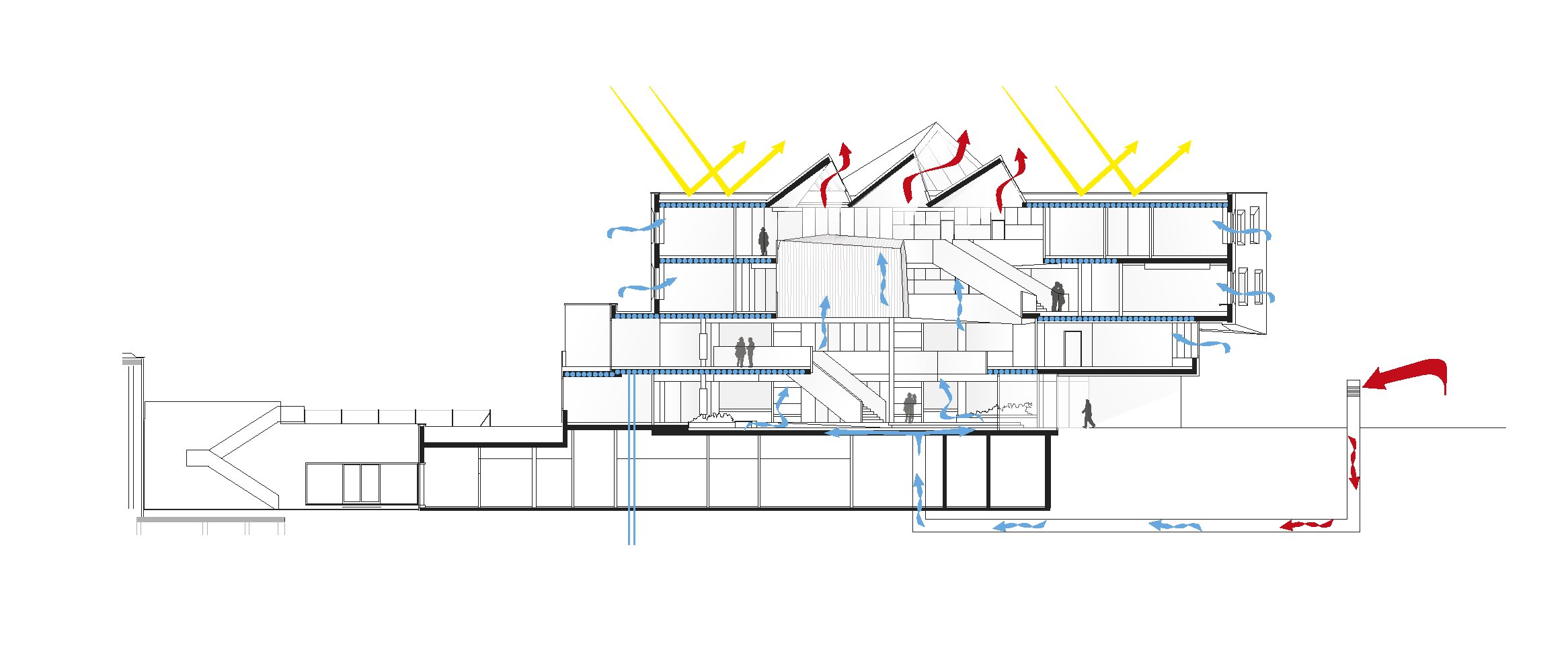
The building meets advanced standards for energy efficiency and is integrated into the existing supply infrastructure of the campus clinics. Rainwater collected around the building is filtered before it enters the groundwater. The selective use of air condition, combined with activated slabs, optimizes both installation and operating costs.

The building conforms to state-of-the-art requirements for an energetically optimized building and is connected to the existing supply chain of the clinics on the campus.