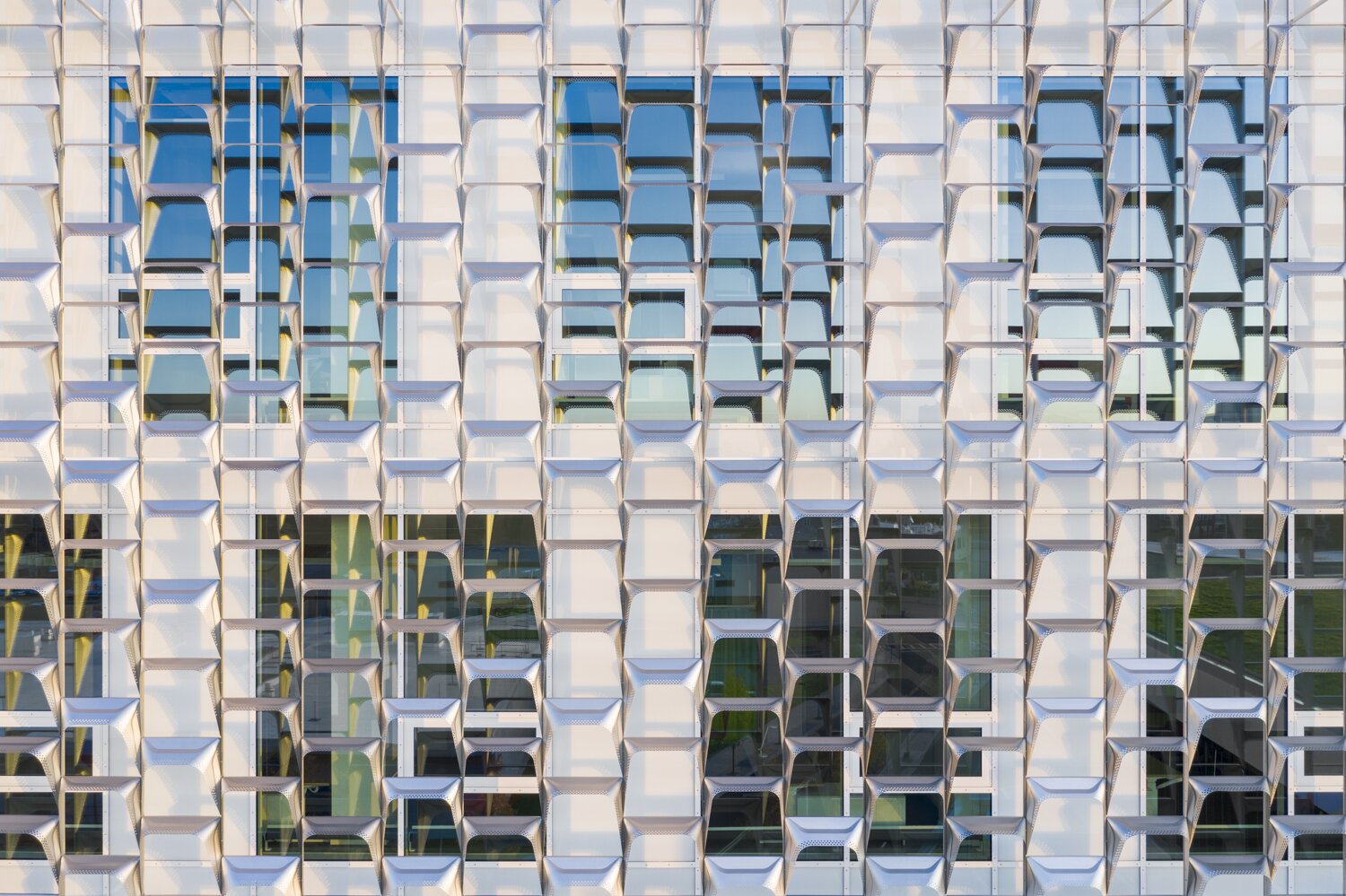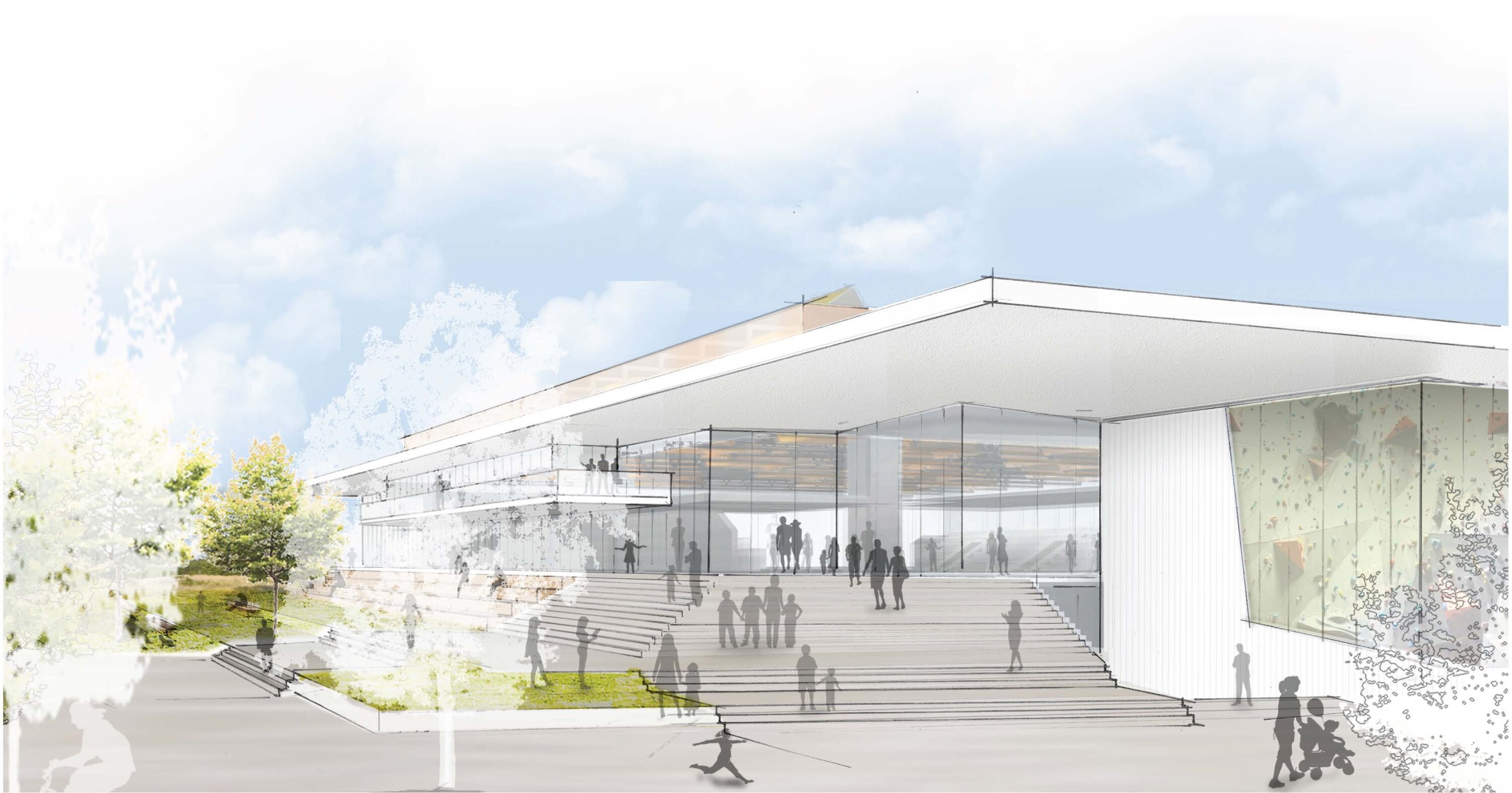
The result is a flexible, sustainable sports complex that balances large-scale functionality with sensitivity to its landscape setting.
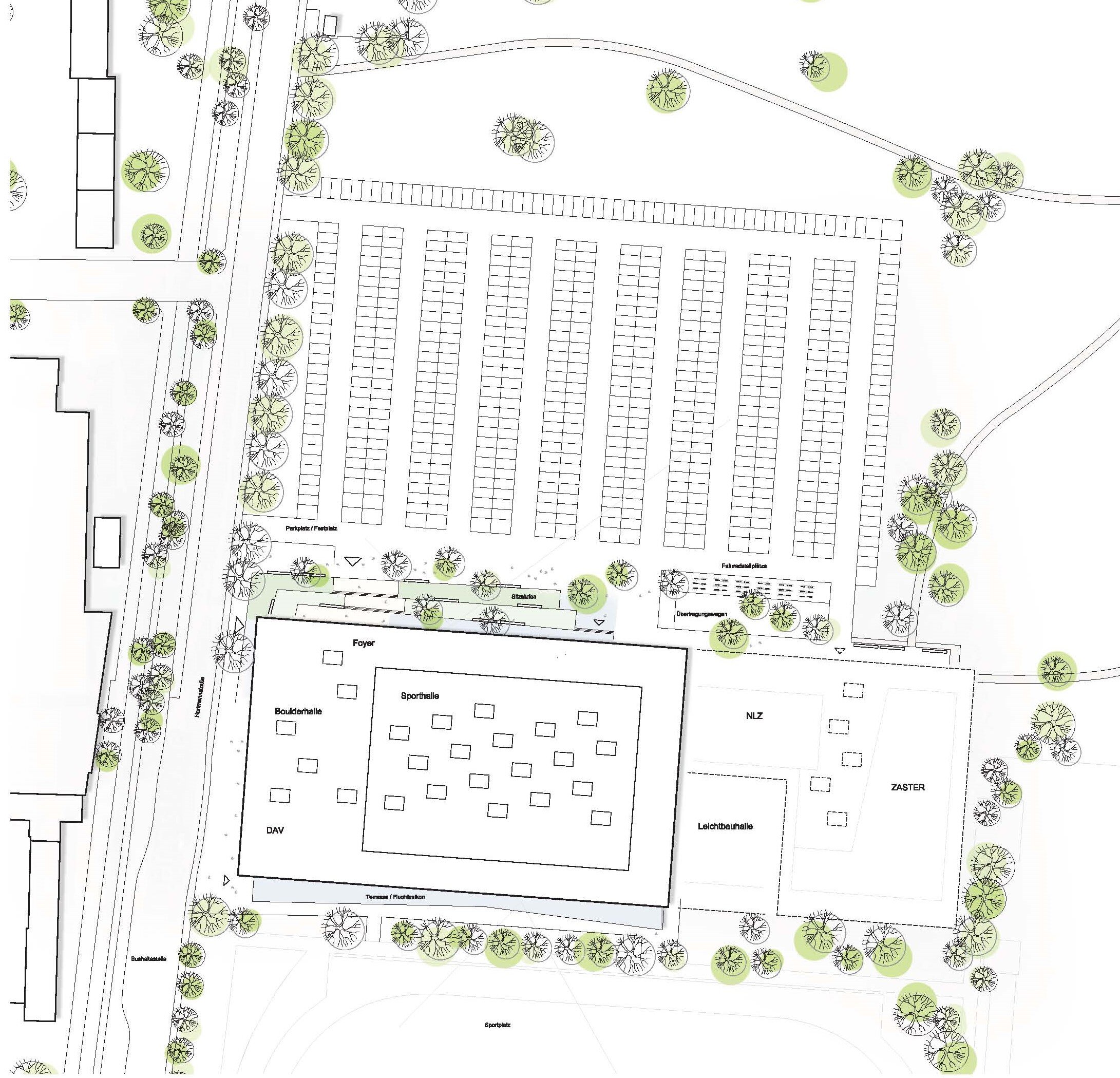
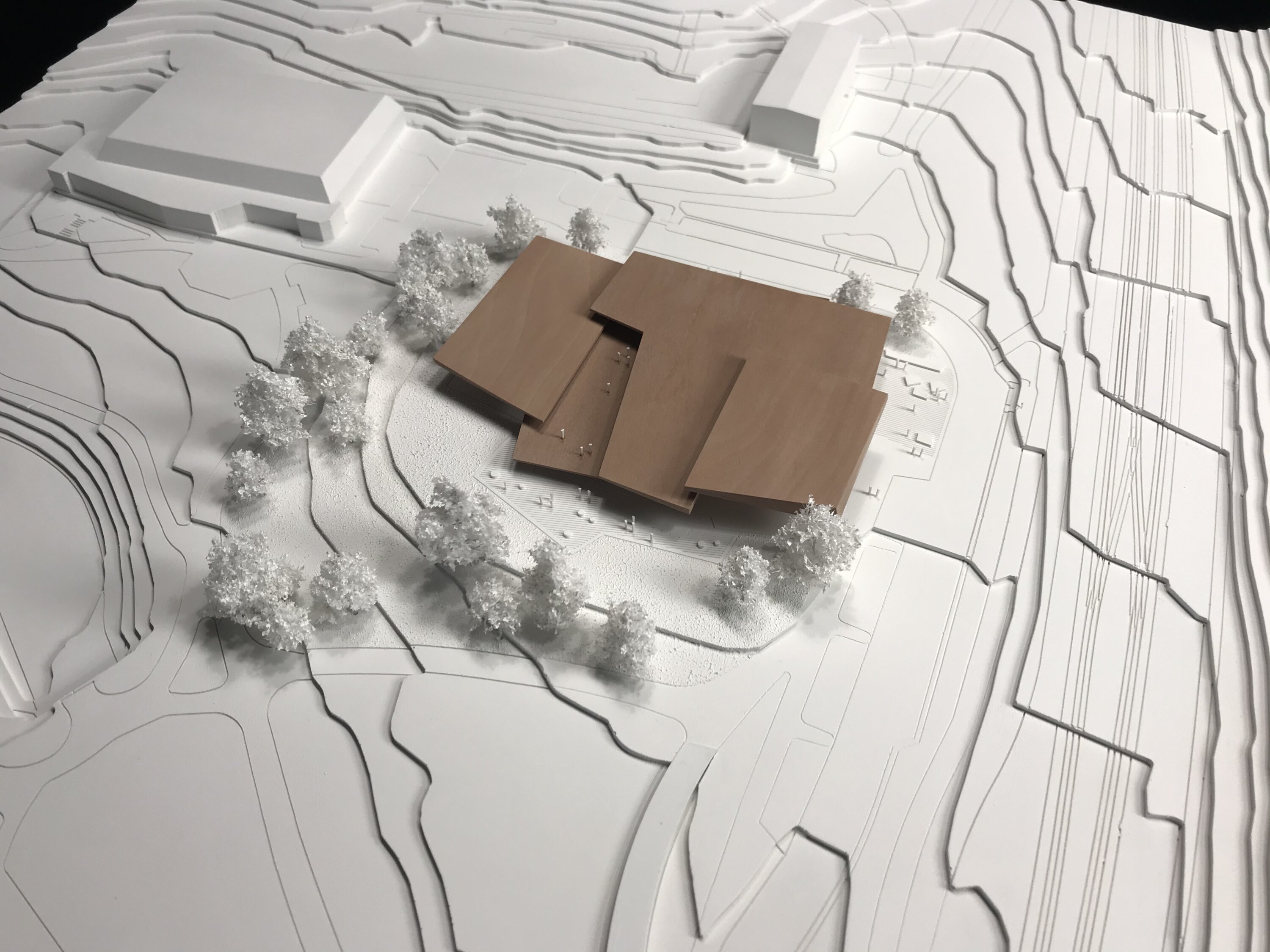
Located at the edge of Röthelheimpark, the project integrates a large-scale sports hall, additional indoor sports areas, and future research institutes into a cohesive ensemble. The hall serves school and club sports as well as major events, while adjacent institutes support sports science research.
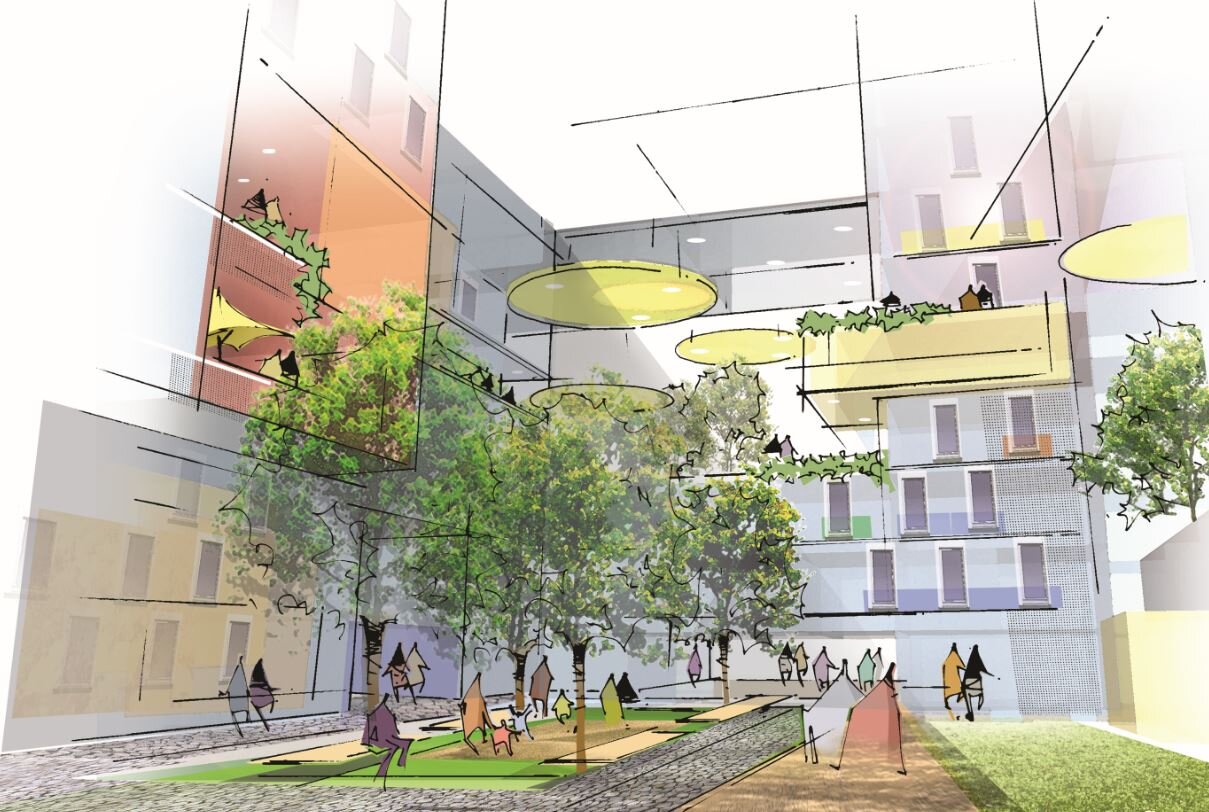
Given the open, landscape-dominated surroundings, the design avoids a monolithic structure and instead organizes functions into interconnected volumes. Horizontal layers and articulated facades break down the building mass, creating entrances, terraces, and sheltered outdoor spaces. The main hall forms the core, complemented by a bouldering hall and future institute buildings arranged around a flexible courtyard.
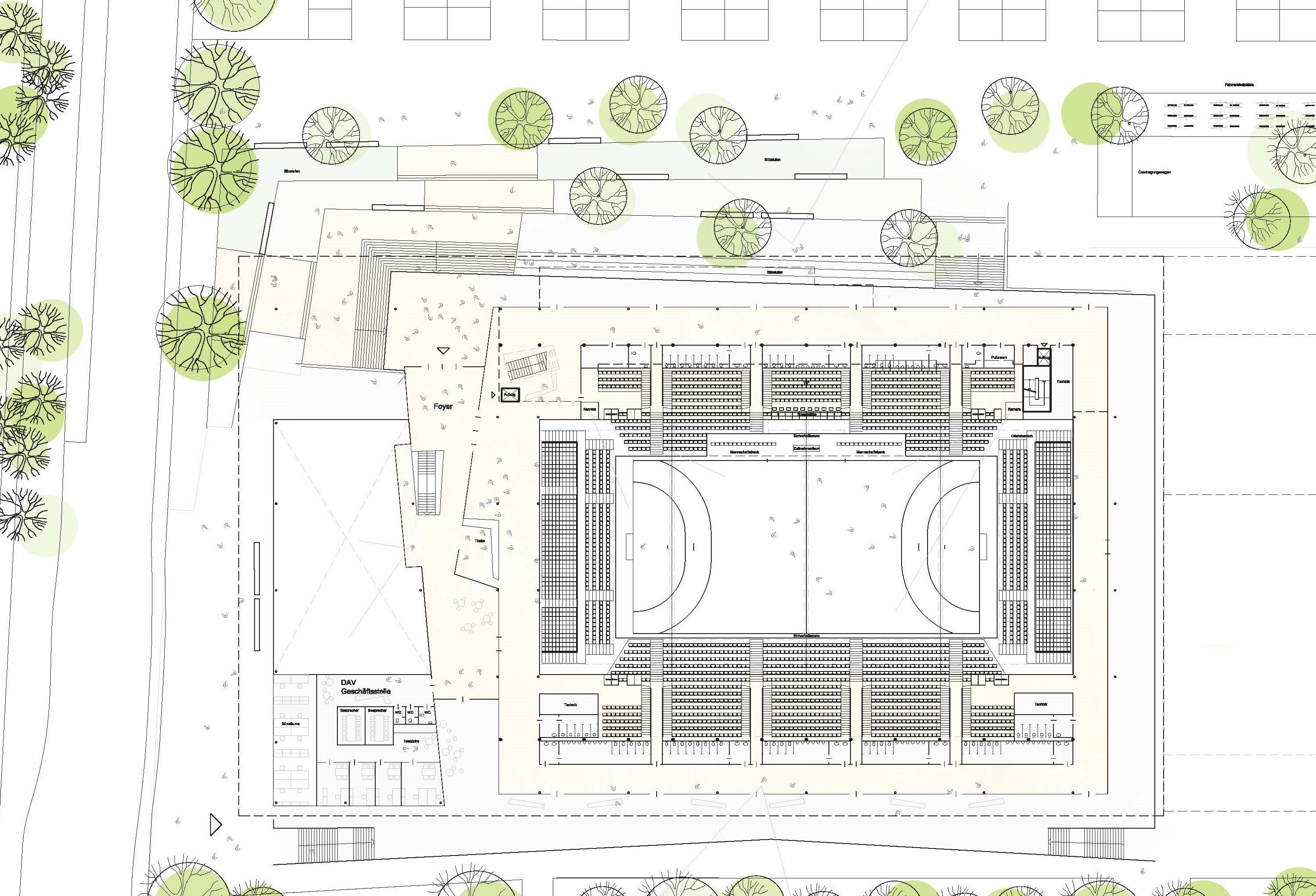
floorplan level 0
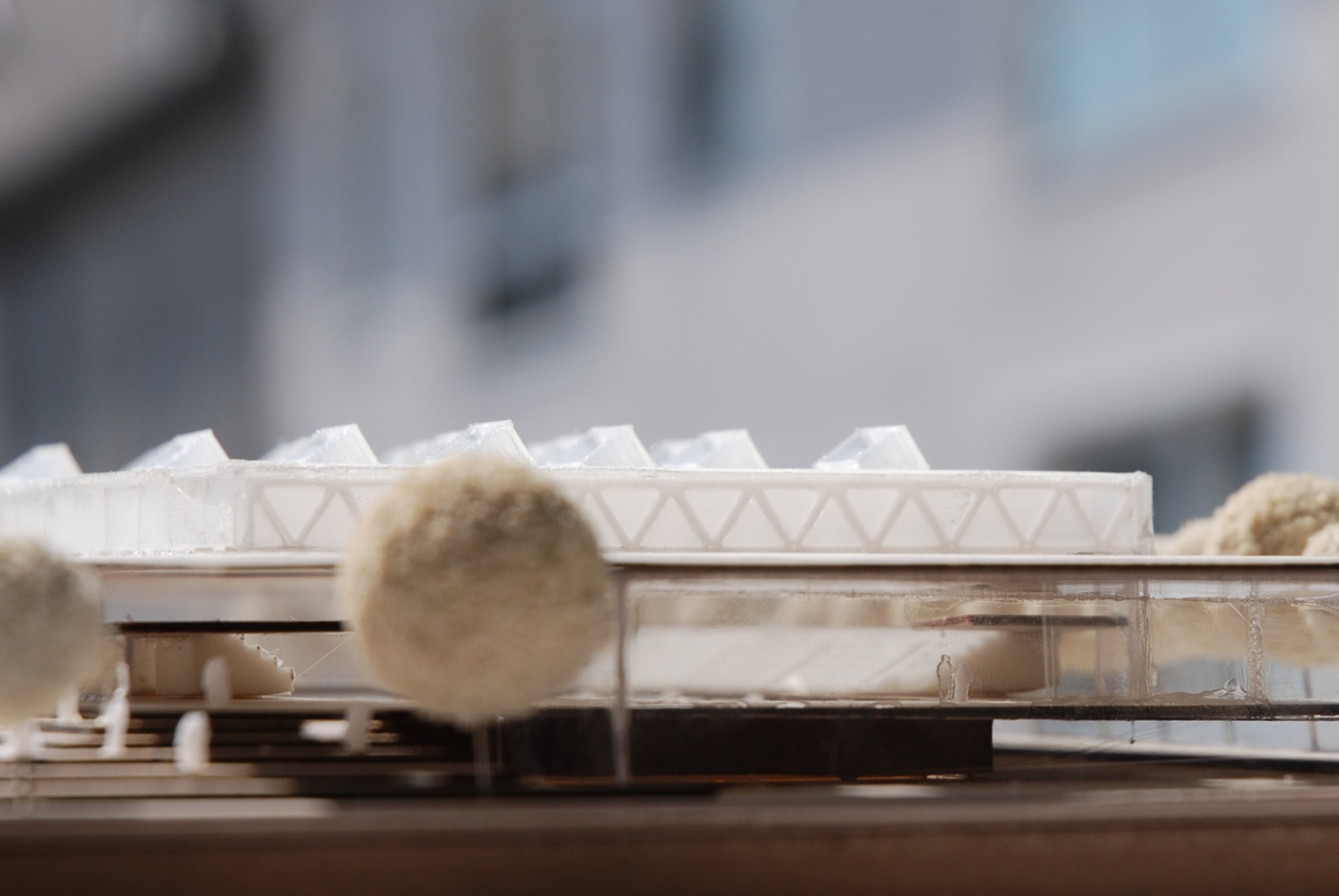
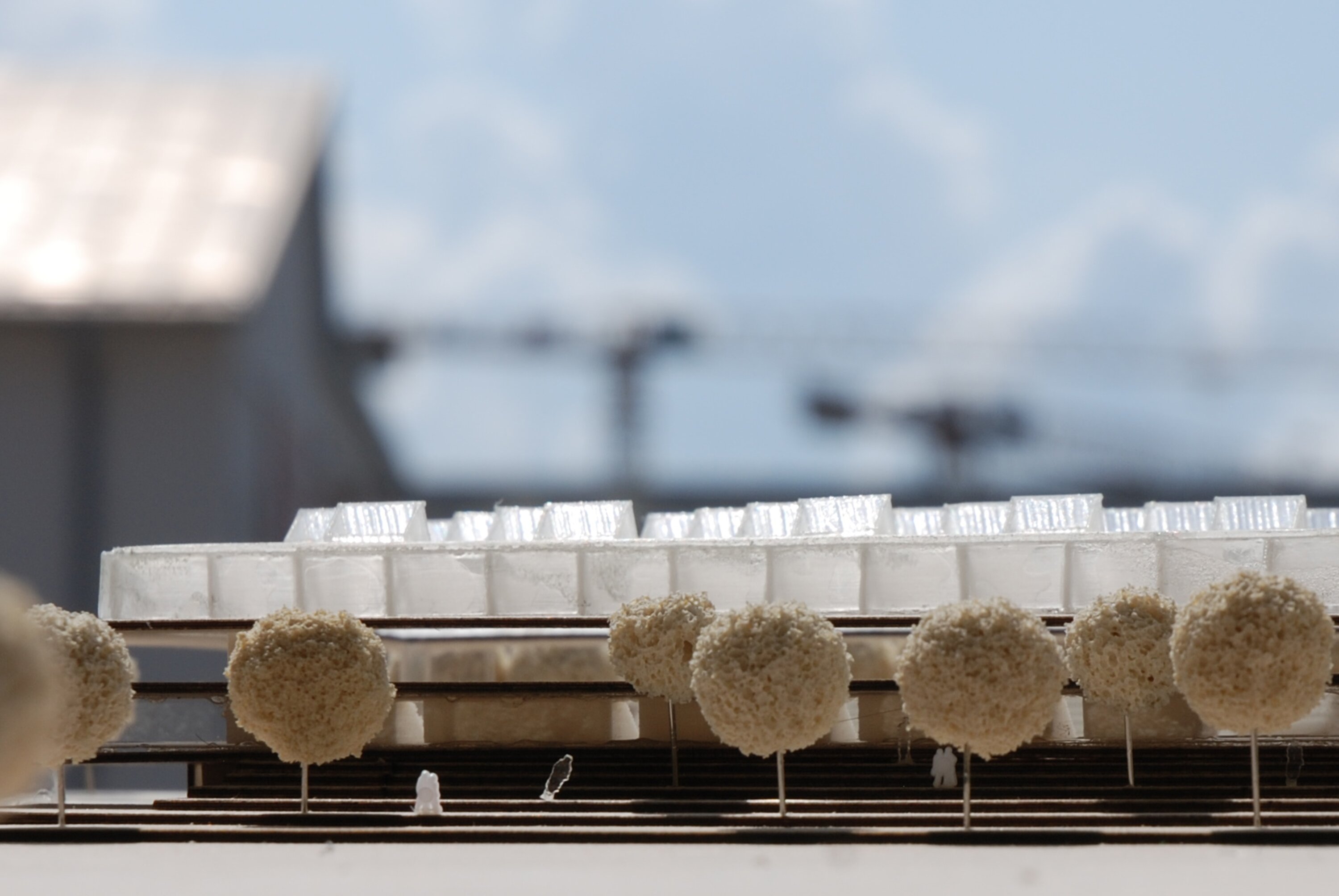
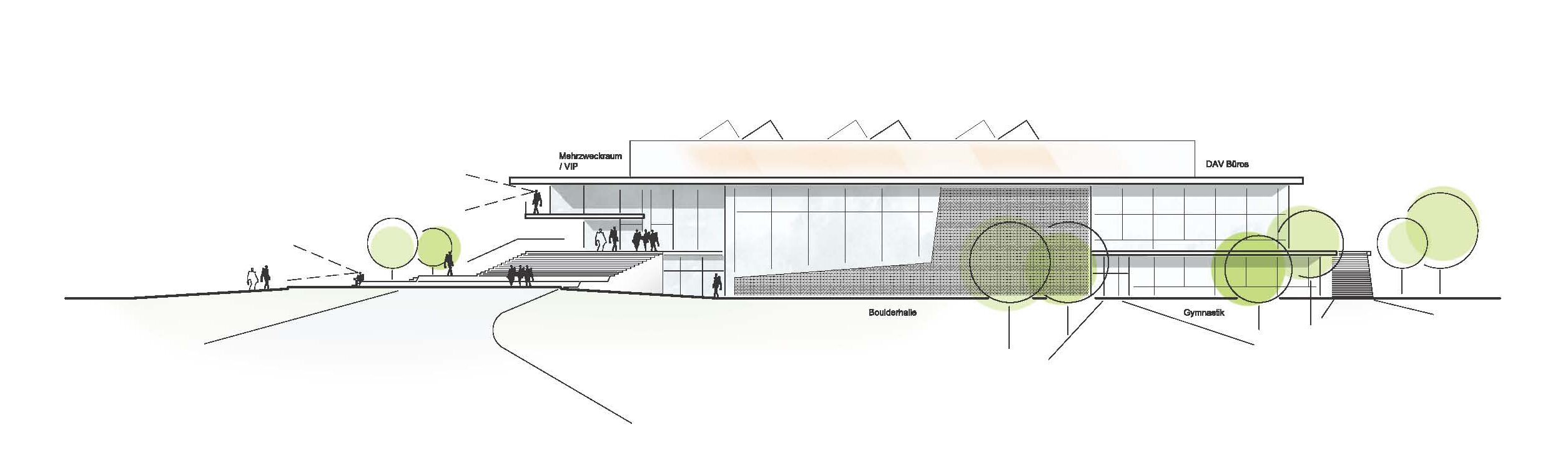
The main entrance is positioned in the northwest, accessible from both the street and parking areas via a generous external staircase leading to the central foyer. From here, visitors access spectator areas, sports facilities, and secondary functions. A multifunctional hall and VIP areas are located on the upper level, while changing rooms and service spaces are efficiently arranged at ground level.
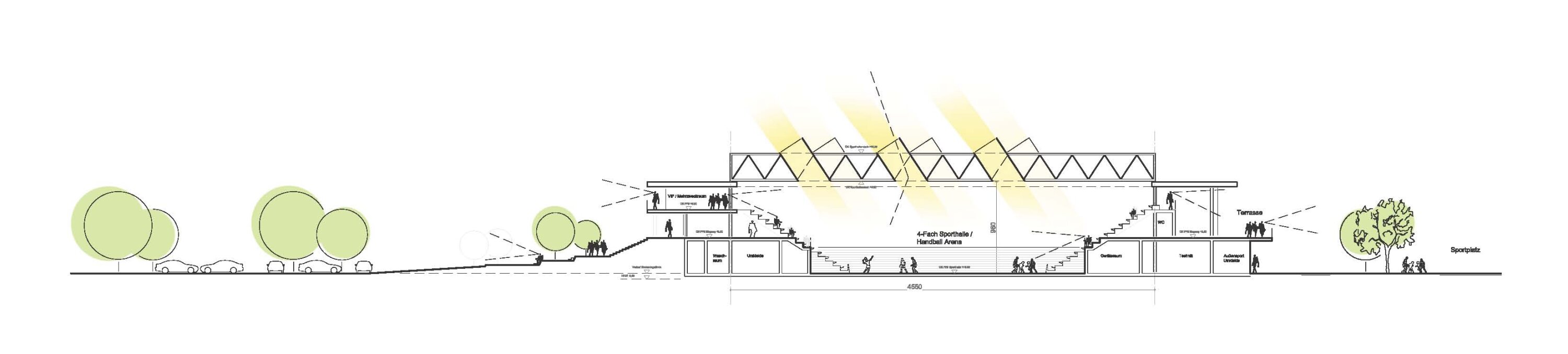
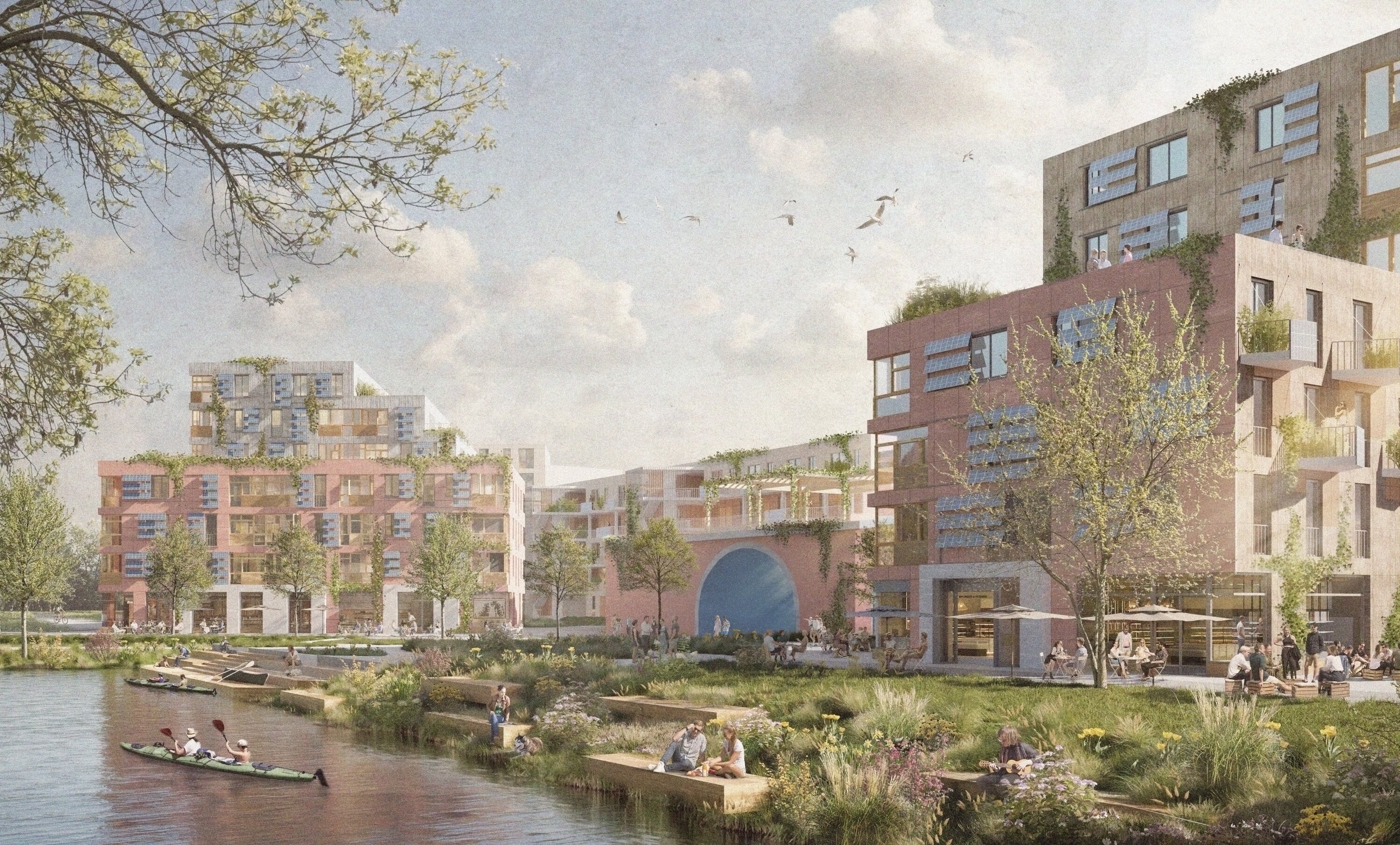
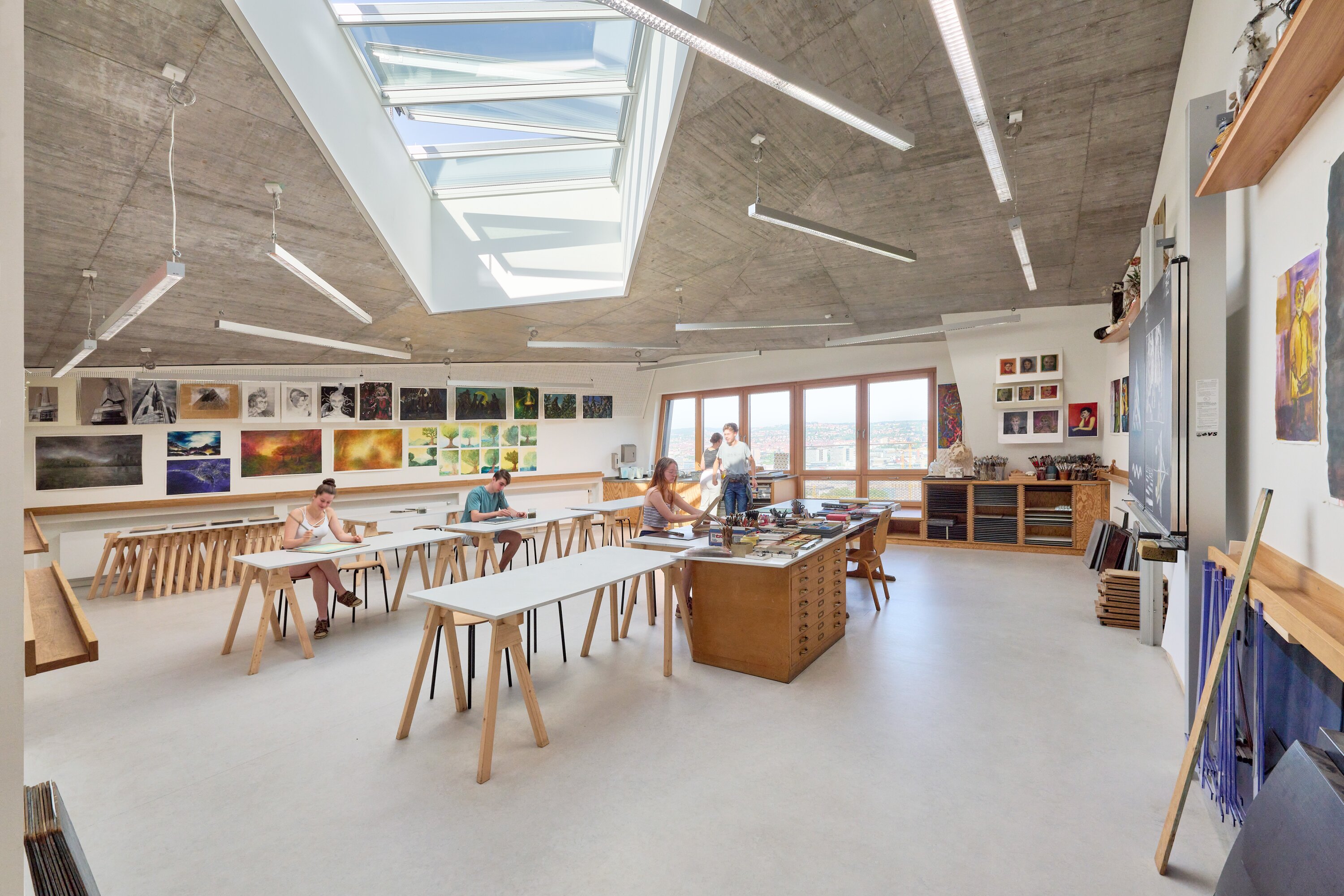
Outdoor areas are carefully integrated into the existing landscape, preserving mature trees and extending the character of the adjacent nature reserve. A large open space to the north accommodates parking and event use, supporting flexible activities and visitor flows. The structural concept is based on a reinforced concrete skeleton with large-span timber trusses over the main hall, enabling column-free spaces. The energy concept combines passive and active strategies, including optimized daylighting, natural ventilation, district heating, and demand-based ventilation for event scenarios.
- Client
- Stadt Erlangen (1st construction phase) Fraunhofer Institut, Friedrich-Alexander-Universität (2nd construction phase)
- Architects
- Behnisch Architekturbüro
- Address
Hartmannstrasse
91058 Erlangen
Germany- Competition
2014, 1st prize
- Downloads
-
Download PDF